

|
In this bonus episode of The Editing Podcast, Denise and Louise chat about 10 things an author needs to tell an editor about so that both parties can work out whether they're a good fit.
Listen here ...
Find out more about ...
Mentioned in the show
Music credit ‘Vivacity’ Kevin MacLeod (incompetech.com). Licensed under Creative Commons: By Attribution 3.0 License.
Louise Harnby is a line editor, copyeditor and proofreader who specializes in working with crime, mystery, suspense and thriller writers.
She is an Advanced Professional Member of the Chartered Institute of Editing and Proofreading (CIEP), a member of ACES, a Partner Member of The Alliance of Independent Authors (ALLi), and co-hosts The Editing Podcast. Visit her business website at Louise Harnby | Fiction Editor & Proofreader, say hello on Twitter at @LouiseHarnby, connect via Facebook and LinkedIn, and check out her books and courses.
0 Comments
In this episode of The Editing Podcast, Denise and Louise talk to Laura Poole about the importance of fact checking.
Listen here ...
Find out more about
Related links and resources
Music credit ‘Vivacity’ Kevin MacLeod (incompetech.com). Licensed under Creative Commons: By Attribution 3.0 License http://creativecommons.org/licenses/by/3.0/
Louise Harnby is a line editor, copyeditor and proofreader who specializes in working with crime, mystery, suspense and thriller writers.
She is an Advanced Professional Member of the Chartered Institute of Editing and Proofreading (CIEP), a member of ACES, a Partner Member of The Alliance of Independent Authors (ALLi), and co-hosts The Editing Podcast. Visit her business website at Louise Harnby | Fiction Editor & Proofreader, say hello on Twitter at @LouiseHarnby, connect via Facebook and LinkedIn, and check out her books and courses.
In this bonus episode of The Editing Podcast, Denise and Louise talk to editor Maya Berger about editing erotica.
Listen here ...
Summary
Find out more about:
Related links and resources
Music credit ‘Vivacity’ Kevin MacLeod (incompetech.com). Licensed under Creative Commons: By Attribution 3.0 License http://creativecommons.org/licenses/by/3.0/
Louise Harnby is a line editor, copyeditor and proofreader who specializes in working with crime, mystery, suspense and thriller writers.
She is an Advanced Professional Member of the Chartered Institute of Editing and Proofreading (CIEP), a member of ACES, a Partner Member of The Alliance of Independent Authors (ALLi), and co-hosts The Editing Podcast. Visit her business website at Louise Harnby | Fiction Editor & Proofreader, say hello on Twitter at @LouiseHarnby, connect via Facebook and LinkedIn, and check out her books and courses.
Denise and Louise talk to Beth Hamer, a professional proofreader and the Chartered Institute of Editing and Proofreading (CIEP) conference director. Beth chats about how to organize a successful editorial conference.
Summary Find out more about:
Music credit ‘Vivacity’ Kevin MacLeod (incompetech.com). Licensed under Creative Commons: By Attribution 3.0 License http://creativecommons.org/licenses/by/3.0/
Louise Harnby is a line editor, copyeditor and proofreader who specializes in working with crime, mystery, suspense and thriller writers.
She is an Advanced Professional Member of the Chartered Institute of Editing and Proofreading (CIEP), a member of ACES, a Partner Member of The Alliance of Independent Authors (ALLi), and co-hosts The Editing Podcast. Visit her business website at Louise Harnby | Fiction Editor & Proofreader, say hello on Twitter at @LouiseHarnby, connect via Facebook and LinkedIn, and check out her books and courses.
Denise and Louise discuss how to use quote marks (or speech marks) in writing ... and when not to use them.
Click to listen to Season 2, Episode 10
Summary
Listen to find out more about:
Other resources
Music credit ‘Vivacity’ Kevin MacLeod (incompetech.com). Licensed under Creative Commons: By Attribution 3.0 License.
Louise Harnby is a line editor, copyeditor and proofreader who specializes in working with crime, mystery, suspense and thriller writers.
She is an Advanced Professional Member of the Chartered Institute of Editing and Proofreading (CIEP), a member of ACES, a Partner Member of The Alliance of Independent Authors (ALLi), and co-hosts The Editing Podcast. Visit her business website at Louise Harnby | Fiction Editor & Proofreader, say hello on Twitter at @LouiseHarnby, connect via Facebook and LinkedIn, and check out her books and courses.
Learn these top tips for writing and editing for the web with our Editing Podcast guest Erin Brenner.
|
|
|
Editing bites
- Editing in Word, 2nd Edition, by Adrienne Montgomerie
- How to Market a Book, by Joanna Penn
Other resources
- Review of Montgomerie’s Editing in Word, 2nd ed. by Louise Harnby (blog post)
- How to use styles (free tutorial)
- How to use styles (blog post)
- PerfectIt
- Formatting in Word: Find and Replace (booklet containing raw-text tidy-up tips)
- Proofreading checklist (free PDF booklet, available when you sign up to The Editorial Letter)
Music credit
‘Vivacity’ Kevin MacLeod (incompetech.com). Licensed under Creative Commons: By Attribution 3.0 License http://creativecommons.org/licenses/by/3.0/
Louise Harnby is a line editor, copyeditor and proofreader who specializes in working with crime, mystery, suspense and thriller writers.
She is an Advanced Professional Member of the Chartered Institute of Editing and Proofreading (CIEP), a member of ACES, a Partner Member of The Alliance of Independent Authors (ALLi), and co-hosts The Editing Podcast.
She is an Advanced Professional Member of the Chartered Institute of Editing and Proofreading (CIEP), a member of ACES, a Partner Member of The Alliance of Independent Authors (ALLi), and co-hosts The Editing Podcast.
- Get in touch: Louise Harnby | Fiction Editor & Proofreader
- Connect: Twitter at @LouiseHarnby, Facebook and LinkedIn
- Learn: Books and courses
- Discover: Resources for authors and editors
In this episode of The Editing Podcast, Denise and Louise discuss how long it takes to complete an edit – whether you’re doing it yourself or working with a professional – and how to plan ahead.
And check out the cheeky bloopers that Denise included of me messing up my words! I’ll get my revenge!
And check out the cheeky bloopers that Denise included of me messing up my words! I’ll get my revenge!
Click to listen to Episode 12
Summary of Episode 12
Listen to find out more about editing time in relation to:
Editing bites
Music credit
‘Vivacity’ Kevin MacLeod (incompetech.com). Licensed under Creative Commons: By Attribution 3.0 License http://creativecommons.org/licenses/by/3.0/
Listen to find out more about editing time in relation to:
- Word count
- Complexity of the project
- Level of editing being carried, including referencing, style-guide adherence and fact-checking
- Publishing imperfect written content
- Working with agents
- Collectives and agencies: fast turnaround, high quality
- The length of the editing day
- Scheduling editing in advance, and allowing time to deal with queries
Editing bites
- Self Publishing Journeys (podcast hosted by Paul Teague)
- ELT Teacher 2 Writer
Music credit
‘Vivacity’ Kevin MacLeod (incompetech.com). Licensed under Creative Commons: By Attribution 3.0 License http://creativecommons.org/licenses/by/3.0/
Louise Harnby is a line editor, copyeditor and proofreader who specializes in working with crime, mystery, suspense and thriller writers.
She is an Advanced Professional Member of the Chartered Institute of Editing and Proofreading (CIEP), a member of ACES, a Partner Member of The Alliance of Independent Authors (ALLi), and co-hosts The Editing Podcast.
Visit her business website at Louise Harnby | Fiction Editor & Proofreader, say hello on Twitter at @LouiseHarnby, connect via Facebook and LinkedIn, and check out her books and courses.
She is an Advanced Professional Member of the Chartered Institute of Editing and Proofreading (CIEP), a member of ACES, a Partner Member of The Alliance of Independent Authors (ALLi), and co-hosts The Editing Podcast.
Visit her business website at Louise Harnby | Fiction Editor & Proofreader, say hello on Twitter at @LouiseHarnby, connect via Facebook and LinkedIn, and check out her books and courses.
The Editing Podcast, Season 1, Episode 11: Does location matter when working with an editor?
1/4/2019
In this episode of The Editing Podcast, Denise and Louise discuss location and whether where your editor lives actually matters.
Click to listen to Episode 11
Summary of Episode 11
Listen to find out more about:
Editing bites
Music credit
‘Vivacity’ Kevin MacLeod (incompetech.com). Licensed under Creative Commons: By Attribution 3.0 License http://creativecommons.org/licenses/by/3.0/
Listen to find out more about:
- Local, regional and national knowledge
- Face-to-face meetings
- University policies
- Spelling, idiomatic and dialectical variance
- Pronunciation problems
- Communicating with global audiences
- Refining searches for editors
- Financial transactions
- The type of editing being carried out
- Times-zone advantages
Editing bites
Music credit
‘Vivacity’ Kevin MacLeod (incompetech.com). Licensed under Creative Commons: By Attribution 3.0 License http://creativecommons.org/licenses/by/3.0/
Louise Harnby is a line editor, copyeditor and proofreader who specializes in working with crime, mystery, suspense and thriller writers.
She is an Advanced Professional Member of the Chartered Institute of Editing and Proofreading (CIEP), a member of ACES, a Partner Member of The Alliance of Independent Authors (ALLi), and co-hosts The Editing Podcast.
Visit her business website at Louise Harnby | Fiction Editor & Proofreader, say hello on Twitter at @LouiseHarnby, connect via Facebook and LinkedIn, and check out her books and courses.
She is an Advanced Professional Member of the Chartered Institute of Editing and Proofreading (CIEP), a member of ACES, a Partner Member of The Alliance of Independent Authors (ALLi), and co-hosts The Editing Podcast.
Visit her business website at Louise Harnby | Fiction Editor & Proofreader, say hello on Twitter at @LouiseHarnby, connect via Facebook and LinkedIn, and check out her books and courses.
In this episode of The Editing Podcast, Denise and Louise discuss how to find an editor if you decide you want professional help.
Click to listen to Episode 10
Summary of Episode 10
Listen to find out more about:
Editing bites
Music credit
‘Vivacity’ Kevin MacLeod (incompetech.com). Licensed under Creative Commons: By Attribution 3.0 License: http://creativecommons.org/licenses/by/3.0/
Listen to find out more about:
- National editorial societies
- Google and other search engines
- Writing networks
- Social media
- Refining your search by subject/genre specialism: editor portfolios
- Refining with sample edits
- Refining with testimonials
Editing bites
- Writers’ and Artists’ Yearbook
- Alliance for Independent Authors (ALLi)
Music credit
‘Vivacity’ Kevin MacLeod (incompetech.com). Licensed under Creative Commons: By Attribution 3.0 License: http://creativecommons.org/licenses/by/3.0/
Louise Harnby is a line editor, copyeditor and proofreader who specializes in working with crime, mystery, suspense and thriller writers.
She is an Advanced Professional Member of the Chartered Institute of Editing and Proofreading (CIEP), a member of ACES, a Partner Member of The Alliance of Independent Authors (ALLi), and co-hosts The Editing Podcast.
Visit her business website at Louise Harnby | Fiction Editor & Proofreader, say hello on Twitter at @LouiseHarnby, connect via Facebook and LinkedIn, and check out her books and courses.
She is an Advanced Professional Member of the Chartered Institute of Editing and Proofreading (CIEP), a member of ACES, a Partner Member of The Alliance of Independent Authors (ALLi), and co-hosts The Editing Podcast.
Visit her business website at Louise Harnby | Fiction Editor & Proofreader, say hello on Twitter at @LouiseHarnby, connect via Facebook and LinkedIn, and check out her books and courses.
In this episode of The Editing Podcast, Denise and Louise discuss the order of play for the different levels of editing, and some ideas about how you can keep costs down.
Click to listen to Episode 9
Summary of Episode 9
Listen to find out more about:
Editing bites
Other resources
Music credit
‘Vivacity’ Kevin MacLeod (incompetech.com). Licensed under Creative Commons: By Attribution 3.0 License: http://creativecommons.org/licenses/by/3.0/
Listen to find out more about:
- The different levels of editing
- The order of play – when to do what
- Who else can help – beyond the pro editor
- Planning ahead
- Getting comparative quotations for the job
- Honing story craft
- Manuscript critiques or evaluations
- Learning through example – commissioning mini edits
- Word’s onboard tools, macros and add-ins
- Style sheets
Editing bites
- PerfectIt (consistency-checking software)
- Proofreading checklist (free PDF booklet, available when you sign up to The Editorial Letter)
- Ask A Book Editor (Facebook group)
Other resources
-
Author resources library
- A nifty little proofreading and editing macro: ProperNounAlyse (blog post)
- Creating your own style sheet (scroll to bottom of blog post)
- Free downloadable style-sheet template (scroll to bottom of blog post)
- How do I find spelling inconsistencies when proofreading and editing? TextSTAT (blog post)
- How Not to Write a Novel (Howard Mittelmark and Sandra Newman)
- Self-editing your fiction in Word: How to use styles (video tutorial)
- Should a writer hire a freelance editor before submitting to an agent? And should editors accept the work? (blog post)
- The different levels of editing: Proofreading and beyond (blog post)
- The Magic of Fiction (Beth Hill)
- Using proofreading macros: Highlighting confusables with CompareWordList (blog post)
- Write to be Published (Nicola Morgan)
Music credit
‘Vivacity’ Kevin MacLeod (incompetech.com). Licensed under Creative Commons: By Attribution 3.0 License: http://creativecommons.org/licenses/by/3.0/
Louise Harnby is a line editor, copyeditor and proofreader who specializes in working with crime, mystery, suspense and thriller writers.
She is an Advanced Professional Member of the Chartered Institute of Editing and Proofreading (CIEP), a member of ACES, a Partner Member of The Alliance of Independent Authors (ALLi), and co-hosts The Editing Podcast.
She is an Advanced Professional Member of the Chartered Institute of Editing and Proofreading (CIEP), a member of ACES, a Partner Member of The Alliance of Independent Authors (ALLi), and co-hosts The Editing Podcast.
- Get in touch: Louise Harnby | Fiction Editor & Proofreader
- Connect: Twitter at @LouiseHarnby, Facebook and LinkedIn
- Learn: Books and courses
- Discover: Resources for authors and editors
In this episode of The Editing Podcast, Denise and Louise talk about about page proofs and the proofreading process.
Click to listen to Episode 8
Summary of Episode 8
Editing bites
Related resources
Click on the image below to download my free proofreading checklist.
- Tangled terminology and how proofreading means different things to different writers and editors
- Designed page proofs versus raw-text files
- Defining page proofs
- Where proofreading and page proofs fit into mainstream publishing industry’s production process
- What to look out for at proofreading stage
- Knock-on effects that could damage designed page proofs
- The benefits of professional interior formatting
Editing bites
- The Penguin Guide to Punctuation (book by RL Trask)
- Quick and Dirty Tips (online hub hosted by Grammar Girl, aka Mignon Fogarty)
Related resources
Click on the image below to download my free proofreading checklist.
And check out these blog articles about proofreading too:
Music credit
‘Vivacity’ Kevin MacLeod (incompetech.com). Licensed under Creative Commons: By Attribution 3.0 License: http://creativecommons.org/licenses/by/3.0/
Music credit
‘Vivacity’ Kevin MacLeod (incompetech.com). Licensed under Creative Commons: By Attribution 3.0 License: http://creativecommons.org/licenses/by/3.0/
Louise Harnby is a line editor, copyeditor and proofreader who specializes in working with crime, mystery, suspense and thriller writers.
She is an Advanced Professional Member of the Chartered Institute of Editing and Proofreading (CIEP), a member of ACES, a Partner Member of The Alliance of Independent Authors (ALLi), and co-hosts The Editing Podcast.
Visit her business website at Louise Harnby | Fiction Editor & Proofreader, say hello on Twitter at @LouiseHarnby, connect via Facebook and LinkedIn, and check out her books and courses.
She is an Advanced Professional Member of the Chartered Institute of Editing and Proofreading (CIEP), a member of ACES, a Partner Member of The Alliance of Independent Authors (ALLi), and co-hosts The Editing Podcast.
Visit her business website at Louise Harnby | Fiction Editor & Proofreader, say hello on Twitter at @LouiseHarnby, connect via Facebook and LinkedIn, and check out her books and courses.
In this episode of The Editing Podcast, Denise and Louise talk about style sheets, and how they’ll help you keep track of the key themes in your book, and ensure consistency along the way.
Click to listen to Episode 7
Summary of Episode 7 ...
Related resources
Music credit
‘Vivacity’ Kevin MacLeod (incompetech.com). Licensed under Creative Commons: By Attribution 3.0 License: http://creativecommons.org/licenses/by/3.0/
- Style sheets – what they are and why they’re useful
- What to include in your style sheet
- Which types of written content benefit from a style sheet
- Style sheets for authors and editors
- Two industry-recognized style guides
Related resources
- Course: Editing with Style Sheets
- Blog post: Creating your own style sheet
Music credit
‘Vivacity’ Kevin MacLeod (incompetech.com). Licensed under Creative Commons: By Attribution 3.0 License: http://creativecommons.org/licenses/by/3.0/
Louise Harnby is a line editor, copyeditor and proofreader who specializes in working with crime, mystery, suspense and thriller writers.
She is an Advanced Professional Member of the Chartered Institute of Editing and Proofreading (CIEP), a member of ACES, a Partner Member of The Alliance of Independent Authors (ALLi), and co-hosts The Editing Podcast.
She is an Advanced Professional Member of the Chartered Institute of Editing and Proofreading (CIEP), a member of ACES, a Partner Member of The Alliance of Independent Authors (ALLi), and co-hosts The Editing Podcast.
- Get in touch: Louise Harnby | Fiction Editor & Proofreader
- Connect: Twitter at @LouiseHarnby, Facebook and LinkedIn
- Learn: Books and courses
- Discover: Resources for authors and editors
-
In this episode of The Editing Podcast, Denise and Louise discuss sample edits – what they are, how they can help, and who they’re useful for.
Click to listen to Episode 6
Summary of Episode 6 ...
Editing bites
Music credit
'Vivacity' Kevin MacLeod (incompetech.com). Licensed under Creative Commons: By Attribution 3.0 License.
- Asking for multiple sample edits of the same material
- What to expect from sample line/copyedits versus proofreads
- Best versus best fit
- Pricing: are they free?
- Samples and scheduling
- Samples and filtering for ‘Frankenstein edits’
- Obligations and safe spaces
Editing bites
- Directory of Editorial Services: Chartered Institute of Editing and Proofreading (CIEP)
- FutureLearn writing courses (free): Start Writing Fiction (OU), An Introduction to Screenwriting (UEA), Introduction to Forensic Science (University of Strathclyde; crime writers will find this useful).
Music credit
'Vivacity' Kevin MacLeod (incompetech.com). Licensed under Creative Commons: By Attribution 3.0 License.
Louise Harnby is a line editor, copyeditor and proofreader who specializes in working with crime, mystery, suspense and thriller writers.
She is an Advanced Professional Member of the Chartered Institute of Editing and Proofreading (CIEP), a member of ACES, a Partner Member of The Alliance of Independent Authors (ALLi), and co-hosts The Editing Podcast.
Visit her business website at Louise Harnby | Fiction Editor & Proofreader, say hello on Twitter at @LouiseHarnby, connect via Facebook and LinkedIn, and check out her books and courses.
She is an Advanced Professional Member of the Chartered Institute of Editing and Proofreading (CIEP), a member of ACES, a Partner Member of The Alliance of Independent Authors (ALLi), and co-hosts The Editing Podcast.
Visit her business website at Louise Harnby | Fiction Editor & Proofreader, say hello on Twitter at @LouiseHarnby, connect via Facebook and LinkedIn, and check out her books and courses.
In this episode of The Editing Podcast, Denise and Louise discuss how much professional editing might cost if you decide to hire a third party, and what factors could affect the fee you’re quoted.
Click to listen to Episode 4
Summary of Episode 4 ...
- The cost of editing
- The individual editor in relation to costs
- Prices according to industry surveys and reports you read
- The required turnaround time and price
- The speed at which the editor works and price
- How terminology might confuse quotations
- How complex the project is in relation to price
- How editors present fees
- What editing fees have to cover: editing and business overheads
Editing bites
- Everybody Writes: Your Go-to Guide to Creating Ridiculously Good Content (Ann Handley)
- How NOT to Write a Novel: 200 Mistakes to Avoid at All Costs if You Ever Want to Get Published (Howard Mittelmark and Sandra Newman)
Music credit
'Vivacity' Kevin MacLeod (incompetech.com). Licensed under Creative Commons: By Attribution 3.0 License.
Louise Harnby is a line editor, copyeditor and proofreader who specializes in working with crime, mystery, suspense and thriller writers.
She is an Advanced Professional Member of the Chartered Institute of Editing and Proofreading (CIEP), a member of ACES, a Partner Member of The Alliance of Independent Authors (ALLi), and co-hosts The Editing Podcast.
Visit her business website at Louise Harnby | Fiction Editor & Proofreader, say hello on Twitter at @LouiseHarnby, connect via Facebook and LinkedIn, and check out her books and courses.
She is an Advanced Professional Member of the Chartered Institute of Editing and Proofreading (CIEP), a member of ACES, a Partner Member of The Alliance of Independent Authors (ALLi), and co-hosts The Editing Podcast.
Visit her business website at Louise Harnby | Fiction Editor & Proofreader, say hello on Twitter at @LouiseHarnby, connect via Facebook and LinkedIn, and check out her books and courses.
In this episode of The Editing Podcast, Denise and Louise look at why you might want to invest in hiring an editor rather than doing it all yourself.
Click to listen to Episode 3
Summary of Episode 3 ...
Editing bites
Other resources
Music credit
'Vivacity' Kevin MacLeod (incompetech.com). Licensed under Creative Commons: By Attribution 3.0 License.
- Working with an editor
- Time restrictions
- Losing your mojo
- Fresh eyes
- Professional training and experience
Editing bites
- On Writing by Stephen King (Hodder, 2012)
- Links to professional editorial societies (worldwide)
Other resources
- Is hiring a developmental editor cheating? (Molly McCowan)
- Why the Grammar Police aren’t cool (Denise Cowle)
- What makes a good fiction editor? (Louise Harnby)
Music credit
'Vivacity' Kevin MacLeod (incompetech.com). Licensed under Creative Commons: By Attribution 3.0 License.
Louise Harnby is a line editor, copyeditor and proofreader who specializes in working with crime, mystery, suspense and thriller writers.
She is an Advanced Professional Member of the Chartered Institute of Editing and Proofreading (CIEP), a member of ACES, a Partner Member of The Alliance of Independent Authors (ALLi), and co-hosts The Editing Podcast.
Visit her business website at Louise Harnby | Fiction Editor & Proofreader, say hello on Twitter at @LouiseHarnby, connect via Facebook and LinkedIn, and check out her books and courses.
She is an Advanced Professional Member of the Chartered Institute of Editing and Proofreading (CIEP), a member of ACES, a Partner Member of The Alliance of Independent Authors (ALLi), and co-hosts The Editing Podcast.
Visit her business website at Louise Harnby | Fiction Editor & Proofreader, say hello on Twitter at @LouiseHarnby, connect via Facebook and LinkedIn, and check out her books and courses.
In this episode of The Editing Podcast, Denise and Louise demystify publishing language – the terms professionals use to describe the parts of a book – so that you can talk with confidence about your text.
Click to listen to Episode 2
Summary of Episode 2 ...
Editing bites
Indexing societies
Music credit
'Vivacity' Kevin MacLeod (incompetech.com). Licensed under Creative Commons: By Attribution 3.0 License.
- Publishing lingo
- The beginning (or front matter; prelims), the main or body text and the end matter (or back matter)
- Part titles, half titles, and title pages
- Forewords and prefaces
- Acknowledgements
- Pages, page numbers, and folios
- Double page spreads (DPSs)
- Rectos and versos
- Running heads and running feet
- Drop caps or dropped capitals
- Chapter drops
- Appendices and glossaries
- Footnotes and endnotes
- Bibliographies, references, and indexes
Editing bites
Indexing societies
- American Society for Indexing
- Association of Southern African Indexers and Bibliographers
- Australia and New Zealand Society of Indexers
- China Society of Indexers (site in Chinese)
- Deutsches Netzwerk der Indexer/German Network of Indexers
- Indexing Society of Canada/Société canadienne d’indexation
- Nederlands Indexers Netwerk/Netherlands Indexing Network
- Society of Indexers (UK)
Music credit
'Vivacity' Kevin MacLeod (incompetech.com). Licensed under Creative Commons: By Attribution 3.0 License.
Louise Harnby is a line editor, copyeditor and proofreader who specializes in working with crime, mystery, suspense and thriller writers.
She is an Advanced Professional Member of the Chartered Institute of Editing and Proofreading (CIEP), a member of ACES, a Partner Member of The Alliance of Independent Authors (ALLi), and co-hosts The Editing Podcast.
Visit her business website at Louise Harnby | Fiction Editor & Proofreader, say hello on Twitter at @LouiseHarnby, connect via Facebook and LinkedIn, and check out her books and courses.
She is an Advanced Professional Member of the Chartered Institute of Editing and Proofreading (CIEP), a member of ACES, a Partner Member of The Alliance of Independent Authors (ALLi), and co-hosts The Editing Podcast.
Visit her business website at Louise Harnby | Fiction Editor & Proofreader, say hello on Twitter at @LouiseHarnby, connect via Facebook and LinkedIn, and check out her books and courses.
In this episode of The Editing Podcast, Denise and Louise discuss the different levels of editing, why editing is worth doing, the order of play, and how perfection is impossible in one pass.
Click to listen to Episode 1
Summary of Episode 1 ...
Editing bites
Music credit
'Vivacity' Kevin MacLeod (incompetech.com). Licensed under Creative Commons: By Attribution 3.0 License.
- The different levels of editing
- Mimicking the mainstream publishing industry
- Building a fan base
- Shaping: Developmental editing and manuscript critiques (macro/story level)
- Smoothing: Line editing (micro/sentence level)
- Correcting: Copyediting (micro/sentence level)
- Quality control: Proofreading (micro/sentence level)
- The logical order of play
- Making time for several passes
Editing bites
- ‘Which level of editing do you need?’ (booklet by Louise Harnby)
- Self-Editing for Fiction Writers: How to Edit Yourself into Print (2nd ed.) (book by Renni Browne and Dave King)
- ‘Self-editing a non-fiction book’ (blog post by Joanna Penn, The Creative Penn)
- How to Write Non-Fiction: Turn Your Knowledge into Words (book by Joanna Penn)
Music credit
'Vivacity' Kevin MacLeod (incompetech.com). Licensed under Creative Commons: By Attribution 3.0 License.
Louise Harnby is a line editor, copyeditor and proofreader who specializes in working with crime, mystery, suspense and thriller writers.
She is an Advanced Professional Member of the Chartered Institute of Editing and Proofreading (CIEP), a member of ACES, a Partner Member of The Alliance of Independent Authors (ALLi), and co-hosts The Editing Podcast.
Visit her business website at Louise Harnby | Fiction Editor & Proofreader, say hello on Twitter at @LouiseHarnby, connect via Facebook and LinkedIn, and check out her books and courses.
She is an Advanced Professional Member of the Chartered Institute of Editing and Proofreading (CIEP), a member of ACES, a Partner Member of The Alliance of Independent Authors (ALLi), and co-hosts The Editing Podcast.
Visit her business website at Louise Harnby | Fiction Editor & Proofreader, say hello on Twitter at @LouiseHarnby, connect via Facebook and LinkedIn, and check out her books and courses.

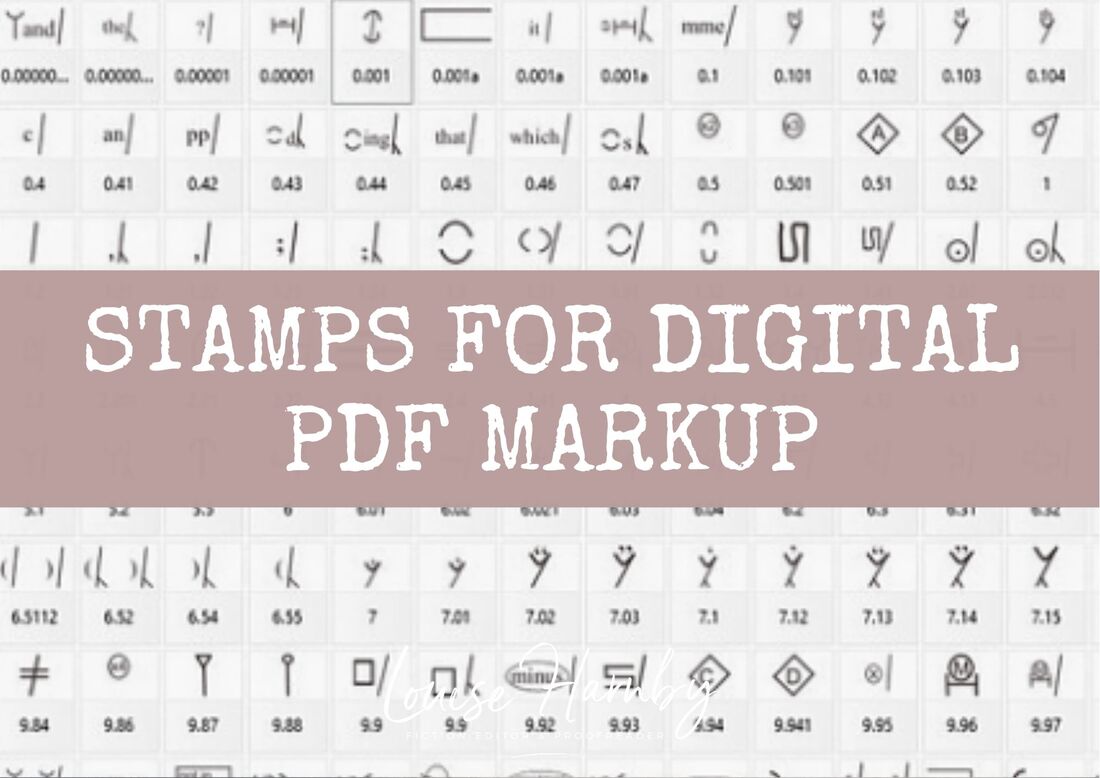
PDF MARKUP
AUTHOR RESOURCES
EDITOR RESOURCES
TESTIMONIALS
Dare Rogers
'Louise uses her expertise to hone a story until it's razor sharp, while still allowing the author’s voice to remain dominant.'
Jeff Carson
'I wholeheartedly recommend her services ... Just don’t hire her when I need her.'
J B Turner
'Sincere thanks for a beautiful and elegant piece of work. First class.'
Ayshe Gemedzhy
'What makes her stand out and shine is her ability to immerse herself in your story.'
Salt Publishing
'A million thanks – your mark-up is perfect, as always.'
CATEGORIES
All
Around The World
Audio Books
Author Chat
Author Interviews
Author Platform
Author Resources
Blogging
Book Marketing
Books
Branding
Business Tips
Choosing An Editor
Client Talk
Conscious Language
Core Editorial Skills
Crime Writing
Design And Layout
Dialogue
Editing
Editorial Tips
Editorial Tools
Editors On The Blog
Erotica
Fiction
Fiction Editing
Freelancing
Free Stuff
Getting Noticed
Getting Work
Grammar Links
Guest Writers
Indexing
Indie Authors
Lean Writing
Line Craft
Link Of The Week
Macro Chat
Marketing Tips
Money Talk
Mood And Rhythm
More Macros And Add Ins
Networking
Online Courses
PDF Markup
Podcasting
POV
Proofreading
Proofreading Marks
Publishing
Punctuation
Q&A With Louise
Resources
Roundups
Self Editing
Self Publishing Authors
Sentence Editing
Showing And Telling
Software
Stamps
Starting Out
Story Craft
The Editing Podcast
Training
Types Of Editing
Using Word
Website Tips
Work Choices
Working Onscreen
Working Smart
Writer Resources
Writing
Writing Tips
Writing Tools
ARCHIVES
April 2024
March 2024
October 2023
August 2023
July 2023
June 2023
May 2023
April 2023
March 2023
January 2023
December 2022
November 2022
October 2022
September 2022
August 2022
July 2022
June 2022
May 2022
April 2022
March 2022
February 2022
January 2022
December 2021
November 2021
October 2021
September 2021
August 2021
July 2021
June 2021
May 2021
April 2021
March 2021
February 2021
January 2021
December 2020
November 2020
October 2020
September 2020
August 2020
July 2020
June 2020
May 2020
April 2020
March 2020
February 2020
January 2020
December 2019
November 2019
October 2019
September 2019
August 2019
July 2019
June 2019
May 2019
April 2019
March 2019
February 2019
January 2019
December 2018
November 2018
October 2018
September 2018
August 2018
July 2018
June 2018
May 2018
April 2018
March 2018
February 2018
January 2018
December 2017
November 2017
October 2017
September 2017
August 2017
July 2017
June 2017
May 2017
April 2017
March 2017
February 2017
January 2017
December 2016
November 2016
October 2016
September 2016
June 2016
May 2016
April 2016
March 2016
February 2016
January 2016
December 2015
November 2015
October 2015
September 2015
July 2015
June 2015
May 2015
March 2015
February 2015
January 2015
November 2014
October 2014
September 2014
August 2014
July 2014
June 2014
March 2014
January 2014
November 2013
October 2013
September 2013
August 2013
June 2013
February 2013
January 2013
November 2012
October 2012
September 2012
August 2012
July 2012
June 2012
May 2012
April 2012
March 2012
February 2012
January 2012
December 2011
 RSS Feed
 |

|
|

|

|
|
|
|

© 2011–2024 Louise Harnby