

|
Find out why standards are core to professional practice for any editor or proofreader who wants to be fit for purpose and trusted by clients.
|
|
Online editing training course
|
Classification in UK
|
VAT must be charged to UK customers?
|
|
EXAMPLE 1
|
Digital service
|
Yes
|
|
EXAMPLE 2
|
Not a digital service
|
No
|
|
EXAMPLE 3
|
Probably not a digital service
|
Probably no
|
|
EXAMPLE 4
|
Possibly not a digital service
|
Possibly no
|
|
EXAMPLE 5
|
Nebulous
|
Nebulous
|
Your online course and the tax authority in other jurisdictions
So you’ve worked out what the deal is for your own jurisdiction. However, when it comes to selling globally, where you live is irrelevant when it comes to consumption taxes like VAT.
Anyone offering online courses in a global market must know where their customer lives. And it’s the tax authority’s rules in the customer’s jurisdiction that determine whether we need to add a consumption tax to the price.
Which can be a monumental barrier for sole-trading editors and proofreaders. Why? because here's what we need to take responsibility for.
Our consumption tax responsibilities
Small-business owners selling digital products and services internationally must have a mechanism in place to:
That list is enough to deter any small-business owner from sharing their knowledge and charging for it. Which is a crying shame because the editorial community is passionate about training and CPD.
And the fact is that most of us don’t have the time or skills to do this work – unless we decide we're not actually going to be editors and trainers anymore, but full-time accountants instead.
Nor can we afford to hire an expensive specialist tax accountant who will do this for us – unless we want the entire exercise to become unprofitable.
So what do we do?
Anyone offering online courses in a global market must know where their customer lives. And it’s the tax authority’s rules in the customer’s jurisdiction that determine whether we need to add a consumption tax to the price.
Which can be a monumental barrier for sole-trading editors and proofreaders. Why? because here's what we need to take responsibility for.
Our consumption tax responsibilities
Small-business owners selling digital products and services internationally must have a mechanism in place to:
- ensure that our customers provide the necessary jurisdiction data on our invoices
- allow our customers to exempt themselves from the tax where appropriate
- calculate the appropriate tax rate for every customer
- review that tax rate regularly (because they change!)
- collect the tax from the customer
- remit the collected tax to every single relevant tax authority. That's right. Every single one.
That list is enough to deter any small-business owner from sharing their knowledge and charging for it. Which is a crying shame because the editorial community is passionate about training and CPD.
And the fact is that most of us don’t have the time or skills to do this work – unless we decide we're not actually going to be editors and trainers anymore, but full-time accountants instead.
Nor can we afford to hire an expensive specialist tax accountant who will do this for us – unless we want the entire exercise to become unprofitable.
So what do we do?
The solution: Find a taxation-friendly training platform
There is a solution. Training platforms are increasingly offering tax support to their trainers. When evaluating a training platform for its taxation-friendliness, it’s critical that we understand the concept of the Merchant of Record.
What is a Merchant of Record?
A Merchant of Record is the legal entity that usually:
When we choose a training platform that acts as the Merchant of Record, or includes a third-party integration that does the same, that leaves us free to get on with the business of editorial training rather than worrying about whether we’re tax compliant in every part of the world we’re selling to.
If the platform doesn't offer that, we're the Merchants of Record, and the buck's back with us.
What’s on offer?
Some training platforms are partial Merchants of Record. PayHip, for example, calculates, collects and remits VAT in the UK and Europe for me as a UK resident. However, I’m responsible for the tax compliance in all other jurisdictions ... Cue the worry.
Some training platforms include integrations that calculate the tax but don’t collect or remit it. That’s on us or our (expensive) specialist tax accountants. LearnWorlds is an example. The Quaderno app calculates what we owe to whom, but we have to do the rest ... Cue the worry.
Some training platforms act as full Merchants of Record, meaning they calculate, collect and remit all the tax for all jurisdictions. Teachable is an example ... And relax!
What is a Merchant of Record?
A Merchant of Record is the legal entity that usually:
- calculates the appropriate rate of tax that needs to be added to a purchase of your course
- updates that rate of tax rate in your payment gateway when necessary
- collects that tax from your customer
- remits it to the tax authority in the appropriate jurisdiction.
When we choose a training platform that acts as the Merchant of Record, or includes a third-party integration that does the same, that leaves us free to get on with the business of editorial training rather than worrying about whether we’re tax compliant in every part of the world we’re selling to.
If the platform doesn't offer that, we're the Merchants of Record, and the buck's back with us.
What’s on offer?
Some training platforms are partial Merchants of Record. PayHip, for example, calculates, collects and remits VAT in the UK and Europe for me as a UK resident. However, I’m responsible for the tax compliance in all other jurisdictions ... Cue the worry.
Some training platforms include integrations that calculate the tax but don’t collect or remit it. That’s on us or our (expensive) specialist tax accountants. LearnWorlds is an example. The Quaderno app calculates what we owe to whom, but we have to do the rest ... Cue the worry.
Some training platforms act as full Merchants of Record, meaning they calculate, collect and remit all the tax for all jurisdictions. Teachable is an example ... And relax!
Where I host my editorial training courses
I now host my editorial training courses with Teachable for seven reasons:
Note that at the time of writing, trainers wanting to offer PayPal as a payment gateway in Teachable must set their course prices in US dollars.
Teachable is right for me, but any editor or proofreader embarking on online course creation should do their own research. Most platforms offer a free trial so you can get a feel for the setup, functionality and branding options.
- It acts as a full Merchant of Record, meaning I can focus on course creation rather than worrying about tax compliance.
- The platform is super user-friendly for me and my students.
- Teachable has a gorgeous app (iOS and Android), which is fantastic for students who want mobile access. Download it from your usual app store.
- I can brand my content appropriately.
- Multiple editorial trainers use Teachable, which means students can access our schools via a single platform.
- I can now offer payment plans that allow my students to spread the cost.
- And there's a bundles option that lets me offer you access to multiple courses ... and with big discounts!
Note that at the time of writing, trainers wanting to offer PayPal as a payment gateway in Teachable must set their course prices in US dollars.
Teachable is right for me, but any editor or proofreader embarking on online course creation should do their own research. Most platforms offer a free trial so you can get a feel for the setup, functionality and branding options.
Summing up: What to consider
- Creating and delivering online courses for editors and proofreaders has never been easier thanks to the growing number of platforms with user-friendly interfaces and multimedia functionality.
- What’s not so easy is the tax-compliance element. Many of the providers haven’t yet woken up to the implications for small-business owners operating in a global marketplace with complex and ever-changing tax rules.
- If you’re planning to teach online, make sure you understand the differences in tax rules for courses with a live component and courses that are self-directed, not just in your own jurisdiction but elsewhere too. Also bear in mind that what constitutes live tutoring might be nebulous.
- And, finally, if you decide to head down the self-directed training route, and your preferred platform isn’t offering a full Merchant of Record service, think carefully about who’s going to do that work and how much it will cost.
Related resources
- Check out my courses, their payment plans, and discounted bundles.
- Visit my Skills and training resource page to access free guidance.
- Find out how to log in and access courses you've already purchased.
Louise Harnby is a line editor, copyeditor and proofreader who specializes in working with crime, mystery, suspense and thriller writers.
She is an Advanced Professional Member of the Chartered Institute of Editing and Proofreading (CIEP), a member of ACES, a Partner Member of The Alliance of Independent Authors (ALLi), and co-hosts The Editing Podcast.
She is an Advanced Professional Member of the Chartered Institute of Editing and Proofreading (CIEP), a member of ACES, a Partner Member of The Alliance of Independent Authors (ALLi), and co-hosts The Editing Podcast.
- Get in touch: Louise Harnby | Fiction Editor & Proofreader
- Connect: Twitter at @LouiseHarnby, Facebook and LinkedIn
- Learn: Books and courses
- Discover: Resources for authors and editors
Find out why editorial conferences are worth attending for every editor and proofreader.


Summary of Episode 97
Listen to find out more about:
- Why even experienced editors need to learn
- How to use a conference to make a contribution to the profession
- Meeting other editors
- Having fun with colleagues and friends
Related resources
- 6 tips to help you speak in public with confidence. By Simon Raybould
- Editorial training without borders: Should you bother with international editing conferences?
- Organizing an editorial conference. With Beth Hamer
- Speaking at editing conferences: How to do it and love it
- Why editors and proofreaders should be networking
Join our Patreon community
If you'd like to support The Editing Podcast, thank you! That means the world to us.
Music credit
'Vivacity’ by Kevin MacLeod
Louise Harnby is a line editor, copyeditor and proofreader who specializes in working with crime, mystery, suspense and thriller writers.
She is an Advanced Professional Member of the Chartered Institute of Editing and Proofreading (CIEP), a member of ACES, a Partner Member of The Alliance of Independent Authors (ALLi), and co-hosts The Editing Podcast.
She is an Advanced Professional Member of the Chartered Institute of Editing and Proofreading (CIEP), a member of ACES, a Partner Member of The Alliance of Independent Authors (ALLi), and co-hosts The Editing Podcast.
- Get in touch: Louise Harnby | Fiction Editor & Proofreader
- Connect: Twitter at @LouiseHarnby, Facebook and LinkedIn
- Learn: Books and courses
- Discover: Resources for authors and editors
Want to line edit crime fiction and thrillers? Pick up some handy tips to help you on your way.


Summary of Episode 96
Listen to find out more about:
- What's distinctive about editing crime fiction and thrillers
- What a good line editor needs to look out for
- What new entrants to the field need to study
- Marketing ideas
- Top tips for being a successful freelance editor/proofreader
- Do fiction editors use style guides?
Related resources
Join our Patreon community
If you'd like to support The Editing Podcast, thank you! That means the world to us.
Music credit
‘Vivacity’ Kevin MacLeod (incompetech.com). Licensed under Creative Commons: By Attribution 3.0 License. http://creativecommons.org/licenses/by/3.0/.
Louise Harnby is a line editor, copyeditor and proofreader who specializes in working with crime, mystery, suspense and thriller writers.
She is an Advanced Professional Member of the Chartered Institute of Editing and Proofreading (CIEP), a member of ACES, a Partner Member of The Alliance of Independent Authors (ALLi), and co-hosts The Editing Podcast.
She is an Advanced Professional Member of the Chartered Institute of Editing and Proofreading (CIEP), a member of ACES, a Partner Member of The Alliance of Independent Authors (ALLi), and co-hosts The Editing Podcast.
- Get in touch: Louise Harnby | Fiction Editor & Proofreader
- Connect: Twitter at @LouiseHarnby, Facebook and LinkedIn
- Learn: Books and courses
- Discover: Resources for authors and editors


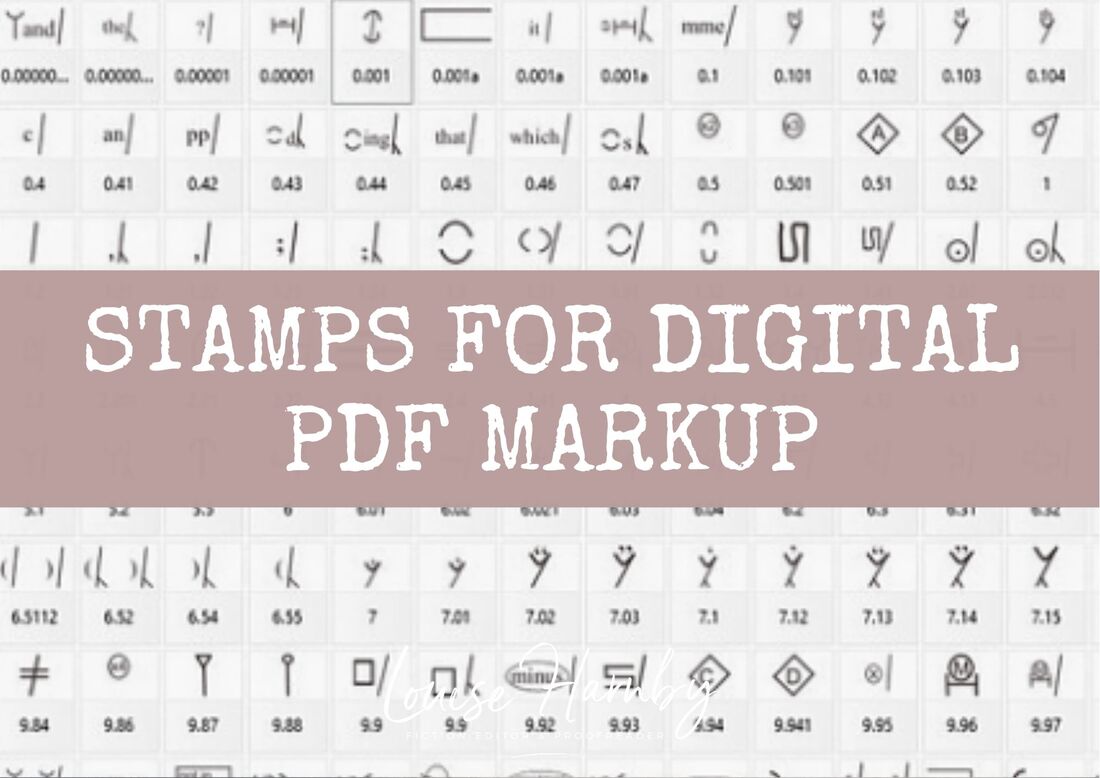
PDF MARKUP
AUTHOR RESOURCES

EDITOR RESOURCES



TESTIMONIALS
Dare Rogers
'Louise uses her expertise to hone a story until it's razor sharp, while still allowing the author’s voice to remain dominant.'
Jeff Carson
'I wholeheartedly recommend her services ... Just don’t hire her when I need her.'
J B Turner
'Sincere thanks for a beautiful and elegant piece of work. First class.'
Ayshe Gemedzhy
'What makes her stand out and shine is her ability to immerse herself in your story.'
Salt Publishing
'A million thanks – your mark-up is perfect, as always.'
CATEGORIES
All
Around The World
Audio Books
Author Chat
Author Interviews
Author Platform
Author Resources
Blogging
Book Marketing
Books
Branding
Business Tips
Choosing An Editor
Client Talk
Conscious Language
Core Editorial Skills
Crime Writing
Design And Layout
Dialogue
Editing
Editorial Tips
Editorial Tools
Editors On The Blog
Erotica
Fiction
Fiction Editing
Freelancing
Free Stuff
Getting Noticed
Getting Work
Grammar Links
Guest Writers
Indexing
Indie Authors
Lean Writing
Line Craft
Link Of The Week
Macro Chat
Marketing Tips
Money Talk
Mood And Rhythm
More Macros And Add Ins
Networking
Online Courses
PDF Markup
Podcasting
POV
Proofreading
Proofreading Marks
Publishing
Punctuation
Q&A With Louise
Resources
Roundups
Self Editing
Self Publishing Authors
Sentence Editing
Showing And Telling
Software
Stamps
Starting Out
Story Craft
The Editing Podcast
Training
Types Of Editing
Using Word
Website Tips
Work Choices
Working Onscreen
Working Smart
Writer Resources
Writing
Writing Tips
Writing Tools
ARCHIVES
July 2024
June 2024
May 2024
April 2024
March 2024
October 2023
August 2023
July 2023
June 2023
May 2023
April 2023
March 2023
January 2023
December 2022
November 2022
October 2022
September 2022
August 2022
July 2022
June 2022
May 2022
April 2022
March 2022
February 2022
January 2022
December 2021
November 2021
October 2021
September 2021
August 2021
July 2021
June 2021
May 2021
April 2021
March 2021
February 2021
January 2021
December 2020
November 2020
October 2020
September 2020
August 2020
July 2020
June 2020
May 2020
April 2020
March 2020
February 2020
January 2020
December 2019
November 2019
October 2019
September 2019
August 2019
July 2019
June 2019
May 2019
April 2019
March 2019
February 2019
January 2019
December 2018
November 2018
October 2018
September 2018
August 2018
July 2018
June 2018
May 2018
April 2018
March 2018
February 2018
January 2018
December 2017
November 2017
October 2017
September 2017
August 2017
July 2017
June 2017
May 2017
April 2017
March 2017
February 2017
January 2017
December 2016
November 2016
October 2016
September 2016
June 2016
May 2016
April 2016
March 2016
February 2016
January 2016
December 2015
November 2015
October 2015
September 2015
July 2015
June 2015
May 2015
March 2015
February 2015
January 2015
November 2014
October 2014
September 2014
August 2014
July 2014
June 2014
March 2014
January 2014
November 2013
October 2013
September 2013
August 2013
June 2013
February 2013
January 2013
November 2012
October 2012
September 2012
August 2012
July 2012
June 2012
May 2012
April 2012
March 2012
February 2012
January 2012
December 2011
 RSS Feed
 |

|

|

|

|
|
|
|

© 2011–2024 Louise Harnby