

|
Discover ten brand-design tips that every editor and proofreader can consider in their business.

|
|
TABLE 1
Text |
Type of prose |
Psychic distance between narrator and reader
|
|
‘Spoiler,’ said Reynolds. ‘I re-interviewed the surviving witnesses and they agreed that Anthony Lane opened fire at the Mary Engine and the jars on the rack. Before you ask, they were both interns and didn’t know where the items had come from.’
|
Direct speech
|
Wider
|
|
The dead guy, a certain Branwell Petersen, MIT graduate and former Microsoft employee, had died, the witnesses thought, because he stepped between the shooter and the Rose Jars.
|
Implied dialogue
|
Closer
|
|
‘The interns said he threw himself into the line of fire,’ said Reynolds. ‘As if his life was less important.’
|
Direct speech
|
Wider
|
2. Summarising to avoid repetition
Sometimes the reader has already accessed information via a viewpoint character. If that character then shares the detail with another via direct speech, the reader will be subjected to repetition that encourages them to skim.
A narrative summary enables authors to imply the spoken sharing of information without actually putting the whole conversation down on paper twice.
EXAMPLE
In the excerpt in Table 2a below, the protagonist – with the help of a companion – has escaped from an unknown location after being kidnapped.
A narrative summary enables authors to imply the spoken sharing of information without actually putting the whole conversation down on paper twice.
EXAMPLE
In the excerpt in Table 2a below, the protagonist – with the help of a companion – has escaped from an unknown location after being kidnapped.
|
TABLE 2a
Text |
Type of prose |
|
I stopped to orientate myself and spotted a street sign – Coldharbour Lane. I’d been in bloody Brixton the whole time. […] I wanted off the street, but didn’t want to put a random homeowner in danger. Instead we ran left towards the train station.
|
Narrative: Location of lair
|
|
[…] After less than a hundred metres, Foxglove was showing signs of serious distress and I felt her stumble a couple of times, but we’d reached the shopping parade by then and fortunately the Nisa Local was still open. A nervous black girl of about fifteen who was manning the tills gave us a weary look of disgust as we rushed in. Then got all confused when I told her I was a police office and that I needed to use a phone.
[…] I retreated with Foxglove into the corner where we’d be hidden by the shelves and called Guleed. |
Narrative: Location of store
|
|
[…] Guleed picked up, and I said, ‘We’re in the Nisa Local near Brixton Station and Chorley’s lair is on Coldharbour Lane.’
|
Direct speech: Repetition of narrative x2
|
Notice how the dialogue at the end of the excerpt repeats information we already know because Grant has narrated the journey of discovery and the direction he takes in the previous paragraphs. It’s repetitive and dull.
But actually, I’ve butchered it. The real excerpt from pp. 329–30 of Lies Sleeping, also by Ben Aaronovitch, looks like this:
But actually, I’ve butchered it. The real excerpt from pp. 329–30 of Lies Sleeping, also by Ben Aaronovitch, looks like this:
|
TABLE 2b
Text |
Type of prose |
|
I stopped to orientate myself and spotted a street sign – Coldharbour Lane. I’d been in bloody Brixton the whole time. […] I wanted off the street, but didn’t want to put a random homeowner in danger. Instead we ran left towards the train station.
|
Narrative: Location of lair
|
|
[…] After less than a hundred metres, Foxglove was showing signs of serious distress and I felt her stumble a couple of times, but we’d reached the shopping parade by then and fortunately the Nisa Local was still open. A nervous black girl of about fifteen who was manning the tills gave us a weary look of disgust as we rushed in. Then got all confused when I told her I was a police office and that I needed to use a phone.
[…] I retreated with Foxglove into the corner where we’d be hidden by the shelves and called Guleed. |
Narrative: Location of store
|
|
Guleed picked up, and I told her where I was, and where Chorley’s lair was, and let her get on with it.
|
Implied dialogue
|
Take a look at the final line. Aaronovitch uses narrative, rather than direct speech, to imply what Grant has actually said to Guleed.
The repetition is gone. Instead, of laboured direct speech that tells readers what they already know, the implied dialogue is taut and pacy, and lets us move on to the next part of the scene.
Summarising information via implied dialogue doesn’t necessarily reduce the word count, but that’s fine. The goal is not to necessarily to reduce the number of words (though that may be the result) but to keep the reader interested and drive the story forward.
The repetition is gone. Instead, of laboured direct speech that tells readers what they already know, the implied dialogue is taut and pacy, and lets us move on to the next part of the scene.
Summarising information via implied dialogue doesn’t necessarily reduce the word count, but that’s fine. The goal is not to necessarily to reduce the number of words (though that may be the result) but to keep the reader interested and drive the story forward.
3. Breaking up would-be monologues
When non-viewpoint characters have information to share, direct speech is the perfect vehicle because we can learn about their experiences even though we haven’t been party to them.
However, when there’s a lot of detail, that information can turn into what feels like a monologue. The reader can end up dislocated from the environment, as if the speaker is talking in a vacuum or floating in white space. You might see this referred to as ‘talking heads syndrome’.
Implied dialogue is the antidote. It breaks up the dialogue so that while some of what was said is rendered in direct speech, chunks of it are voiced by the narrator. That is, what was actually spoken by the non-viewpoint character is implied.
EXAMPLE
In Table 3 below is a fine example from False Value again, this time on p. 287. Consider how long Reynolds’s spiel would have been if Aaronovitch hadn’t broken it up by allowing the protagonist and first-person narrator, Peter Grant, to bear some of the burden.
It’s implied that the 113 words about what happened on August 2015 were spoken by Reynolds, but it’s Grant who delivers the information to the reader on her behalf. The monologue has been avoided but we know exactly how that conversation went.
However, when there’s a lot of detail, that information can turn into what feels like a monologue. The reader can end up dislocated from the environment, as if the speaker is talking in a vacuum or floating in white space. You might see this referred to as ‘talking heads syndrome’.
Implied dialogue is the antidote. It breaks up the dialogue so that while some of what was said is rendered in direct speech, chunks of it are voiced by the narrator. That is, what was actually spoken by the non-viewpoint character is implied.
EXAMPLE
In Table 3 below is a fine example from False Value again, this time on p. 287. Consider how long Reynolds’s spiel would have been if Aaronovitch hadn’t broken it up by allowing the protagonist and first-person narrator, Peter Grant, to bear some of the burden.
It’s implied that the 113 words about what happened on August 2015 were spoken by Reynolds, but it’s Grant who delivers the information to the reader on her behalf. The monologue has been avoided but we know exactly how that conversation went.
|
TABLE 3
Text |
Type of prose |
Psychic distance between narrator and reader
|
|
I flipped the master power switch as soon as I was inside and pulled a Coke out of the fridge to serve as a coffee substitute while I waited for my PC to boot up. As soon as Skype was running, Reynolds’s call flashed up.
|
Narrative
|
Closer
|
|
‘What was all that about?’ I asked when I saw her face.
|
Direct speech
|
Wider
|
|
‘Skinner’s been connected to another case,’ she said.
|
Direct speech
|
Wider
|
|
At 10.15 on a Monday morning in August 2015, one Anthony Lane walked into the offices of an obscure tech start-up in San Jose carrying a concealed handgun. He talked his way past the receptionist before using the threat of force to gain access to the secure area at the rear and then, once he was in, opened fire. One person was killed instantly, two others were wounded and Lane himself was shot eight times in the back by a responding police officer. The attack barely made the news, being just one of several hundred to several thousand – depending on where you set the parameters – of active shooter incidents so far that year.
|
Implied dialogue
|
Closer
|
|
‘It wasn’t on my list,’ said Reynolds, ‘because the perp was dead.’
|
Direct speech
|
Wider
|
And don’t forget the impact on reader inclusion discussed earlier. This monologue-breaker has also served to turn Grant’s narrative gaze towards us – the readers – rather than focusing solely on the person who’s talking to him via Skype.
4. Making direct speech more impactful
Using implied dialogue can also enable direct speech to shine a little more brightly, especially when there’s a punchy spoken one-liner that deserves to stand out on the page.
EXAMPLE
The excerpt in Table 4 is from p. 369 of Lies Sleeping. The author uses a combination of direct speech, implied dialogue and narrative to present a coherent telling of the what the characters are saying and doing.
In this case, the implied dialogue is how readers know about the relatively mundane conversations that have taken place between the characters, but note in particular the penultimate line in which we learn that Guleed said she’d been about to phone.
What that does is put her closing direct speech centre stage. And that’s right and proper because it’s anything but mundane. It’s a section-closer that drips with suspense and tension – compelling the reader to turn the page so they can find out more about the problem Guleed’s identified, what the implications are and how the team are going to fix it.
EXAMPLE
The excerpt in Table 4 is from p. 369 of Lies Sleeping. The author uses a combination of direct speech, implied dialogue and narrative to present a coherent telling of the what the characters are saying and doing.
In this case, the implied dialogue is how readers know about the relatively mundane conversations that have taken place between the characters, but note in particular the penultimate line in which we learn that Guleed said she’d been about to phone.
What that does is put her closing direct speech centre stage. And that’s right and proper because it’s anything but mundane. It’s a section-closer that drips with suspense and tension – compelling the reader to turn the page so they can find out more about the problem Guleed’s identified, what the implications are and how the team are going to fix it.
|
TABLE 4
Text |
Type of prose |
|
‘I’ve checked for booby traps and handed it over to the local boys. Alexander is sending a search party tomorrow.’
|
Direct speech
|
|
He asked after Stephanopoulos and I passed on the assurances that Dr Walid had given me. I asked if he was heading back tonight and he said he was.
|
Implied dialogue
|
|
‘Anything else to report?’ he asked.
|
Direct speech
|
|
‘A creeping sense of existential dread,’ I said. ‘Apart from that I’m good.’
|
Direct speech
|
|
‘Chin up, Peter. He’s on his last legs – I can feel it.’
|
Direct speech
|
|
Once Nightingale had rung off I called Guleed, who’d been arriving as a nasty surprise to bell foundries and metal casting companies from Dudley to Wolverhampton all day.
|
Narrative
|
|
She said she’d been just about to phone.
|
Implied dialogue
|
|
‘I was right,’ she said. ‘There’s another bell.’
[SECTION BREAK] |
Direct speech: Standout one-liner
|
Summing up
Implied dialogue does what it says on the tin. It is narrative that implies what characters said to each other, even though it’s not presented in the present tense and (often) with quotation/speech marks surrounding it.
And while direct speech that’s rich in voice, conveys mood, and shows intent is knockout, it may be that you’re concerned about excluding your readers – or, worse, boring them. If that's the case, experiment with this tool and see what effect it has on your prose when you mix things up a little.
And while direct speech that’s rich in voice, conveys mood, and shows intent is knockout, it may be that you’re concerned about excluding your readers – or, worse, boring them. If that's the case, experiment with this tool and see what effect it has on your prose when you mix things up a little.
Related resources and cited texts
- Dialogue resource centre
- Editing Fiction at Sentence Level (book)
- False Value, Ben Aaronovitch, Gollancz, 2020
- How to Line Edit for Suspense (multimedia online course)
- Lies Sleeping, Ben Aaronovitch, Gollancz, 2018
- Narrative Distance: A Toolbox for Writers and Editors (multimedia online course)
Louise Harnby is a line editor, copyeditor and proofreader who specializes in working with crime, mystery, suspense and thriller writers.
She is an Advanced Professional Member of the Chartered Institute of Editing and Proofreading (CIEP), a member of ACES, a Partner Member of The Alliance of Independent Authors (ALLi), and co-hosts The Editing Podcast.
She is an Advanced Professional Member of the Chartered Institute of Editing and Proofreading (CIEP), a member of ACES, a Partner Member of The Alliance of Independent Authors (ALLi), and co-hosts The Editing Podcast.
- Get in touch: Louise Harnby | Fiction Editor & Proofreader
- Connect: X at @LouiseHarnby, Facebook and LinkedIn
- Learn: Books and courses
- Discover: Resources for authors and editors
Find out about the artistry of editing translated materials with Denise Cowle, Louise Harnby and Andy Hodges.
Summary of Episode 116
- Types of translated materials
- The difference between editing a translation and editing a text written in English by a multilingual author
- Stylistic editing and technical copyediting of translated materials
- Whether an editor needs to be proficient in the source language of a translated text
- General issues to watch out for when editing translated materials
- Working with translated literary/fiction texts
- Beyond Anglo-American story structures: Kishōtenketsu and conflict
Related resources
- Editing translated English (Allison Turner)
- Kishōtenketsu: Exploring the Four Act Story Structure (John; The Art of Narrative)
- The Narrative Craft (Andy Hodges, fiction editor and book coach)
Sign up for alerts about our publications
Want to hone your editorial business skills? Our actionable guides and workbooks will help you plan and implement a programme for business growth and development. Sign up for alerts and we'll let you know when our publications are live and how to order.
Support The Editing Podcast
Tip your hosts: Support Louise and Denise with a one-off tip of your choosing.
Join our Patreon community: Our patrons benefit from access to PDF transcripts for episodes featuring just Louise and Denise, and for some of our guest episodes.
Music credit
'Vivacity’ by Kevin MacLeod
- Link: https://filmmusic.io/song/4593-vivacity
- Licence: http://creativecommons.org/licenses/by/4.0/
Louise Harnby is a line editor, copyeditor and proofreader who specializes in working with crime, mystery, suspense and thriller writers.
She is an Advanced Professional Member of the Chartered Institute of Editing and Proofreading (CIEP), a member of ACES, a Partner Member of The Alliance of Independent Authors (ALLi), and co-hosts The Editing Podcast.
She is an Advanced Professional Member of the Chartered Institute of Editing and Proofreading (CIEP), a member of ACES, a Partner Member of The Alliance of Independent Authors (ALLi), and co-hosts The Editing Podcast.
- Get in touch: Louise Harnby | Fiction Editor & Proofreader
- Connect: Twitter at @LouiseHarnby, Facebook and LinkedIn
- Learn: Books and courses
- Discover: Resources for authors and editors
Find out more about worldbuilding in science fiction and fantasy with fiction editor and book coach Andy Hodges.
Summary of Episode 115
- What is worldbuilding?
- How is worldbuilding different from setting?
- Common problems with worldbuilding that writers face
- How to improve worldbuilding skills
- Portraying invented groups and cultures with sensitivity
- Resources and training on worldbuilding for editors and writers
Related resources
- Andy Hodges, The Narrative Craft
- Cultural Worldbuilding in Your SFF Novel (online course by Andy Hodges)
- Hollow World (book), Michael J Sullivan
- Editing fiction: Worldbuilding (blog post)
- Editing 'unearned writing' (The Editing Podcast, with guest Tim Storm)
- Fiction editing courses
- Fiction editing books
- Working with Indie Authors (online course by Tanya Gold)
Sign up for alerts about our publications
Want to hone your editorial business skills? Our actionable guides and workbooks will help you plan and implement a programme for business growth and development. Sign up for alerts and we'll let you know when our publications are live and how to order.
Support The Editing Podcast
Tip your hosts: Support Louise and Denise with a one-off tip of your choosing.
Join our Patreon community: Our patrons benefit from access to PDF transcripts for episodes featuring just Louise and Denise, and for some of our guest episodes.
Music credit
'Vivacity’ by Kevin MacLeod
- Link: https://filmmusic.io/song/4593-vivacity
- Licence: http://creativecommons.org/licenses/by/4.0/
Louise Harnby is a line editor, copyeditor and proofreader who specializes in working with crime, mystery, suspense and thriller writers.
She is an Advanced Professional Member of the Chartered Institute of Editing and Proofreading (CIEP), a member of ACES, a Partner Member of The Alliance of Independent Authors (ALLi), and co-hosts The Editing Podcast.
She is an Advanced Professional Member of the Chartered Institute of Editing and Proofreading (CIEP), a member of ACES, a Partner Member of The Alliance of Independent Authors (ALLi), and co-hosts The Editing Podcast.
- Get in touch: Louise Harnby | Fiction Editor & Proofreader
- Connect: Twitter at @LouiseHarnby, Facebook and LinkedIn
- Learn: Books and courses
- Discover: Resources for authors and editors
Discover how editors and proofreaders can use text generative AI as a business tool that enhances marketing, increases productivity and reduces stress.
Summary of Episode 114
- Simplifying complex information
- Creating content ideas for business marketing
- Generating outlines for editorial marketers who lack writing confidence
- Keyword and keyphrase research
- Suggesting compelling calls to action for a website
Related resources
- ChatGPT, AI chatbots … and why you need to be worried about them (blog post by Lisa Cordaro Publishing Services)
- Branding for Business Growth (multimedia course)
- Editor Website Essentials (multimedia course)
- Emotional Marketing that Gets Editors Work (multimedia course)
- Marketing Toolbox for Editors (multimedia course)
- Resource library for editors, proofreaders and writers
Sign up for alerts about our publications
Want to hone your editorial business skills? Our actionable guides and workbooks will help you plan and implement a programme for business growth and development.
Sign up for alerts and we'll let you know when our publications are live and how to order.
Sign up for alerts and we'll let you know when our publications are live and how to order.
Support The Editing Podcast
Tip your hosts: Support Louise and Denise with a one-off tip of your choosing.
Join our Patreon community: Our patrons benefit from access to PDF transcripts for episodes featuring just Louise and Denise, and for some of our guest episodes.
Music credit
'Vivacity’ by Kevin MacLeod
- Link: https://filmmusic.io/song/4593-vivacity
- Licence: http://creativecommons.org/licenses/by/4.0/
Louise Harnby is a line editor, copyeditor and proofreader who specializes in working with crime, mystery, suspense and thriller writers.
She is an Advanced Professional Member of the Chartered Institute of Editing and Proofreading (CIEP), a member of ACES, a Partner Member of The Alliance of Independent Authors (ALLi), and co-hosts The Editing Podcast.
She is an Advanced Professional Member of the Chartered Institute of Editing and Proofreading (CIEP), a member of ACES, a Partner Member of The Alliance of Independent Authors (ALLi), and co-hosts The Editing Podcast.
- Get in touch: Louise Harnby | Fiction Editor & Proofreader
- Connect: Twitter at @LouiseHarnby, Facebook and LinkedIn
- Learn: Books and courses
- Discover: Resources for authors and editors
Find out what proofreading markup symbols are and why they're still relevant to professional practice.
Summary of Episode 113
- What are proofreading markup symbols?
- BSI standards and other national guidelines
- Is proofreading markup language still relevant to training?
- Communicating efficiently and unambiguously
- Relevance to proofreaders-in-training who want to work with indie authors
- Markup colour: What do the differences mean?
- Other ways of marking up digital texts
Related resources
Sign up for alerts about our publications
Want to hone your editorial business skills? Our actionable guides and workbooks will help you plan and implement a programme for business growth and development. Sign up for alerts and we'll let you know when our publications are live and how to order.
Support The Editing Podcast
Tip your hosts: Support Louise and Denise with a one-off tip of your choosing.
Join our Patreon community: Our patrons benefit from access to PDF transcripts for episodes featuring just Louise and Denise, and for some of our guest episodes.
Music credit
'Vivacity’ by Kevin MacLeod
- Link: https://filmmusic.io/song/4593-vivacity
- Licence: http://creativecommons.org/licenses/by/4.0/
Louise Harnby is a line editor, copyeditor and proofreader who specializes in working with crime, mystery, suspense and thriller writers.
She is an Advanced Professional Member of the Chartered Institute of Editing and Proofreading (CIEP), a member of ACES, a Partner Member of The Alliance of Independent Authors (ALLi), and co-hosts The Editing Podcast.
She is an Advanced Professional Member of the Chartered Institute of Editing and Proofreading (CIEP), a member of ACES, a Partner Member of The Alliance of Independent Authors (ALLi), and co-hosts The Editing Podcast.
- Get in touch: Louise Harnby | Fiction Editor & Proofreader
- Connect: Twitter at @LouiseHarnby, Facebook and LinkedIn
- Learn: Books and courses
- Discover: Resources for authors and editors
Louise and Denise discuss three ideas that help editors and proofreaders develop or enhance an editorial business mindset.
Summary of Episode 112
- Aim to make progress instead of achieving perfection.
- Develop a money mindset that focuses on ownership and growth.
- Decide what your goals are and stick to them.
Related resources
- Branding for Business Growth (multimedia course)
- Editor Website Essentials (multimedia course)
- Emotional Marketing that Gets Editors Work (multimedia course)
- Marketing Toolbox for Editors (multimedia course)
- Resource library for editors, proofreaders and writers
Sign up for alerts about our publications
Want to hone your editorial business skills? Our actionable guides and workbooks will help you plan and implement a programme for business growth and development.
Sign up for alerts and we'll let you know when our publications are live and how to order.
Sign up for alerts and we'll let you know when our publications are live and how to order.
Support The Editing Podcast
Tip your hosts: Support Louise and Denise with a one-off tip of your choosing.
Join our Patreon community: Our patrons benefit from access to PDF transcripts for episodes featuring just Louise and Denise, and for some of our guest episodes.
Music credit
'Vivacity’ by Kevin MacLeod
- Link: https://filmmusic.io/song/4593-vivacity
- Licence: http://creativecommons.org/licenses/by/4.0/
Louise Harnby is a line editor, copyeditor and proofreader who specializes in working with crime, mystery, suspense and thriller writers.
She is an Advanced Professional Member of the Chartered Institute of Editing and Proofreading (CIEP), a member of ACES, a Partner Member of The Alliance of Independent Authors (ALLi), and co-hosts The Editing Podcast.
She is an Advanced Professional Member of the Chartered Institute of Editing and Proofreading (CIEP), a member of ACES, a Partner Member of The Alliance of Independent Authors (ALLi), and co-hosts The Editing Podcast.
- Get in touch: Louise Harnby | Fiction Editor & Proofreader
- Connect: Twitter at @LouiseHarnby, Facebook and LinkedIn
- Learn: Books and courses
- Discover: Resources for authors and editors
Does your novel’s narrative have several consecutive snippets of dialogue that reflect a non-viewpoint character’s state of mind? If so, how do you punctuate them? And is there an alternative to using speech marks?
What’s in this post?
- The difference between dialogue and narrative
- Using speech snippets as a narrative device
- Different styles of punctuation
- Using free indirect speech as an alternative
- Should the snippets be capitalized?
- Keeping the text lean and engaging
The difference between dialogue and narrative
Dialogue is the conversation between two or more characters. It’s what people say out loud and is often indicated by opening and closing quotation marks (or speech marks). Depending on your style of choice, these marks can be either singles ‘blah blah’ or doubles “blah blah”.
Narrative is the telling of the story – how an external narrator or viewpoint character reports on the events taking place in the novel.
In the example below, the dialogue between the characters is in quotation marks. The surrounding text is narrative, and through it we learn what the viewpoint character – Milo – is thinking and what he can see and hear as the journey progresses.
Narrative is the telling of the story – how an external narrator or viewpoint character reports on the events taking place in the novel.
In the example below, the dialogue between the characters is in quotation marks. The surrounding text is narrative, and through it we learn what the viewpoint character – Milo – is thinking and what he can see and hear as the journey progresses.
Milo fumed. Stuck-up establishment idiots. They didn’t have a clue. The country was going to hell in a handcart and they had the audacity to talk about ‘defence of the realm’. Jesus.
The driver turned right at the junction, taking them over the bridge and south of the river.
Milo banged on the glass partition and shouted, ‘Hey, you’ve gone the wrong way, mate. We need to go north.’
‘Don’t worry yourself, sir,’ the driver said, his voice tinny through the intercom. ‘I’ve been told exactly where to take you.’
The driver turned right at the junction, taking them over the bridge and south of the river.
Milo banged on the glass partition and shouted, ‘Hey, you’ve gone the wrong way, mate. We need to go north.’
‘Don’t worry yourself, sir,’ the driver said, his voice tinny through the intercom. ‘I’ve been told exactly where to take you.’
Note the following:
- I’ve used single quotation marks in line with British English-style convention.
- Each new speaker’s dialogue starts on a new line.
- The full stop after realm sits outside the closing quotation mark because this isn’t direct speech.
Here’s how it might look using US English style:
Milo fumed. Stuck-up establishment idiots. They didn’t have a clue. The country was going to hell in a handcart and they had the audacity to talk about “defence of the realm.” Jesus.
The driver turned right at the junction, taking them over the bridge and south of the river.
Milo banged on the glass partition and shouted, “Hey, you’ve gone the wrong way, mate. We need to go north.”
“Don’t worry yourself, sir,” the driver said, his voice tinny through the intercom. “I’ve been told exactly where to take you.”
The driver turned right at the junction, taking them over the bridge and south of the river.
Milo banged on the glass partition and shouted, “Hey, you’ve gone the wrong way, mate. We need to go north.”
“Don’t worry yourself, sir,” the driver said, his voice tinny through the intercom. “I’ve been told exactly where to take you.”
Note the following:
- I’ve used double quotation marks.
- Each new speaker’s dialogue starts on a new line.
- The full stop after realm sits inside the closing quotation mark.
Using speech snippets as a narrative device
Sometimes the narrative can include snippets of speech to inform readers about a character’s state of mind or a types of behaviours.
Although full sentences are used in the speech snippets, it’s not conventional dialogue. Rather, it’s narrating character’s recollection of utterances that give the reader a flavour of another character’s perspective.
Here’s an example punctuated using British English style. Note the following:
Although full sentences are used in the speech snippets, it’s not conventional dialogue. Rather, it’s narrating character’s recollection of utterances that give the reader a flavour of another character’s perspective.
Here’s an example punctuated using British English style. Note the following:
- I’ve used single quotation marks in line with British English-style conventions.
- Adamson’s speech snippets are not given a new line but incorporated into the narrative.
- Commas and a conjunction separate the speech snippets.
- Commas and a conjunction separate the speech snippets. These replace any full points that would have appeared if the actual conversation had been reported and rendered as dialogue.
- The commas sit outside the speech marks to indicate that this is Milo’s narrative rather than conventional dialogue.
Milo fumed. Stuck-up establishment idiots. They didn’t have a clue. Like that jerk Adamson barking on about his so-called obligations. During their previous meeting, Milo had nodded and smiled in all the right places while his boss informed him that ‘It’s all about the defence of the realm, old chap’, ‘Democracy’s lost its way, don’t you think?’, ‘Got to look after our own, you know’ and ‘Government’s best done by our lot, not civilians’.
And here’s an example punctuated using US English style, which some people might find a little trickier because of the question mark and the punctuation convention. In the three examples below:
- I’ve used double quotation marks in line with US English-style conventions.
- Adamson’s speech snippets are not given a new line but incorporated into the narrative.
- Commas and a conjunction separate the speech snippets. These replace any full points that would have appeared if the actual conversation had been reported and rendered as dialogue.
- Most of the commas still sit inside the speech marks as per US English style. The tricky bit is deciding what to do with the snippet containing a question mark.
Option 1: Allow the question mark to do the separating
Milo fumed. Stuck-up establishment idiots. They didn’t have a clue. Like that jerk Adamson barking on about his so-called obligations. During their previous meeting, Milo had nodded and smiled in all the right places while his boss informed him that “It’s all about the defence of the realm, old chap,” “Democracy’s lost its way, don’t you think?” “Got to look after our own, you know,” and “Government’s best done by our lot, not civilians.”
Option 2: Recast so that the snippet with a question mark is at the end of the sentence
Milo fumed. Stuck-up establishment idiots. They didn’t have a clue. Like that jerk Adamson barking on about his so-called obligations. During their previous meeting, Milo had nodded and smiled in all the right places while his boss informed him that “It’s all about the defence of the realm, old chap,” “Got to look after our own, you know,” “Government’s best done by our lot, not civilians,” and “Democracy’s lost its way, don’t you think?”
Option 3: Add a separating comma after the closing quotation mark to emphasize the separation
Milo fumed. Stuck-up establishment idiots. They didn’t have a clue. Like that jerk Adamson barking on about his so-called obligations. During their previous meeting, Milo had nodded and smiled in all the right places while his boss informed him that “It’s all about the defence of the realm, old chap,” “Democracy’s lost its way, don’t you think?”, “Got to look after our own, you know,” and “Government’s best done by our lot, not civilians.”
Milo fumed. Stuck-up establishment idiots. They didn’t have a clue. Like that jerk Adamson barking on about his so-called obligations. During their previous meeting, Milo had nodded and smiled in all the right places while his boss informed him that “It’s all about the defence of the realm, old chap,” “Democracy’s lost its way, don’t you think?” “Got to look after our own, you know,” and “Government’s best done by our lot, not civilians.”
Option 2: Recast so that the snippet with a question mark is at the end of the sentence
Milo fumed. Stuck-up establishment idiots. They didn’t have a clue. Like that jerk Adamson barking on about his so-called obligations. During their previous meeting, Milo had nodded and smiled in all the right places while his boss informed him that “It’s all about the defence of the realm, old chap,” “Got to look after our own, you know,” “Government’s best done by our lot, not civilians,” and “Democracy’s lost its way, don’t you think?”
Option 3: Add a separating comma after the closing quotation mark to emphasize the separation
Milo fumed. Stuck-up establishment idiots. They didn’t have a clue. Like that jerk Adamson barking on about his so-called obligations. During their previous meeting, Milo had nodded and smiled in all the right places while his boss informed him that “It’s all about the defence of the realm, old chap,” “Democracy’s lost its way, don’t you think?”, “Got to look after our own, you know,” and “Government’s best done by our lot, not civilians.”
If you’re an editor who doesn’t have the scope to suggest a recast, I think Option 1 is fine. The question mark acts in place of a separating comma and avoids cluttering punctuation.
Option 3 indicates a clear separation but it’s a break from US-English style and clutters the paragraph with a comma that isn’t strictly needed.
Using free indirect speech as an alternative
Free indirect speech (also called free indirect discourse) is an alternative that could work for writers worried about getting tangled up in how to punctuate snippets of direct speech in narrative.
Free indirect speech reads like direct first person dialogue but retains a third-person viewpoint. Here’s how it might work in our example.
Free indirect speech reads like direct first person dialogue but retains a third-person viewpoint. Here’s how it might work in our example.
Milo fumed. Stuck-up establishment idiots. They didn’t have a clue. Like that jerk Adamson barking on about his so-called obligations. During their previous meeting, Milo had nodded and smiled in all the right places while his boss informed him that it was all about the defence of the realm, old chap, democracy had lost its way, we had to look after our own, and government was best done by our lot, not civilians.
Note how I’ve experimented with just a little italic for emphasis – old chap and our lot.
That’s so that although Milo is reporting the kinds of things he heard his boss say, the reader pays attention to the some of the tone of his boss’s voice and some of the language that Milo finds particularly grating.
Keeping the text lean and engaging
It’s worth paying attention to how many dialogue snippets you’re using. If they’re in a single sentence of the narrative, there’s a risk the prose won’t flow well and the reader will get lost. In the example I provided above, there were four, and that’s probably about the limit.
So what should you do if you’re passing an editorial eye over a sentence with lots of snippets?
Option 1: Can you create the same impact with fewer snippets?
Check whether all those snippets need to be there. Are some of them conveying similar information? If that’s the case, could you retain only those necessary to convey the essence of the character’s thought processes to the reader?
The example below has eight snippets.
So what should you do if you’re passing an editorial eye over a sentence with lots of snippets?
Option 1: Can you create the same impact with fewer snippets?
Check whether all those snippets need to be there. Are some of them conveying similar information? If that’s the case, could you retain only those necessary to convey the essence of the character’s thought processes to the reader?
The example below has eight snippets.
During their previous meeting, Milo had nodded and smiled in all the right places while his boss informed him that ‘It’s all about the defence of the realm, old chap’, ‘The old-boy network has to be protected’, ‘Democracy’s lost its way, don’t you think?’, ‘Got to look after our own, you know’, ‘The old ways are the best ways’, ‘We know who our friends are’, ‘A little corruption keeps the wet blankets in check’, and ‘Government’s best done by our lot, not civilians’.
Yes, Adamson might have uttered all of those statements, but capturing the essence of his mindset can be still achieved my omitting at least three of them.
I recommend you pick the utterances that are most powerful. That way, you'll ensure your reader remains engaged.
Option 2: Create two sentences from one
If editing out some dialogue snippets isn’t an option, try breaking the sentence into two.
During their previous meeting, Milo had nodded and smiled in all the right places while his boss informed him that ‘It’s all about the defence of the realm, old chap’, ‘The old-boy network has to be protected’, ‘Democracy’s lost its way, don’t you think?’, ‘Got to look after our own, you know’, ‘The old ways are the best ways’ … that sort of thing. The bullshit had continued – more of the same on the lines of how ‘We know who our friends are’, ‘A little corruption keeps the wet blankets in check’, and ‘Government’s best done by our lot, not civilians’.
Option 3: Mix up dialogue snippets and free indirect speech
Another option is to combine two different literary tools – direct speech snippets and free indirect speech. Here’s how it might work.
During their previous meeting, Milo had nodded and smiled in all the right places while his boss informed him that ‘It’s all about the defence of the realm, old chap’, ‘The old-boy network has to be protected’, ‘Democracy’s lost its way, don’t you think?’, ‘Got to look after our own, you know’, ‘The old ways are the best ways’ … that sort of thing. The bullshit had continued – more of the same about how they knew who their friends were, how a little corruption kept the wet blankets in check (Adamson had winked at that one), and how government was best done by our lot, not civilians.
Again, I experimented with just a little italic to draw attention to Adamson's tone and its grating effect on Milo, and added an action beat in parentheses to highlight Adamson's readiness to break the law.
This option ensures the use of direct speech isn’t overworked, and instead gives the reader a different way to access the information in the narrative about how Adamson’s mind works.
Should the snippets be capitalized?
Whether or not you should capitalize the snippets is a style choice. I've chosen to capitalize them in the examples I provided because I wanted to indicate that this is how these full sentences would have been rendered if we'd been shown the actual conversation as it happened.
If I was dealing with partial dialogue, I'd approach the text as in the next example.
If I was dealing with partial dialogue, I'd approach the text as in the next example.
Milo fumed. Stuck-up establishment idiots. They didn’t have a clue. Like that jerk Adamson barking on about his so-called obligations. During their previous meeting, Milo had nodded and smiled in all the right places while his boss informed him that it was ‘all about the defence of the realm, old chap’, how democracy had ‘lost its way, don’t you think?’, that they had to ‘look after our own, you know’ and government was best done by 'our lot, not civilians’.
Summing up
Using snippets of direct dialogue as a narrative tool can be a superb way of conveying a non-viewpoint character’s mindset and behaviour.
However, writers and their editors need to ensure that readers won’t be tempted to skim. For that reason, pay attention to:
However, writers and their editors need to ensure that readers won’t be tempted to skim. For that reason, pay attention to:
- consistent punctuation that supports readability, clarity and style
- brevity that captures the essence of the character’s perspective
- whether different tools could be combined to make the prose more interesting.
Related resources
- Book: Editing Fiction at Sentence Level
- Book bundle: Transform Your Fiction series
- Courses: The Fiction Line Editing Bundle
- Course: How to Line Edit for Suspense
- Course: How to Write the Perfect Fiction Editorial Report
- Course: Narrative Distance: A Toolbox for Writers and Editors
- Free resources: Dialogue
- Free resources: Line craft
Louise Harnby is a line editor, copyeditor and proofreader who specializes in working with crime, mystery, suspense and thriller writers.
She is an Advanced Professional Member of the Chartered Institute of Editing and Proofreading (CIEP), a member of ACES, a Partner Member of The Alliance of Independent Authors (ALLi), and co-hosts The Editing Podcast.
She is an Advanced Professional Member of the Chartered Institute of Editing and Proofreading (CIEP), a member of ACES, a Partner Member of The Alliance of Independent Authors (ALLi), and co-hosts The Editing Podcast.
- Get in touch: Louise Harnby | Fiction Editor & Proofreader
- Connect: Twitter at @LouiseHarnby, Facebook and LinkedIn
- Learn: Books and courses
- Discover: Resources for authors and editors
Want to know how to punctuate dialogue that’s interrupted midstream by an action beat? This post shows you one way of handling it in your fiction writing and editing practice.
What’s in this post?
- What is dialogue?
- What is an action beat?
- Midstream dialogue interruptions: Using dashes
- Which case to use: Upper or lower?
- How to avoid using three consecutive punctuation marks
What is dialogue?
Dialogue is the part of a novel that conveys character speech. It’s more usually set off by opening and closing quotation marks (or speech marks).
Depending on your style of choice, these marks can be either singles (‘blah blah’) or doubles (“blah blah”).
It’s more common to see double quotation marks used for books written in US-English style, and single marks used for books written in British-English style, but this is a convention rather than a rule. Consistency is what authors and editors aim for, so make your choice and stick with it.
Depending on your style of choice, these marks can be either singles (‘blah blah’) or doubles (“blah blah”).
It’s more common to see double quotation marks used for books written in US-English style, and single marks used for books written in British-English style, but this is a convention rather than a rule. Consistency is what authors and editors aim for, so make your choice and stick with it.
What is an action beat?
An action beat is a short description that comes before, between or just after dialogue. It assists dialogue by telling readers about how a character interacts with their environment while they’re speaking, and is useful for showing rather than telling readers how a character is feeling.
That’s particularly useful when the narrative style is limited to the perspective of a single viewpoint character, a common and effective style of writing for many commercial fiction authors.
That’s particularly useful when the narrative style is limited to the perspective of a single viewpoint character, a common and effective style of writing for many commercial fiction authors.
Examples of dialogue with action beats
Below are three examples of character speech. Note how the action beats help ground the character in their environment and help the reader understand how that character is feeling.
In these examples, I’ve placed the action beats in the middle of the dialogue so you can focus on how the various beats I’ve chosen convey different emotions to the reader: frustration in the first, contemplation in the second, and boredom in the third.
In these examples, I’ve placed the action beats in the middle of the dialogue so you can focus on how the various beats I’ve chosen convey different emotions to the reader: frustration in the first, contemplation in the second, and boredom in the third.
‘So Mac’s not delivering the report for another week?’ Louise rolled her eyes. ‘Okay. Let’s make a backup plan.’
‘So Mac’s not delivering the report for another week?’ Louise drummed her fingers on the table. ‘Okay. Let’s make a backup plan.’
‘So Mac’s not delivering the report for another week?’ Louise glanced at the clock and yawned. ‘Okay. Let’s make a backup plan.’
‘So Mac’s not delivering the report for another week?’ Louise drummed her fingers on the table. ‘Okay. Let’s make a backup plan.’
‘So Mac’s not delivering the report for another week?’ Louise glanced at the clock and yawned. ‘Okay. Let’s make a backup plan.’
Note that none of these action beats are interrupting the speaker midstream. When they do, the punctuation can become a little more challenging.
Midstream dialogue interruptions: Using dashes
When authors want to interrupt the speech midstream with an action beat, a common approach is to punctuate with parenthetical dashes.
This is not the law, not a rule, not the only way or the right way. It’s just the style that many publishers and independent authors choose to follow and that readers are used to seeing. Again, consistency is recommended so that readers aren’t unnecessarily distracted.
Example 1
Here’s an example written in British-English style, using spaced en dashes and single quotation marks.
- Spaced en dashes (–) are a popular convention in British-English style.
- Closed-up em dashes (—) are a popular convention in US-English style.
This is not the law, not a rule, not the only way or the right way. It’s just the style that many publishers and independent authors choose to follow and that readers are used to seeing. Again, consistency is recommended so that readers aren’t unnecessarily distracted.
Example 1
Here’s an example written in British-English style, using spaced en dashes and single quotation marks.
‘I’m struggling to understand why you’ – he jabbed his finger right under my nose – ‘thought it was okay to change the name of this operation. You’re not the senior investigating officer.’
And here it is again in US-English style, using closed-up em dashes and double quotation marks.
“I’m struggling to understand why you”—he jabbed his finger right under my nose—“thought it was okay to change the name of this operation. You’re not the senior investigating officer.”
Example 2
Here’s an example written in British-English style, using spaced en dashes and single quotation marks. This time we’re dealing with an additional punctuation mark: the ellipsis.
‘So Mac’s not delivering the report for another week? Jesus, he’s already had two extensions. And in his last email he said it would be in by …’ – she scrolled through the messages in her inbox – ‘the third of May. It’s right here in black and white. Right, Ibi, tell him he’s blown it and get someone else on it.’
And here it is again in US-English style, using closed-up em dashes and double quotation marks.
“So Mac’s not delivering the report for another week? Jesus, he’s already had two extensions. And in his last email he said it would be in by …”—she scrolled through the messages in her inbox—“the third of May. It’s right here in black and white. Right, Ibi, tell him he’s blown it and get someone else on it.”
Which case to use: Upper or lower?
The action beats contained within the parenthetical dashes don’t start with a capital letter. Instead, the convention asks for lower case because the text is interrupting the dialogue midstream.
Which case to use: Upper or lower?
The action beats contained within the parenthetical dashes don’t start with a capital letter. Instead, the convention asks for lower case because the text is interrupting the dialogue midstream.
Avoiding three consecutive punctuation marks
At one point In Example 2 above, there are three punctuation marks in a row: an ellipsis, a quotation mark, and a dash. That’s not something that would bother me because I can see the function each has:
However, some authors feel uncomfortable with multiple punctuation marks. If that’s you, you could try the following:
1. Remove the ellipsis and let the reader insert their own pause
Without the ellipsis, it’s not as clear to the reader if the scrolling is happening at the same time as the character is speaking or if she takes a pause, but does it really matter? In this case, probably not.
- The ellipsis shows that the speaker takes a pause.
- The closing quotation marks indicates that the speech has stopped.
- The dash marks interruptive narrative and tells the reader that the speech will resume after the action beat.
However, some authors feel uncomfortable with multiple punctuation marks. If that’s you, you could try the following:
1. Remove the ellipsis and let the reader insert their own pause
Without the ellipsis, it’s not as clear to the reader if the scrolling is happening at the same time as the character is speaking or if she takes a pause, but does it really matter? In this case, probably not.
‘So Mac’s not delivering the report for another week? Jesus, he’s already had two extensions. And in his last email he said it would be in by’ – she scrolled through the messages in her inbox – ‘the third of May. It’s right here in black and white. Right, Ibi, tell him he’s blown it and get someone else on it.’
2. Tell (rather than show) the pause
If an author feels it’s absolutely necessary for the reader to know about the pause but doesn’t want to show it with an ellipsis, they could tell it (she paused).
Some might consider this a less elegant solution – a little wordy perhaps – but most readers likely won’t bat an eyelid unless those told pauses and hesitations are littering a text.
“So Mac’s not delivering the report for another week? Jesus, he’s already had two extensions. And in his last email he said it would be in by”—she paused and scrolled through the messages in her inbox—“the third of May. It’s right here in black and white. Right, Ibi, tell him he’s blown it and get someone else on it.”
Summing up
As always, bear in mind that punctuation conventions are useful and helpful ... until they mess with rhythm and mood. The guidance I’m offering is just that – guidance. It’s not a prescriptive set of rules you must follow.
If you want to interrupt dialogue midstream with action beats, try setting off the beat with dashes.
The choice of whether to use single or double quotation marks and spaced en dashes or closed-up em dashes is the author’s (or the publisher’s). If you’re a freelance fiction editor, check what your client’s style preferences are.
Once the style choice has been made, go for consistency so that readers can concentrate on immersing themselves in the story rather than untangling the punctuation.
If you want to interrupt dialogue midstream with action beats, try setting off the beat with dashes.
The choice of whether to use single or double quotation marks and spaced en dashes or closed-up em dashes is the author’s (or the publisher’s). If you’re a freelance fiction editor, check what your client’s style preferences are.
Once the style choice has been made, go for consistency so that readers can concentrate on immersing themselves in the story rather than untangling the punctuation.
Related line-craft resources
Louise Harnby is a line editor, copyeditor and proofreader who specializes in working with crime, mystery, suspense and thriller writers.
She is an Advanced Professional Member of the Chartered Institute of Editing and Proofreading (CIEP), a member of ACES, a Partner Member of The Alliance of Independent Authors (ALLi), and co-hosts The Editing Podcast.
She is an Advanced Professional Member of the Chartered Institute of Editing and Proofreading (CIEP), a member of ACES, a Partner Member of The Alliance of Independent Authors (ALLi), and co-hosts The Editing Podcast.
- Get in touch: Louise Harnby | Fiction Editor & Proofreader
- Connect: Twitter at @LouiseHarnby, Facebook and LinkedIn
- Learn: Books and courses
- Discover: Resources for authors and editors
We talk about tips to manage your editorial business life when the schedule feels just a little bit too hectic!

Summary of Episode 111
- Is the problem short term or long term?
- Identifying what absolutely must get done
- Extending a deadline: When to ask, how long to ask for, and what's realistic
- Seasonal overbusyness and clearing your schedule
- What does 'fully booked' mean to you?
- Brainstorming long-term solutions with a friend
- Introducing efficiencies
- Outsourcing business tasks
- Adjusting your schedule
- Cancelling editing work: A last resort
Related resources
- Branding for Business Growth (multimedia course)
- Editor Website Essentials (multimedia course)
- Emotional Marketing that Gets Editors Work (multimedia course)
- Marketing Toolbox for Editors (multimedia course)
- Resource library for editors, proofreaders and writers
Join our Patreon community
If you'd like to support The Editing Podcast, thank you! That means the world to us.
Music credit
'Vivacity’ by Kevin MacLeod
- Link: https://filmmusic.io/song/4593-vivacity
- Licence: http://creativecommons.org/licenses/by/4.0/
Louise Harnby is a line editor, copyeditor and proofreader who specializes in working with crime, mystery, suspense and thriller writers.
She is an Advanced Professional Member of the Chartered Institute of Editing and Proofreading (CIEP), a member of ACES, a Partner Member of The Alliance of Independent Authors (ALLi), and co-hosts The Editing Podcast.
She is an Advanced Professional Member of the Chartered Institute of Editing and Proofreading (CIEP), a member of ACES, a Partner Member of The Alliance of Independent Authors (ALLi), and co-hosts The Editing Podcast.
- Get in touch: Louise Harnby | Fiction Editor & Proofreader
- Connect: Twitter at @LouiseHarnby, Facebook and LinkedIn
- Learn: Books and courses
- Discover: Resources for authors and editors
Thinking about saying goodbye to an editing client? Here's what to consider before you jump ship.
Summary of Episode 110
- when the client’s budget means the rate doesn’t work
- when the client pays late
- when the client’s terms of service have changed
- shifting your editorial brand
- the client’s expectations regarding an editorial service feel like scope creep
- the impact on your schedule and income if you say goodbye
- transitioning away more gradually
- renegotiating the terms
- when the work makes you unhappy
- tips on how to say goodbye
Related resources
Join our Patreon community
If you'd like to support The Editing Podcast, thank you! That means the world to us.
Music credit
'Vivacity’ by Kevin MacLeod
- Link: https://filmmusic.io/song/4593-vivacity
- Licence: http://creativecommons.org/licenses/by/4.0/
Louise Harnby is a line editor, copyeditor and proofreader who specializes in working with crime, mystery, suspense and thriller writers.
She is an Advanced Professional Member of the Chartered Institute of Editing and Proofreading (CIEP), a member of ACES, a Partner Member of The Alliance of Independent Authors (ALLi), and co-hosts The Editing Podcast.
She is an Advanced Professional Member of the Chartered Institute of Editing and Proofreading (CIEP), a member of ACES, a Partner Member of The Alliance of Independent Authors (ALLi), and co-hosts The Editing Podcast.
- Get in touch: Louise Harnby | Fiction Editor & Proofreader
- Connect: Twitter at @LouiseHarnby, Facebook and LinkedIn
- Learn: Books and courses
- Discover: Resources for authors and editors
When is a price for editing work too low or unfair? And do those terms even make sense universally?

Summary of Episode 109
- The narrative of the universally acceptable price and why it's problematic
- Why every editor needs to do the maths
- Understanding your own needs and wants
- How everyone has a budget that works for them and them only
- Why a lower fee doesn't necessarily equal an intention to exploit
- How location and circumstances affect what's acceptable
- The limitations of other editors' advice
- The power of open conversations about pricing
Related resources
Join our Patreon community
If you'd like to support The Editing Podcast, thank you! That means the world to us.
Music credit
'Vivacity’ by Kevin MacLeod
- Link: https://filmmusic.io/song/4593-vivacity
- Licence: http://creativecommons.org/licenses/by/4.0/
Louise Harnby is a line editor, copyeditor and proofreader who specializes in working with crime, mystery, suspense and thriller writers.
She is an Advanced Professional Member of the Chartered Institute of Editing and Proofreading (CIEP), a member of ACES, a Partner Member of The Alliance of Independent Authors (ALLi), and co-hosts The Editing Podcast.
She is an Advanced Professional Member of the Chartered Institute of Editing and Proofreading (CIEP), a member of ACES, a Partner Member of The Alliance of Independent Authors (ALLi), and co-hosts The Editing Podcast.
- Get in touch: Louise Harnby | Fiction Editor & Proofreader
- Connect: Twitter at @LouiseHarnby, Facebook and LinkedIn
- Learn: Books and courses
- Discover: Resources for authors and editors
Louise and Denise discuss 5 more tools that will help any editor or proofreader work more efficiently.
Summary of Episode 108
Listen to find out more about:
- Searchable online dictionaries
- Searchable online style guides
- Templates
- Styles palette in Word
- Wildcards, and find and replace in Microsoft Word
Resources mentioned in the show
- Chicago Manual of Style: chicagomanualofstyle.org/home
- Efficient Editing: Strategies and Tactics: ciep.uk/training/choose-a-course/efficient-editing-strategies-and-tactics
- Create a template: support.microsoft.com/en-us/office/create-a-template-86a1d089-5ae2-4d53-9042-1191bce57deb
- Editing in Word: Using Styles: louiseharnbyproofreader.com/editing-in-word-using-styles
- How to Write the Perfect Fiction Editorial Report: louiseharnbyproofreader.com/perfect-editorial-report
- Wildcard Cookbook for Microsoft Word: Jack Lyon
- Merriam-Webster: merriam-webster.com/dictionary
- Oxford Dictionaries: premium.oxforddictionaries.com
Join our Patreon community
If you'd like to support The Editing Podcast, thank you! That means the world to us.
Music credit
'Vivacity’ by Kevin MacLeod
- Link: https://filmmusic.io/song/4593-vivacity
- Licence: http://creativecommons.org/licenses/by/4.0/
Louise Harnby is a line editor, copyeditor and proofreader who specializes in working with crime, mystery, suspense and thriller writers.
She is an Advanced Professional Member of the Chartered Institute of Editing and Proofreading (CIEP), a member of ACES, a Partner Member of The Alliance of Independent Authors (ALLi), and co-hosts The Editing Podcast.
She is an Advanced Professional Member of the Chartered Institute of Editing and Proofreading (CIEP), a member of ACES, a Partner Member of The Alliance of Independent Authors (ALLi), and co-hosts The Editing Podcast.
- Get in touch: Louise Harnby | Fiction Editor & Proofreader
- Connect: Twitter at @LouiseHarnby, Facebook and LinkedIn
- Learn: Books and courses
- Discover: Resources for authors and editors
Louise and Denise discuss 5 tools that will help any editor or proofreader work more efficiently.
Summary of Episode 107
Listen to find out more about:
- Consistency checking and style enforcement
- Text expanders
- Macros
- Social media schedulers
- Your body clock
Resources mentioned in the show
- 10 killer editing macros for writers and editors: theeditingpodcast.captivate.fm/episode/editing-macros
- Buffer: buffer.com
- Free editing macros by Paul Beverly: archivepub.co.uk/Macros.html
- How to check a novel with PerfectIt 5 and The Chicago Manual of Style: louiseharnbyproofreader.com/blog/how-to-check-a-novel-with-perfectit-5-and-the-chicago-manual-of-style
- PerfectIt: intelligentediting.com
- PhraseExpress: www.phraseexpress.com
- SmarterQueue: smarterqueue.com
- Text Expander: textexpander.com
Related resources
- Branding for Business Growth (multimedia course)
- Editor Website Essentials (multimedia course)
- Emotional Marketing that Gets Editors Work (multimedia course)
- Marketing Toolbox for Editors (multimedia course)
- Resource library for editors, proofreaders and writers
Join our Patreon community
If you'd like to support The Editing Podcast, thank you! That means the world to us.
Music credit
'Vivacity’ by Kevin MacLeod
- Link: https://filmmusic.io/song/4593-vivacity
- Licence: http://creativecommons.org/licenses/by/4.0/
Louise Harnby is a line editor, copyeditor and proofreader who specializes in working with crime, mystery, suspense and thriller writers.
She is an Advanced Professional Member of the Chartered Institute of Editing and Proofreading (CIEP), a member of ACES, a Partner Member of The Alliance of Independent Authors (ALLi), and co-hosts The Editing Podcast.
She is an Advanced Professional Member of the Chartered Institute of Editing and Proofreading (CIEP), a member of ACES, a Partner Member of The Alliance of Independent Authors (ALLi), and co-hosts The Editing Podcast.
- Get in touch: Louise Harnby | Fiction Editor & Proofreader
- Connect: Twitter at @LouiseHarnby, Facebook and LinkedIn
- Learn: Books and courses
- Discover: Resources for authors and editors
We explore a manageable way of reviewing our businesses and planning for change by focusing on two key questions: What's the one thing we've done that works, and what's the one change we could make that would make life easier.
Summary of Episode 106
Listen to find out more about:
- What's the one thing we've done that works?
- Can we do more of it?
- What can we learn from it?
- What's the one change we could make that would make life easier?
Related resources
- Branding for Business Growth (multimedia course)
- Editor Website Essentials (multimedia course)
- Emotional Marketing that Gets Editors Work (multimedia course)
- Marketing Toolbox for Editors (multimedia course)
- Resource library for editors, proofreaders and writers
Join our Patreon community
If you'd like to support The Editing Podcast, thank you! That means the world to us.
Music credit
'Vivacity’ by Kevin MacLeod
- Link: https://filmmusic.io/song/4593-vivacity
- Licence: http://creativecommons.org/licenses/by/4.0/
Louise Harnby is a line editor, copyeditor and proofreader who specializes in working with crime, mystery, suspense and thriller writers.
She is an Advanced Professional Member of the Chartered Institute of Editing and Proofreading (CIEP), a member of ACES, a Partner Member of The Alliance of Independent Authors (ALLi), and co-hosts The Editing Podcast.
She is an Advanced Professional Member of the Chartered Institute of Editing and Proofreading (CIEP), a member of ACES, a Partner Member of The Alliance of Independent Authors (ALLi), and co-hosts The Editing Podcast.
- Get in touch: Louise Harnby | Fiction Editor & Proofreader
- Connect: Twitter at @LouiseHarnby, Facebook and LinkedIn
- Learn: Books and courses
- Discover: Resources for authors and editors
We discuss editorial humility and the question we should ask ourselves at the start of every project: Who’s the boss of the book?
Summary of Episode 105
Listen to find out more about:
- Why the author is the boss of their book
- The kinds of changes we make
- Explaining the why of our edits
- Working with anxious authors
- Discovering the root of the author's worries
- Sample editing to reassure both parties
- Establishing the terms of service
- How editors provide services, not products
- When editors do get to be the boss
- 'Humbly, your copyeditor' (Liz Jones, Responsive Editing)
Related resources
- How to Line Edit for Suspense (multimedia course)
- Narrative Distance (multimedia course)
- Other courses and books
- Writing resources
Join our Patreon community
If you'd like to support The Editing Podcast, thank you! That means the world to us.
Music credit
'Vivacity’ by Kevin MacLeod
- Link: https://filmmusic.io/song/4593-vivacity
- Licence: http://creativecommons.org/licenses/by/4.0/
Louise Harnby is a line editor, copyeditor and proofreader who specializes in working with crime, mystery, suspense and thriller writers.
She is an Advanced Professional Member of the Chartered Institute of Editing and Proofreading (CIEP), a member of ACES, a Partner Member of The Alliance of Independent Authors (ALLi), and co-hosts The Editing Podcast.
She is an Advanced Professional Member of the Chartered Institute of Editing and Proofreading (CIEP), a member of ACES, a Partner Member of The Alliance of Independent Authors (ALLi), and co-hosts The Editing Podcast.
- Get in touch: Louise Harnby | Fiction Editor & Proofreader
- Connect: Twitter at @LouiseHarnby, Facebook and LinkedIn
- Learn: Books and courses
- Discover: Resources for authors and editors
We discuss the 8 reference resources that we regularly dip into when we're writing and editing for business.
Summary of Episode 104
Listen to find out more about:
- Penguin Guide to Punctuation: RL Trask
- Punctuation: A guide for editors and proofreaders: Gerard M-F Hill
- English Grammar in Use: A Self-Study Reference and Practice Book: Raymond Murphy
- Your House Style: Styling your words for maximum impact: Christina Thomas
- Troublesome Words: Bill Bryson
- Everybody Writes: Ann Handley
- Hack the Buyer Brain: Kenda Macdonald
- On Writing: Stephen King
- Dreyer’s English: An Utterly Correct Guide to Clarity and Style: Benjamin Dreyer
Related resources
- Editing Fiction at Sentence Level: Louise Harnby
- Making Sense of Point of View (Transform Your Fiction): Louise Harnby
- Making Sense of Punctuation (Transform Your Fiction): Louise Harnby
- Making Sense of 'Show, Don't Tell' (Transform Your Fiction): Louise Harnby
- Resource library for editors, proofreaders and writers
Join our Patreon community
If you'd like to support The Editing Podcast, thank you! That means the world to us.
Music credit
'Vivacity’ by Kevin MacLeod
- Link: https://filmmusic.io/song/4593-vivacity
- Licence: http://creativecommons.org/licenses/by/4.0/
Louise Harnby is a line editor, copyeditor and proofreader who specializes in working with crime, mystery, suspense and thriller writers.
She is an Advanced Professional Member of the Chartered Institute of Editing and Proofreading (CIEP), a member of ACES, a Partner Member of The Alliance of Independent Authors (ALLi), and co-hosts The Editing Podcast.
She is an Advanced Professional Member of the Chartered Institute of Editing and Proofreading (CIEP), a member of ACES, a Partner Member of The Alliance of Independent Authors (ALLi), and co-hosts The Editing Podcast.
- Get in touch: Louise Harnby | Fiction Editor & Proofreader
- Connect: Twitter at @LouiseHarnby, Facebook and LinkedIn
- Learn: Books and courses
- Discover: Resources for authors and editors
Find out how to balance the scenes in a crime novel or thriller by using different types of beats that help readers understand the fictional world they’re immersed in. There's a free sample scene analysis too!
What’s in this post?
- Emotion beats: for sensibility
- Action beats: for movement
- Inaction beats: for breathing space
- Description beats: for stability
- Dialogue beats: for expression
- Why mixing up beats makes scenes more interesting
- How to analyse a scene for beat balance
- Download a FREE sample analysis
5 types of beats in the fiction writer’s and editor’s toolbox
Fiction writers, and the editors who support them, can use different types of beats to make a scene interesting: emotion, action, inaction, description and dialogue beats.
All have their place. Here’s how each works to create a more fully rounded scene.
I’ve focused on examples from crime fiction and thrillers, but the advice below could equally be applied to other genres.
All have their place. Here’s how each works to create a more fully rounded scene.
I’ve focused on examples from crime fiction and thrillers, but the advice below could equally be applied to other genres.
Emotion beats
Emotion beats tell readers how the viewpoint character is feeling. They bring sensibility to a scene.
A viewpoint character is the character from whose perspective we experience the story. In first-person-limited and third-person-limited narratives, readers have access to what’s going on inside their heads – for example, their emotions, thoughts and decision-making processes.
Access to this internal space helps us empathize with them and make sense of their motivations. That doesn’t mean we have to like them, but we do understand them. And that brings them to life and makes them more interesting.
A viewpoint character is the character from whose perspective we experience the story. In first-person-limited and third-person-limited narratives, readers have access to what’s going on inside their heads – for example, their emotions, thoughts and decision-making processes.
Access to this internal space helps us empathize with them and make sense of their motivations. That doesn’t mean we have to like them, but we do understand them. And that brings them to life and makes them more interesting.
|
Example from published fiction
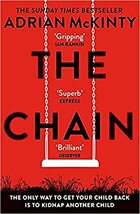
Adrian McKinty, The Chain, Orion, 2020 (Kindle version, Chapter 1) The doors power lock and Kylie curses herself for missing a chance. She could have unclicked the seat belt, opened the door, rolled out. Blind panic is beginning to overwhelm her. |
|
Action beats
Action beats help readers imagine how a character is physically behaving and can give us insights into the environment and the person’s traits. They bring movement to a scene.
Perhaps a viewpoint character stands up because the overly soft chair is making their sciatica play up; maybe an object’s being discussed, and they push it away in disgust; or perhaps they rub their bare feet across the rough pile of a rug in order to soothe themselves in an unformattable situation.
These beats are particularly useful when an author wants to convey emotions being experienced by a non-viewpoint character whose internal head-space isn’t accessible in limited narrative styles. Perhaps wiping sweat off their forehead indicates they’re feeling nervous, or their fidgeting with a beer mat indicates boredom.
Perhaps a viewpoint character stands up because the overly soft chair is making their sciatica play up; maybe an object’s being discussed, and they push it away in disgust; or perhaps they rub their bare feet across the rough pile of a rug in order to soothe themselves in an unformattable situation.
These beats are particularly useful when an author wants to convey emotions being experienced by a non-viewpoint character whose internal head-space isn’t accessible in limited narrative styles. Perhaps wiping sweat off their forehead indicates they’re feeling nervous, or their fidgeting with a beer mat indicates boredom.
|
Example from published fiction
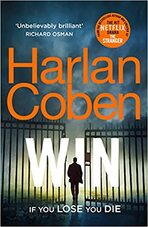
Harlan Coben, Win, Arrow, 2021 (Kindle edition, Chapter 1) "You're a little slow, aren't you, Teddy?" I sigh. "No, I won't excuse you. There is no excuse for you. Are you with me now?" The scowl slowly returns to his face. "You got a problem?" |
|
Inaction beats
Inaction beats are pauses, hesitations and moments of silence or stillness. Even when these are short, they help the reader understand pace. They bring breathing space to a scene.
They’re powerful because they can show rather than tell more than one character’s contemplation, consideration, indecision, or shock. The prose might state the stillness or silence directly, or it can be nuanced and come in the form of a character’s taking stock of a situation or bracing themselves for a potential upset.
They’re powerful because they can show rather than tell more than one character’s contemplation, consideration, indecision, or shock. The prose might state the stillness or silence directly, or it can be nuanced and come in the form of a character’s taking stock of a situation or bracing themselves for a potential upset.
|
Example from published fiction
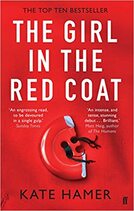
Kate Hamer, The Girl in the Red Coat, Faber & Faber, 2015 (Kindle edition, Chapter 6) When I wake up in the morning everything's wonderful. For a moment I can't understand why. Then I remember: Mum's said if the weather's good we can go to the storytelling festival and that's today. |
|
Description beats
Description beats give readers objective information about the character or environment. They bring stability to a scene.
They help readers understand what characters are wearing, what they look like, what’s surrounding them, what they can hear, see, smell, touch or taste. That brings the scene alive.
They help readers understand what characters are wearing, what they look like, what’s surrounding them, what they can hear, see, smell, touch or taste. That brings the scene alive.
|
Example from published fiction
Harlan Coben, Win, Arrow, 2021 (Kindle edition, Chapter 1) His name is Teddy Lyons. He is one of the too-many assistant coaches on the South State bench. He is six foot eight and beefy, a big slab of aw-shucks farm boy. Big T—that's what he likes to be called—is thirty-three years old, and this is his fourth college coaching job. From what I understand, he is a decent tactician but excels at recruiting talent. |
|
Dialogue beats
Dialogue beats tell readers what characters are saying and let readers hear those distinct voices in action. Vocal speech can be heard, and so dialogue beats bring expression to a scene.
Like action beats, dialogue is an opportunity to bring depth to non-viewpoint characters in limited narrative styles. Their internal opinions and feelings – which we don’t have access to because we’re not in their heads – are revealed to us.
Like action beats, dialogue is an opportunity to bring depth to non-viewpoint characters in limited narrative styles. Their internal opinions and feelings – which we don’t have access to because we’re not in their heads – are revealed to us.
|
Example from published fiction
Adrian McKinty, The Chain, Orion, 2020 (Kindle version, Chapter 1) “What should I tell her?” the man asks. “Don’t tell her anything. Tell her to shut the hell up,” the woman replies. “You need to be quiet, Kylie,” the man says. |
|
Why mixing up beats makes scenes more interesting
Too much of anything is rarely a good thing, and the same applies to a novel’s beats. When a scene’s constructed primarily around a particular type of beat, there’s a risk the reader will become frustrated and lose interest.
Writers and their publishing teams can use the drafting and editing stages to analyse the prose and evaluate whether there’s sufficient balance.
Writers and their publishing teams can use the drafting and editing stages to analyse the prose and evaluate whether there’s sufficient balance.
How to analyse a scene for beat balance
Must all 5 beats be introduced? No, certainly not. There’s no formula to writing compelling fiction. Good line craft means making a judgement about what’s missing and what might be added.
Approach 1
One way of approaching this is to think not in terms of the different types of beats but instead in terms of what they contribute, and whether there’s too much or too little.
And so writers and their editors can ask: Which of the following should the reader experience in this scene, and are they present? Here’s a summary of those elements:
Approach 1
One way of approaching this is to think not in terms of the different types of beats but instead in terms of what they contribute, and whether there’s too much or too little.
And so writers and their editors can ask: Which of the following should the reader experience in this scene, and are they present? Here’s a summary of those elements:
- Sensibility (via emotion beats)
- Movement (via action beats)
- Breathing space (via inaction beats)
- Stability (via description beats)
- Expression (via dialogue beats)
Example: Is too much expression dampening the scene?
An over-reliance on dialogue – even if it’s extremely well written – leaves a reader with no nudges about the emotions characters are experiencing or the environment they’re operating in. It’s two or more talking heads on a page.
If there should be expression in the scene, but the characters are chattering too much, think how you might turn the volume down, or at least disrupt it.
Consider introducing a few action, description and emotion beats. Or even turn some of the information contained within the speech into narrative.
An over-reliance on dialogue – even if it’s extremely well written – leaves a reader with no nudges about the emotions characters are experiencing or the environment they’re operating in. It’s two or more talking heads on a page.
If there should be expression in the scene, but the characters are chattering too much, think how you might turn the volume down, or at least disrupt it.
Consider introducing a few action, description and emotion beats. Or even turn some of the information contained within the speech into narrative.
Example: Is too much stability flattening the scene?
An over-reliance on objective description – even if it gives the reader a rich sense of the environment – leaves readers with no way of accessing mood. It’s a menu of what’s where.
Description should stabilise the scene, not crush it so that it’s as flat as a pancake.
Help readers get under the skin of the characters and their environment by adding emotion or dialogue, or a little action that gives the scene some movement.
An over-reliance on objective description – even if it gives the reader a rich sense of the environment – leaves readers with no way of accessing mood. It’s a menu of what’s where.
Description should stabilise the scene, not crush it so that it’s as flat as a pancake.
Help readers get under the skin of the characters and their environment by adding emotion or dialogue, or a little action that gives the scene some movement.
Example: Is too much sensibility overwhelming the scene?
An over-reliance on emotion can be draining and doesn’t give the reader the chance to take a breath. It’s like a counselling session.
If there should be emotion, but a character’s self-absorption is swamping a reader’s ability to make sense of the environment, introduce description and action beats to ground the reader a little more objectively.
An over-reliance on emotion can be draining and doesn’t give the reader the chance to take a breath. It’s like a counselling session.
If there should be emotion, but a character’s self-absorption is swamping a reader’s ability to make sense of the environment, introduce description and action beats to ground the reader a little more objectively.
|
Approach 2
Another option is to colour-code the text in a scene according to what type of beats are in play. This can help authors and editors evaluate whether one type of beat is overbearing, and where they might add in additional types of beat to disrupt that dominance. It's a powerful way of communicating the problem visually and quickly. |
|
I've carried out a sample scene analysis using this method with a stunning excerpt from SA Cosby’s Razorblade Tears. Use the button below to get your free copy.
Summing up
Using different types of beats in a scene helps readers to understand where the character is, what’s around them, how they feel and what’s important to them. Over-reliance on one type can lead to boredom and frustration; mix things up to keep them interested and turning the page.
Other resources you might like
- Editing Fiction at Sentence Level: book
- Fiction editing line craft: books
- How to Line Edit for Suspense: multimedia course
- How to Write the Perfect Editorial Report: multimedia course
- Narrative Distance: multimedia course
- Resource library
- Switching to Fiction: multimedia course
Louise Harnby is a line editor, copyeditor and proofreader who specializes in working with crime, mystery, suspense and thriller writers.
She is an Advanced Professional Member of the Chartered Institute of Editing and Proofreading (CIEP), a member of ACES, a Partner Member of The Alliance of Independent Authors (ALLi), and co-hosts The Editing Podcast.
She is an Advanced Professional Member of the Chartered Institute of Editing and Proofreading (CIEP), a member of ACES, a Partner Member of The Alliance of Independent Authors (ALLi), and co-hosts The Editing Podcast.
- Get in touch: Louise Harnby | Fiction Editor & Proofreader
- Connect: Twitter at @LouiseHarnby, Facebook and LinkedIn
- Learn: Books and courses
- Discover: Resources for authors and editors
Love Twitter for engaging with other editorial and language professionals? We've got one tip for you: Don't engage with content you hate.
Summary of Episode 103
- How Google's algorithm works
- How Twitter's algorithm works
- Why tweeting about content you hate makes it more visible on Twitter and on the web
- Why tweeting about content you hate means you're assisting the creator with marketing
- Using Twitter to elevate the content you love and the causes you care about
Related resources
- Editor Website Essentials (multimedia course)
- Emotional Marketing that Gets Editors Work (multimedia course)
- Marketing Toolbox for Editors (multimedia course)
- Resource library for editors, proofreaders and writers
- Social Media for Business Growth (multimedia course)
Join our Patreon community
If you'd like to support The Editing Podcast, thank you! That means the world to us.
Music credit
'Vivacity’ by Kevin MacLeod
- Link: https://filmmusic.io/song/4593-vivacity
- Licence: http://creativecommons.org/licenses/by/4.0/
Louise Harnby is a line editor, copyeditor and proofreader who specializes in working with crime, mystery, suspense and thriller writers.
She is an Advanced Professional Member of the Chartered Institute of Editing and Proofreading (CIEP), a member of ACES, a Partner Member of The Alliance of Independent Authors (ALLi), and co-hosts The Editing Podcast.
She is an Advanced Professional Member of the Chartered Institute of Editing and Proofreading (CIEP), a member of ACES, a Partner Member of The Alliance of Independent Authors (ALLi), and co-hosts The Editing Podcast.
- Get in touch: Louise Harnby | Fiction Editor & Proofreader
- Connect: Twitter at @LouiseHarnby, Facebook and LinkedIn
- Learn: Books and courses
- Discover: Resources for authors and editors
Find out why the concept of conscious language is foundational to professional fiction-editing practice.
What’s in this post …
- What is ‘conscious language’?
- ‘But I’m not part of the “woke” brigade’
- The foundations of editing
- Are you part of the professional editing brigade?
- Why conscious language is also about successful authoring
- Why conscious language is about consideration rather than prescription
- A case study
- Helping our clients
- Tools that help with conscious language
What is ‘conscious language’?
Karen Yin, founder of Conscious Style Guide, defines conscious language as ‘language rooted in critical thinking and compassion, used skilfully in a specific context'. Using conscious language involves, she says, asking ourselves the following:
- Who is my audience?
- What tone and level of formality do I want?
- What am I trying to achieve?
- How might history change the impact of my language choices regardless of my intentions?
- Who’s being excluded?
‘But I’m not part of the “woke” brigade’
Conversations about ‘conscious language’ are welcomed by many in the editing community. Now and then, however, these result in references being made to the ‘woke brigade’ from some quarters.
Oxford Dictonaries defines ‘woke’ as:
Oxford Dictonaries defines ‘woke’ as:
Alert to injustice and discrimination in society, especially racism.
Merriam-Webster suggests:
Aware of and actively attentive to important facts and issues (especially issues of racial and social justice).
Neither mention that the term is sometimes used as a slur against people who are judged to be overly politically correct, over-sensitive, overly concerned with not offending, overly prescriptive.
So must editors be ‘woke’? How we answer that will depend on what we think editors are supposed to do.
The foundations of editing
Editing at its very foundations requires us to actively think about the words on the page and whether they’re doing what the author intends.
Since how we approach language will be influenced by the bubble of our own lived experience, editorial practice requires listening to others who offer alternative insights – ones we were perhaps previously unaware of – into the meaning of words and the consequences of their use.
It means allowing our prior assumptions to be challenged, to consider that what we thought we understood might need revising.
And it means opening our minds to the opportunities that are already alive in the English language – words that explain rather than exclude, and that are rich in both sense and sensibility.
If, like me, you’re not keen on the term ‘woke’ because its negative usage has become a distraction, try an alternative.
My preference is ‘professional editor’.
Since how we approach language will be influenced by the bubble of our own lived experience, editorial practice requires listening to others who offer alternative insights – ones we were perhaps previously unaware of – into the meaning of words and the consequences of their use.
It means allowing our prior assumptions to be challenged, to consider that what we thought we understood might need revising.
And it means opening our minds to the opportunities that are already alive in the English language – words that explain rather than exclude, and that are rich in both sense and sensibility.
If, like me, you’re not keen on the term ‘woke’ because its negative usage has become a distraction, try an alternative.
My preference is ‘professional editor’.
Are you part of the professional editing brigade?
Conscious language serves authors – the people who pay editors – and serves readers – the people who pay authors.
The professional editor who isn’t alert to wording that distracts from the message rather than amplifying that message isn’t doing the job that a professional editor is supposed to do: being paid to help the author prepare their book for readers.
And so regardless of the editor’s personal opinion on this word or that word, regardless of whether the editor uses the term ‘woke’ to describe their mindset or to cast a slur, there’s a business case for conscious language.
The professional editor can’t sidestep that because it’s not about us, and it’s not our book. It’s about the author, and it’s their book.
The professional editor who isn’t alert to wording that distracts from the message rather than amplifying that message isn’t doing the job that a professional editor is supposed to do: being paid to help the author prepare their book for readers.
And so regardless of the editor’s personal opinion on this word or that word, regardless of whether the editor uses the term ‘woke’ to describe their mindset or to cast a slur, there’s a business case for conscious language.
The professional editor can’t sidestep that because it’s not about us, and it’s not our book. It’s about the author, and it’s their book.

Why conscious language is also about successful authoring
Readers aren’t homogenous – they don’t all live in the same country, speak the same English, or spell with the same letters. They aren’t wrapped in the same skin, don’t share the same sexual orientation, practise the same faith, have identical anatomies or have one set of homogenous secondary sex characteristics.
Most authors want to sell as many books as they can. That means engaging as many readers as they can. Engaged readers focus their attention on story. Novels containing words and phrases that distract from story, rather amplifying it, don’t serve authors.
Deliberately reviewing novels for words and phrases that might disengage a chunk of the potential readership is therefore nothing more than good commercial practice, and it’s the editor’s job to support the author who’s striving to create something that will give them a return on their investment.
Most authors want to sell as many books as they can. That means engaging as many readers as they can. Engaged readers focus their attention on story. Novels containing words and phrases that distract from story, rather amplifying it, don’t serve authors.
Deliberately reviewing novels for words and phrases that might disengage a chunk of the potential readership is therefore nothing more than good commercial practice, and it’s the editor’s job to support the author who’s striving to create something that will give them a return on their investment.
Why conscious language is about consideration rather than prescription
When we ask our clients to consider the impact of a particular word, we’re not prescribing ‘right’ or ‘wrong’. We’re helping them make informed decisions predicated on an acknowledgement that not all words in the English language have a single, universally accepted meaning.
The meaning we attach to some words might differ depending on, for example, where we live, how old we are, and how we’re racialised, sexualized and gendered by others. In other words, what I mean when I use a word might not be what you mean when you use that word.
The meaning we attach to some words might differ depending on, for example, where we live, how old we are, and how we’re racialised, sexualized and gendered by others. In other words, what I mean when I use a word might not be what you mean when you use that word.
A case study
My author is a white British man. I know very little else about his identity but I’ve line edited two books for him and thoroughly enjoyed every moment. In the second project, a viewpoint character uses the word ‘thug’ to describe an unpleasant minor character.
In Britain, the word ‘thug’ isn’t racialized (at the time of writing and as far as I’m aware) – meaning the term isn’t typically assigned to a particular racial group. That’s not the case in America, where, I’ve learned, the term is heavily racialized.
My author is British. His characters are British. His book’s setting is Britain. The term ‘thug’ in that context therefore doesn’t jar … as long as we view the project within that bubble of author–character–location.
However, that’s potentially problematic. There’s something missing from that bubble: the people who’ll determine whether my author’s book is a commercial success – readers.
My author’s keen to sell his books all over the world, including into America, and for that reason I suggested some alternatives to the word ‘thug’, and explained why I think he’d do well to choose one of them.
The choice was his because it’s his book. And he decided to heed the guidance because both books I’ve worked on have explored the impact of predatory behaviour and abuse.
He writes with compassion and mindfulness, and says he doesn’t want to include a word in his book that might distract one of his American readers unless it’s critical to the character’s arc. And in doing so he's considered:
My author is a white British man. I know very little else about his identity but I’ve line edited two books for him and thoroughly enjoyed every moment. In the second project, a viewpoint character uses the word ‘thug’ to describe an unpleasant minor character.
In Britain, the word ‘thug’ isn’t racialized (at the time of writing and as far as I’m aware) – meaning the term isn’t typically assigned to a particular racial group. That’s not the case in America, where, I’ve learned, the term is heavily racialized.
My author is British. His characters are British. His book’s setting is Britain. The term ‘thug’ in that context therefore doesn’t jar … as long as we view the project within that bubble of author–character–location.
However, that’s potentially problematic. There’s something missing from that bubble: the people who’ll determine whether my author’s book is a commercial success – readers.
My author’s keen to sell his books all over the world, including into America, and for that reason I suggested some alternatives to the word ‘thug’, and explained why I think he’d do well to choose one of them.
The choice was his because it’s his book. And he decided to heed the guidance because both books I’ve worked on have explored the impact of predatory behaviour and abuse.
He writes with compassion and mindfulness, and says he doesn’t want to include a word in his book that might distract one of his American readers unless it’s critical to the character’s arc. And in doing so he's considered:
- who his audience is
- what he's trying to achieve
- how history AND geography affect the impact of his language choices regardless of his intentions
- those who might be excluded if he weren't to consider other options.
Helping our clients
A conscious-language approach to editing therefore helps us to help our clients. We can share the knowledge we’ve acquired from our colleagues in the publishing community, knowledge that our authors might not be aware of.
And in doing so, they can publish a book that keeps its audience wanting to turn the pages rather than rip them out.
Summing up
If you think conscious language is a load of old ‘woke’ codswallop, consider whether editing is the right job for you. Editors are required at the very core of their practice to consider the purpose and effectiveness of the words in front of them.
That doesn’t mean we have to know it all – we can’t, not least because the language landscape is always in flux. It does mean we have to be ready to listen, learn, and advise so that our clients can make informed – conscious – decisions.
And we don’t have to do it alone. There’s a large and diverse community of editors and writers who are with us on that journey, and tools to help us improve our practice.
That doesn’t mean we have to know it all – we can’t, not least because the language landscape is always in flux. It does mean we have to be ready to listen, learn, and advise so that our clients can make informed – conscious – decisions.
And we don’t have to do it alone. There’s a large and diverse community of editors and writers who are with us on that journey, and tools to help us improve our practice.
Tools that help with conscious language
Listen to podcast episodes and download a free booklet with links to useful resources created by people in the publishing community who are passionate about language and alert to its power.
|
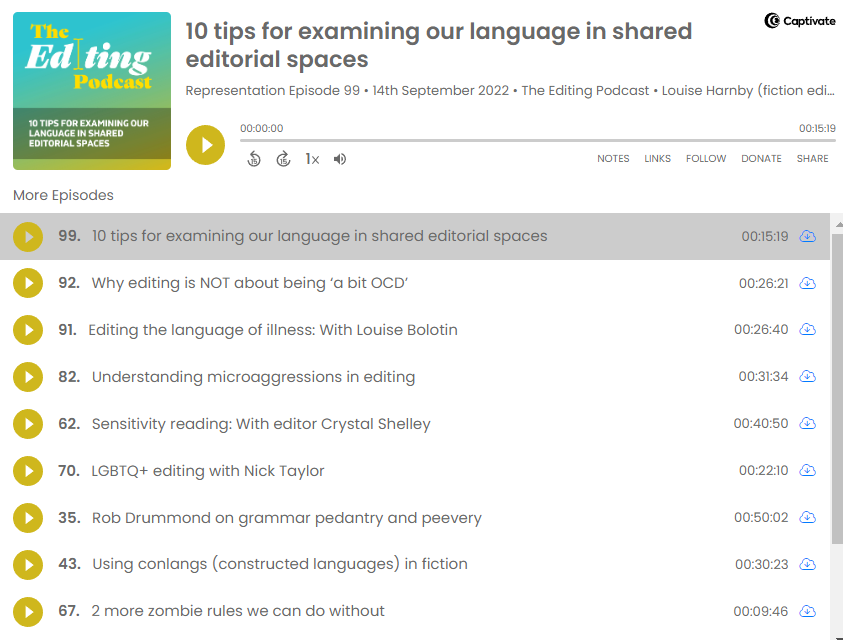
|
Louise Harnby is a line editor, copyeditor and proofreader who specializes in working with crime, mystery, suspense and thriller writers.
She is an Advanced Professional Member of the Chartered Institute of Editing and Proofreading (CIEP), a member of ACES, a Partner Member of The Alliance of Independent Authors (ALLi), and co-hosts The Editing Podcast.
She is an Advanced Professional Member of the Chartered Institute of Editing and Proofreading (CIEP), a member of ACES, a Partner Member of The Alliance of Independent Authors (ALLi), and co-hosts The Editing Podcast.
- Get in touch: Louise Harnby | Fiction Editor & Proofreader
- Connect: Twitter at @LouiseHarnby, Facebook and LinkedIn
- Learn: Books and courses
- Discover: Resources for authors and editors

PDF MARKUP
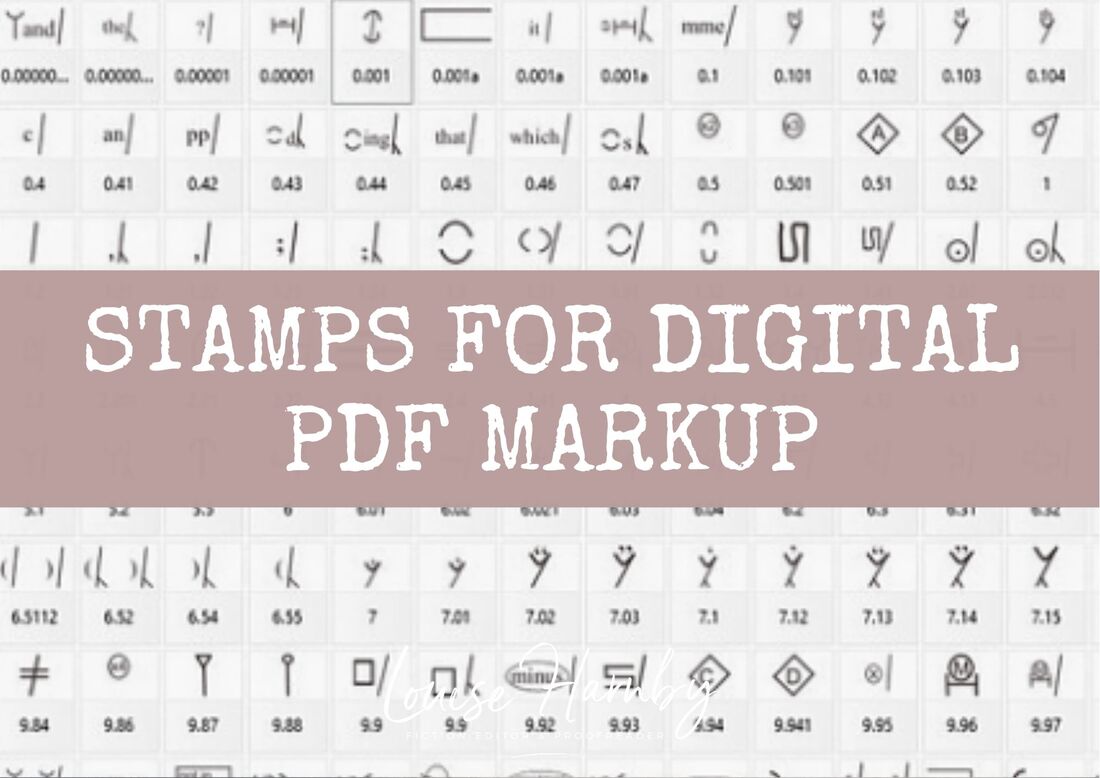
AUTHOR RESOURCES
EDITOR RESOURCES

TESTIMONIALS
Dare Rogers
'Louise uses her expertise to hone a story until it's razor sharp, while still allowing the author’s voice to remain dominant.'
Jeff Carson
'I wholeheartedly recommend her services ... Just don’t hire her when I need her.'
J B Turner
'Sincere thanks for a beautiful and elegant piece of work. First class.'
Ayshe Gemedzhy
'What makes her stand out and shine is her ability to immerse herself in your story.'
Salt Publishing
'A million thanks – your mark-up is perfect, as always.'
CATEGORIES
All
Around The World
Audio Books
Author Chat
Author Interviews
Author Platform
Author Resources
Blogging
Book Marketing
Books
Branding
Business Tips
Choosing An Editor
Client Talk
Conscious Language
Core Editorial Skills
Crime Writing
Design And Layout
Dialogue
Editing
Editorial Tips
Editorial Tools
Editors On The Blog
Erotica
Fiction
Fiction Editing
Freelancing
Free Stuff
Getting Noticed
Getting Work
Grammar Links
Guest Writers
Indexing
Indie Authors
Lean Writing
Line Craft
Link Of The Week
Macro Chat
Marketing Tips
Money Talk
Mood And Rhythm
More Macros And Add Ins
Networking
Online Courses
PDF Markup
Podcasting
POV
Proofreading
Proofreading Marks
Publishing
Punctuation
Q&A With Louise
Resources
Roundups
Self Editing
Self Publishing Authors
Sentence Editing
Showing And Telling
Software
Stamps
Starting Out
Story Craft
The Editing Podcast
Training
Types Of Editing
Using Word
Website Tips
Work Choices
Working Onscreen
Working Smart
Writer Resources
Writing
Writing Tips
Writing Tools
ARCHIVES
April 2024
March 2024
October 2023
August 2023
July 2023
June 2023
May 2023
April 2023
March 2023
January 2023
December 2022
November 2022
October 2022
September 2022
August 2022
July 2022
June 2022
May 2022
April 2022
March 2022
February 2022
January 2022
December 2021
November 2021
October 2021
September 2021
August 2021
July 2021
June 2021
May 2021
April 2021
March 2021
February 2021
January 2021
December 2020
November 2020
October 2020
September 2020
August 2020
July 2020
June 2020
May 2020
April 2020
March 2020
February 2020
January 2020
December 2019
November 2019
October 2019
September 2019
August 2019
July 2019
June 2019
May 2019
April 2019
March 2019
February 2019
January 2019
December 2018
November 2018
October 2018
September 2018
August 2018
July 2018
June 2018
May 2018
April 2018
March 2018
February 2018
January 2018
December 2017
November 2017
October 2017
September 2017
August 2017
July 2017
June 2017
May 2017
April 2017
March 2017
February 2017
January 2017
December 2016
November 2016
October 2016
September 2016
June 2016
May 2016
April 2016
March 2016
February 2016
January 2016
December 2015
November 2015
October 2015
September 2015
July 2015
June 2015
May 2015
March 2015
February 2015
January 2015
November 2014
October 2014
September 2014
August 2014
July 2014
June 2014
March 2014
January 2014
November 2013
October 2013
September 2013
August 2013
June 2013
February 2013
January 2013
November 2012
October 2012
September 2012
August 2012
July 2012
June 2012
May 2012
April 2012
March 2012
February 2012
January 2012
December 2011
 RSS Feed
 |

|

|

|

|
|
|
|

© 2011–2024 Louise Harnby