

|
Not every reader can stomach violence in fiction, and not every writer wants to go the whole hog with it. Here are two ways to approach it: compressed reporting after the fact; and showing it all as it happens.
Compressed reporting after the fact
Reporting the outcome of violence after the fact can be a superb alternative to detailed descriptions that might upset or sicken authors and their readers. This technique is used on the screen too. In Series 5, Episode 3 of Line of Duty (BBC1), the perpetrator breaks into the home of a core character’s ex-wife. The transgressor proceeds to torture the victim. There’s a drill involved and lots of screaming. It’s gross. Well, it would be if we saw it. But we don’t. All we see is the outcome. The ex-wife lies in a hospital bed, bandaged from head to toe. We glimpse patches of skin, her flesh swollen and angry. Her face is physically untouched though trauma is etched into it. And even the slightest movement results in a whimper and a wince; despite the medication, she’s in pain. All we know so far is that something awful has happened to her but we don’t know what. The scene cuts to two police officers listening to an audio file of the torture. Now we hear the drill and the screams. The officers play a little of the audio then switch it off and express their horror. A phone conversation with the victim’s husband ensues and we discover a little more about what’s been done to the woman. They finish the call and discuss the crime between themselves. Then the audio’s back and we hear a few more snatches. Off again, and there’s more analysis. It’s a powerful rendition of extreme violence that protects viewers from the gory detail but leaves us in no doubt about the suffering that’s been endured. This method can work just as beautifully in a novel. It’s not that the violence is diminished but that we access less of it. Harlan Coben’s Run Away (Century, 2019, pp. 68–9) provides an excellent example. Aaron, a corrupt and possessive junkie, has been murdered. Coben elects not to show us the violence as it plays out. Instead, we learn what happened via a later conversation between Simon and Ingrid.
Two things stand out about this scene:
Cosies are a subgenre that bend particularly well to compressed after-the-fact reporting. Yes, people get hurt and die in grisly ways but most of the horror is left to the imagination. Here’s an example from Emily Brightwell’s The Inspector and Mrs Jeffries (C&R Crime, 2013, pp. 1–3):
Brightwell focuses on the impact of the poison on the body; unlike in the Line of Duty screen example, there’s nothing that tells us about the suffering endured. That’s the cosy way. And as with the Coben example, the implied violence is balanced by dialogue that unveils character personality. It’s not just the readers who shy away from the horror; Inspector Witherspoon does too. We also learn how he’s perceived by others in the scene – as a bumbling buffoon who can’t see the obvious. This sets the scene nicely for Mrs Jeffries’ more capable intervention later on in the novel. Showing it all as it happens Some acts of violence – such as fight scenes – work best when we’re shown everything as it plays out. Rendering a fight after the fact (as in the examples above) would destroy the dramatic tension. Still, a fight scene needs to hold the reader’s attention. That means paying attention to pacing and providing just enough stage direction to enable the reader to understand the choreography. This extract from The Poison Artist by Jonathan Moore (Orion, 2014, pp. 244–5) appealed to me because it avoids high-octane, kickass tropes. Rather, the author captures the transgressor’s mysterious sensuality in the violent narrative. Her psychotically calm speech and composed movements have an ethereal quality. In sharp contrast, the protagonist’s actions are punctuated with sentence fragments that elevate the pace and introduce tension.
Moore, like Coben, doesn’t overwork it. The scene never drags even though the pace changes depending on who we’re watching. Here’s a high-octane example from Robert Ludlum’s The Matlock Paper (Orion, 1973/2005, pp. 268–9). Ludlum never bores us, just tells us straight. The pace is quick and every word counts.
Ludlum keeps the stage direction lean and the pace consistent. But I also love how he introduces the earth and rain into the narrative, but only briefly. The weather doesn’t distract us. The mentions are just enough to ground the violence in a physical environment that can be felt and heard; the men aren’t fighting in white space. Lean is good but not too lean! Omitting the detail would render the scene inauthentic. Imagine reading this:
Lamaison saw his chance, and he took it. But Reacher was ready and took him down. Game over.
Really? So how did he manage that? Was is that easy? Jack Reacher’s good but he’s human. Readers still need to know how he won the day, how he was challenged, what obstacles he had to overcome. That way we can rally behind him. Here’s the real extract from Lee Child’s Bad Luck and Trouble (Bantam, 2007, p. 492). Child gives us the detail, shows us the choreography of the fight, but it’s focused. None of the steps are repeated so we don’t get bored.
Child uses sentence fragments to accelerate the pace, and polysyndeton to introduce a sense of rampancy. And he deepens our interest by shifting the narrative distance – we move from observers in the wings to right inside Reacher’s head. Summing up For showing-it-all violence:
For reporting-after-the-fact violence:
A final word. If your scenes of violence include weapons or specialist fighting techniques, do your research. Some of your readers will know their guns and martial arts. Placing suppressors on pistols that don’t take them or getting your martial arts moves wrong will pull readers out of your story and provide the pedants with excuses to knock stars off your Amazon reviews. Further reading
Louise Harnby is a line editor, copyeditor and proofreader who specializes in working with independent authors of commercial fiction, particularly crime, thriller and mystery writers.
She is an Advanced Professional Member of the Society for Editors and Proofreaders (SfEP), a member of ACES, a Partner Member of The Alliance of Independent Authors (ALLi), and an Associate Member of the Crime Writers’ Association (CWA).
4 Comments
If you’re looking for ways to inject some drama into your novel’s sentences, omitting filter words could be just the ticket. Do so judiciously though. Including them can add texture to mood and voice.

What are filter words?
Filter words are verbs that increase the narrative distance, reminding us that what we’re reading is being told by someone rather than experienced, or shown, through the eyes of the character. Examples include noticed, seemed, spotted, saw, realized, felt, thought, wondered, believed, knew, decided. I see more extensive filtering in books written by less experienced novelists who’ve not yet learned to trust their characters’ voices, who are uncomfortable about playing with devices such as free indirect style, or who are still learning the craft of injecting drama into narrative. I’ve taken some examples from published fiction and introduced filtering so you can see the difference, and how by avoiding filter words the writers have brought immediacy to their narratives:
When filter words distract
Filter words – particularly when they’re used as a narrative staple – tap the reader on the shoulder and say, ‘You’re not in this book. Someone else is experiencing this.’ They’re a reminder that doing is being done. Of course, we as readers know this to be true. Still, there’s nothing like immersing yourself in a character’s journey. Here’s an extreme example I made up:
John realized he needed to tell Marie. He’d wondered about how awful it would be. He’d long felt the weight of guilt bearing down on him, but now he’d decided it was time to let that go. He’d become aware that he’d fallen out of love with her months earlier and thought about what had gone wrong between them as soon as Mark had come into their lives.
He recalled their most recent argument and felt himself shudder. He’d looked on as she’d screamed abuse at him, seen the spittle fly from her mouth. He’d felt sadness at first but that had turned to fear when he’d seen her pick up a knife from the table. The text is horribly laboured – overly cluttered with doing being done. When confronted with a novel filled with filtering, readers will be tempted to skim, which means they might miss something crucial. A worst-case scenario is that they’ll give up because it’s not an enjoyable experience. Now let’s tighten it up by removing the filter words:
John was dreading telling Marie. The guilt had been eating him alive, but he was done with that. He’d fallen out of love with her months earlier, Mark’s entrance into their lives the trigger.
He shuddered, recalling their most recent argument. At first, there’d been only sadness as she screamed abuse at him, spittle flying from her mouth, but that had turned to fear when she’d reached for the knife on the table. We’ve lost none of the detail but now the prose is more emotionally immersive. We can better feel John’s predicament because we’re not repeatedly told that he’s doing the doing. It’s narration that feels less narrated. When filter words add texture I’m not suggesting you ban all filter words. When used intentionally they have a layering effect that can enrich a novel.
The Mackintosh example above is in first person. I think my filtered version works; it’s just different. Or perhaps it would be stronger with only one of the filters. Either way, one might argue that it imparts a deeper sense of the character’s scouring the envelope for clues. I still prefer Mackintosh’s approach because I like my crime fiction on the nose, but the experiment demonstrates that filter words aren’t wrong or right, but rather devices you can use to play with the reader’s experience of your story and the characters moving around within it. Here’s an example from Philip Prowse’s Hellyer’s Trip, p. 194:
Then the interrogation ceased. He knew he should have been scratching lines on the cell walls to mark the passing of time. But what was the point? He wasn’t the Count of effing Monte Cristo.
Prowse uses a filter word here: knew. He then follows through with free indirect style to close the narrative distance and take us right inside the character’s head while still maintaining a third-person viewpoint. So let’s look at what happens when we remove ‘He knew’.
Then the interrogation ceased. He should have been scratching lines on the cell walls to mark the passing of time. But what was the point? He wasn’t the Count of effing Monte Cristo.
I think the unfiltered version works very well but it does change the feel of the writing. Gone is the sense of deliberation. All four sentences are immediate. To my ear, the rhythm accelerates. And although there’s a feel of telling with the inclusion of ‘He knew’ in the published version, there’s also an increased sense of despondency, as if the character has had time to think this over and arrive at this knowledge. I mentioned character voice above. Here are two examples from Play Dead by David Rosenfelt:
When the movie is over, I realize I haven’t called Karen to ask if she can put me in touch with Keith Franklin. (p. 111)
Rosenfelt’s writing is tight. He never drops a beat. When he uses a filter word it’s with intention. Those who’ve read the Andy Carpenter series will know that this fictional attorney’s voice drips with a delicious acerbity, and the character thinks, acts and speaks with purpose. When we’re told he realizes something it’s because the author wants us to have a sense of dawning awareness, not because he couldn’t be bothered to cast the sentence in a way that avoided it.
I’m so pissed at Vince that I don’t talk to him for the twenty-minute ride to our destination. He spends most of the time whistling and listening to the Mets game; I don’t think my silent treatment is bringing him to his knees. (p. 163)
Most of the time, Rosenfelt avoids filter words: ‘I’m so pissed …’ not ‘I feel so pissed …’; ‘He spends most of the time …’ not ‘I listen to him …’. However, he chooses to tag ‘I don’t think’ onto the beginning of the final sentence rather than going with something like ‘My silent treatment isn’t bringing him to his knees.’ And, actually, the protagonist’s thinking is what deepens the voice and the immediacy. Summing up To keep your prose tight, look out for filter words that tell of doing being done. Then consider whether a gentle recast without them will improve your prose. How does the revised text make you feel? Is the meaning still clear? Is the mood you’re seeking evident? If the prose feels more dramatic and immersive, you’ve done your novel and your readers a favour. If you lose something in the revision, like voice, mood or intention, reintroduce your filters at the appropriate points.
Louise Harnby is a line editor, copyeditor and proofreader who specializes in working with crime, mystery, suspense and thriller writers.
She is an Advanced Professional Member of the Chartered Institute of Editing and Proofreading (CIEP), a member of ACES, a Partner Member of The Alliance of Independent Authors (ALLi), and co-hosts The Editing Podcast. Visit her business website at Louise Harnby | Fiction Editor & Proofreader, say hello on Twitter at @LouiseHarnby, connect via Facebook and LinkedIn, and check out her books and courses.
Adverbs and adverbial phrases sometimes get a bit of a pummelling, and yet they needn’t intrude and shouldn’t be removed indiscriminately. An adverb is no more likely to spoil a sentence than a poorly chosen adjective or noun.
Use them purposefully in your writing when they bring clarity, but remove them when they create clunk. 
Are there rules? You won’t find any in this article, just common-sense guidance to help beginner writers make informed decisions.
The fiction writer – and the fiction editor – who takes a formulaic approach to the treatment of adverbs is heading for trouble. A note on form Not all adverbs end in –ly (e.g. backwards, inside) and not all words ending in –ly are adverbs (e.g. deadly is an adjective and anomaly is a noun). That’s one good reason not to eradicate all –ly words from your writing. To work out whether a word or phrase is behaving adverbially, focus on what it’s modifying not on how it’s spelled. Verb and adverbs – a quick refresher A verb is a doing word; it describes a physical or mental action or state of being.
An adverb is a word that describes a verb (just as an adjective describes a noun).
An adverbial phrase behaves in the same way but uses two or more words to describe the verb (or verb phrase).
Clunk: Telling us what we already know from dialogue Here are four examples where the adverb (in bold) attached to the speech tag is redundant because the information in the dialogue does the same job:
These aren’t rules but guidelines. Test it. Remove the adverb and read the sentence aloud. Is the intention still clear from the dialogue you’ve written? If so, great – you can lose the adverb. If it’s not, can you recast the dialogue? Consider the following:
In (1), dialogue and supporting speech tag seem a little flat. In (2), the adverb helps us to understand John’s mood. In (3), we lose the adverb but the mood intention is supplied by the additional dialogue. In (4), the adverb repeats the mood intention. None of above four examples is grammatically incorrect, but (1) is possibly underwritten and (4) is definitely overwritten. Context is everything though. If you’re writing a high-octane crime-thriller scene in which the pace is fast and furious, (1) might just be perfect, (2) and (3) would slow the reader down, and (4) would still be a non-starter. Clunk: Telling us what we already know from the speech tag Here are three examples where the adverb (in bold) is redundant because the verb (in italic) provides the same information:
Beginner writers sometimes trip up with double tells in speech tags because they’re trying not to overuse ‘said’. A replacement verb is introduced but the clarifying adverb (which served to give intention to ‘said’) is left intact even though it’s no longer needed.
‘Said’ is a rather delicious speech tag because it’s almost invisible. (For an examination of tagging, read: ‘Dialogue tags and how to use them in fiction writing’.) Readers are so used to seeing ‘said’ that they slide over it without a glance. And that means they stay immersed in the conversation on the page, which if you’re writing dialogue is exactly where you want them. Clunk: Telling us what we already know from the verb Here are three examples where the adverb or adverbial phrase (in bold) is redundant because the verb (in italic) provides similar information in the narrative:
Slips like these can occur because the writer is still learning to trust their reader. They fear there are too few words or that the description isn’t rich enough. And sometimes writers just run away with themselves, so deeply are they immersed in the world they’ve created and what their characters are experiencing. This is why drafting and redrafting are so important, and why a fresh set of professional eyes can give the writer courage. I hire people to check most of my own writing because I know that even when I’m writing educational non-fiction I’m so desperate to get my point across that I can sometimes end up in a right old tangle! Self-editing is hard – professional editors know this. Don’t beat yourself up if you’re prone to double tells – you’re only human. Instead, cross-check your adverbs against your verbs to make sure you’re not repeating yourself. Clunk: Dragging us away from immediacy Some adverbs like suddenly, immediately and instantly can do the opposite of what's intended. Overuse can make the action less sudden, less instant. I cover this in detail in Why ‘suddenly’ can spoil your crime fiction: Advice for new writers. In brief, these adverbs can act like taps on the shoulder that prevent the reader from moving through a story at the same pace as the character. The suddenness of the action is told to us first instead of being experienced by us. Compare these examples. They demonstrate how removing the adverbs can leave the immediacy of events intact.
WITH:
A damp mist had settled but he was snug enough. The parka would keep the edge off until the sun rose. Suddenly, the phone trilled in his pocket, jolting him. WITHOUT: A damp mist had settled but he was snug enough. The parka would keep the edge off until the sun rose. The phone trilled in his pocket, jolting him. WITH: Jimmy immediately slammed on the brake, fighting with the wheel as the car careened around the corner. WITHOUT: Jimmy slammed on the brake, fighting with the wheel as the car careened around the corner. Purposeful adverbs Adverbs, used well, can show motivation, indicate mood, and enrich our imagining of a scene. I love books that tell it straight because every word pushes me forward. David Rosenfelt is a writer who never disappoints. His Andy Carpenter series features a tenacious lawyer with a dry wit. The author’s prose is sharp as a knife. Does he use adverbs? Absolutely, though sparingly and they’re always purpose-filled.
Summing up
Use adverbs when they help your reader understand more than they would have without them. A well-placed adverb or adverbial phrase will help you keep your prose leaner because it will nudge a reader towards imagining the action, the mood of the characters and what their intentions are. If they’re repetitive clutter that add nothing we couldn’t have guessed, get rid of them. If the narrative or dialogue feels flat, head for a thesaurus and find alternative verbs that will bring your prose to life.
Louise Harnby is a line editor, copyeditor and proofreader who specializes in working with crime, mystery, suspense and thriller writers.
She is an Advanced Professional Member of the Chartered Institute of Editing and Proofreading (CIEP), a member of ACES, a Partner Member of The Alliance of Independent Authors (ALLi), and co-hosts The Editing Podcast.
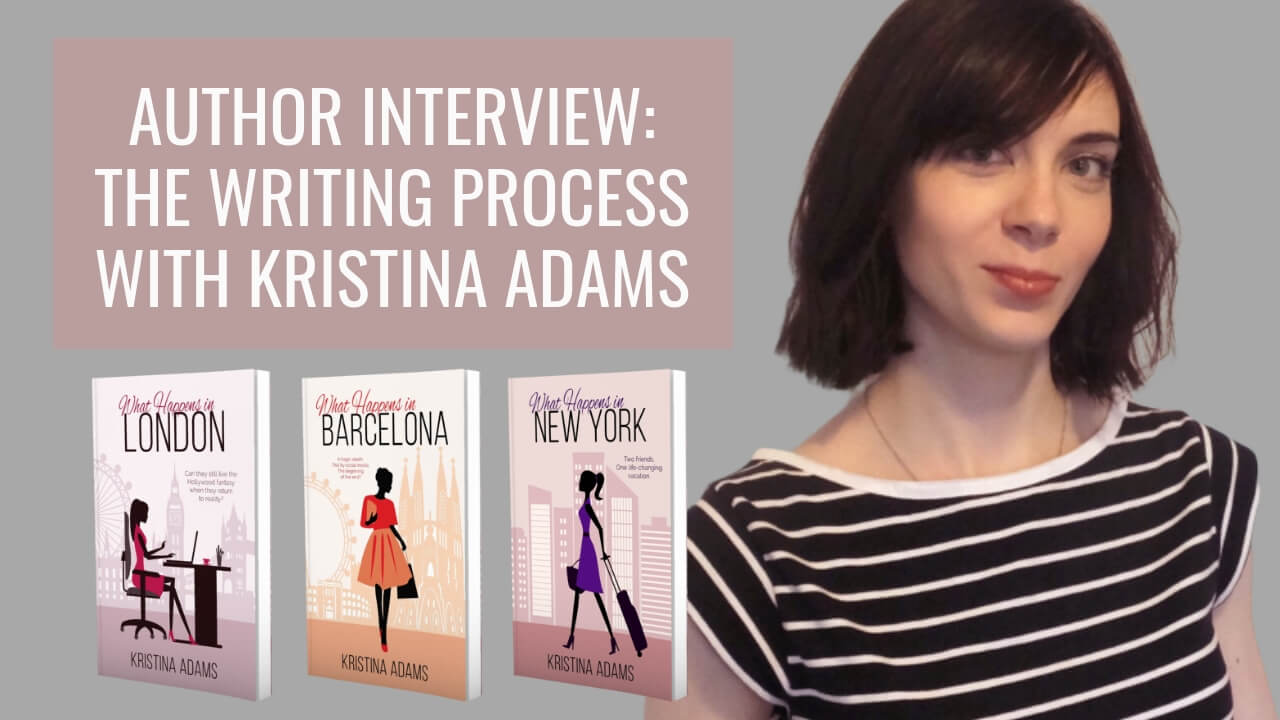
Every writer has a process. What works for you might not work for someone else, and your approach might change over time. Here are 6 tips from indie author Kristina Adams that show how changing your writing process to suit mindset and circumstances can help you grow as a writer.
When I set out to publish my first book, I had no idea what I was doing. I made the whole thing up as I went along, absorbing as much advice as I could in the short space of time I had.
I’d set myself a tight deadline – to write, edit, and publish a book in a year – which, when you have no idea what you’re doing and you’re a one-woman band working a full-time job, is pretty insane. Fast-forward to now, and I’ve published four books and have a somewhat better idea of what I’m doing. I’m no expert, but I have come to accept that my writing process changes as I mature as a writer, as I grow as a person, and as my circumstances in life change. So let’s take a look at what's changed, and what you can learn from my ever-changing writing process ... 
1. Planning is your friend
I never used to plan my writing. My dissertation tutor tried to convince me of the importance of planning, but I wouldn’t listen to him. (Pro tip: always listen to people more experienced than you, especially when you’re paying them.) When I started writing a book with multiple points of view and several spin-offs involved, his advice finally sunk in. Now, I don’t write anything without at least the hint of a plan first. Sometimes that plan is simply what the ending will be. Other times it’s so elaborate that there’s no room for missteps. It’s important to plan properly, though. A few years ago, I took part in NaNoWriMo. I was so excited that I’d planned my novel weeks in advance. When I went to write it in the October, I discovered – to my horror – that I hadn’t planned it very well at all. The Big Reveal scene was described as ‘Poppy finds out who the murderer is’. That was it. I’d spent all that time planning but hadn’t actually worked out the most important detail in a crime novel. Insert face palm here. The draft ended up being all over the place. I forced myself to hit the NaNoWriMo word count, but hated the piece so much that I almost quit writing fiction all together. (Another lesson learnt: don’t force yourself to finish a piece that you really, really don’t like any more. Not unless there’s someone else’s money on the line.) You don’t need to know every step along the way when you plan. I like to see it as akin to planning a journey: you know the destination and what stops you’ll make along the way, but you don’t know the other cars, the scenery, or the people you’ll come across. Planning is your friend, folks. It doesn’t dampen the creativity; it just stops you from digging yourself into a massive hole. 
2. Listen to your body
This may seem like an odd thing to say in a post about writing, but as someone with six chronic health issues, I really do need to listen to my body. Too much stress exacerbates my fibromyalgia, which then means I’m too tired and in too much pain to function. It’s therefore imperative that when I start to feel weak, the pain gets too much, or the room starts spinning, I go to bed and close my eyes. Sometimes that rest is a couple of hours; other times it’s days. Either way, if I didn’t rest, I’d end up in a much worse state and wouldn’t be able to write or publish at all. So many people come to me and say, ‘I feel tired all the time’. If you fall into this category, I have three pieces of advice:

3. Abandon your book (just for a while)
It’s amazing how many things you can spot when you’ve taken a break from working on something. The longer you leave something in the drawer for, the more you’ll spot and the easier it is to work through any issues that you may or may not know about. I didn’t have much time to do this when working on What Happens in New York, but with more recent books I’ve written a first draft, then gone on to write another first draft of something else before going back to it. This means I’m working on first drafts while in a writing mindset; then I can switch to an editor’s mindset. Switching rapidly between writing and editing can be difficult, which is why I like to do them in bulk for longer projects. It strengthens my skills in both as I’m in that mindset for longer. It also means I’m less likely to overthink things during the crucial (but ugly) first-draft stage. 
4. Ask for help
My local writing community has been pivotal to my growth as a writer. Whenever I get stuck on a particular issue, there’s always someone who can help. I have one friend in particular who’s brilliant at fixing plot holes, and so when I was unsure of something in my most recent book, she was the first person I went to. She helped me to figure everything out, and suddenly the book wasn’t so intimidating any more. I can’t emphasize enough the importance of a support network. Even if your support network doesn’t consist of other writers or editors (although it helps), having people in your corner that you go to for help when you need it makes a huge difference to your growth and your confidence as a writer. If you don’t have access to a physical writing community, there are plenty available online. Facebook, Twitter, and even Second Life have writing communities, and there are a plethora of websites that are dedicated to writing, too. 
5. Be realistic with deadlines
When I set myself a 12-month deadline to publish What Happens in New York, I had no idea how much work was involved in self-publishing (unless one has a budget that far exceeds my monthly salary). Had I known, I would’ve set myself a different deadline. I ended up rushing a lot of processes early on and making rookie mistakes that make me cringe when I look back on them. Nowadays, I don’t put anything up for pre-order until the book is in a state that I’m happy with and only requires one last read-through to check for any niggling issues that might have been missed. Having a public deadline definitely helped to motivate me. Had I not had it, I may well have kept procrastinating, coming up with an abundance of excuses why I shouldn’t hit the ‘Submit for pre-order’ button. These days I don’t make my deadlines quite so public – I tell a few close friends that I know will hold me accountable instead. These are both fans of my writing and fans of me, which encourages me to keep going while also offering moral support when things go wrong. 
6. Accept that you know nothing
The less you know, the more room you have to grow. The more room you have to grow, the more you can succeed. Everyone knows something that you don’t know, which is why it’s important to take advice from as many sources as you can. If someone has said something mean, acknowledge it, then ignore it. But if someone offers constructive criticism, take some time to think about their comments. It may be hurtful, but often the greatest pain comes from the greatest truths. No one likes their writing to be criticized, but it’s the only way you’ll improve as a writer. If those comments come from your target audience, it’s especially important to listen since they’re the ones that will download your book. If they don’t like something, they’re the ones you really need to pay attention to before you do something that could dampen your sales. As time goes on, you’ll learn the difference between constructive feedback and someone who's just got an axe to grind and you just happened to be their unfortunate target. In the end ... Everyone’s writing process is different. That’s part of what I find most fascinating about writing. I love hearing how different people write in different ways. I have some friends who plan their books in so much depth that they only need one or two edits. I have others who love editing but can’t stand first-draft stage. What really matters is that you find a writing process that works for you. Your writing process will change as you grow, and as your circumstances in life change. That’s natural. When you accept that, it becomes a lot easier to get your writing done. It also means you’re kinder to yourself, which means that you’re more relaxed. When you’re more relaxed, you can write better because you’re not putting too much pressure on yourself. Then, when you write better, you achieve more. And in the end, isn’t that what we all want?
Kristina Adams is an author, blogger, and reformed caffeine addict. She’s written four novels poking fun at celebrity culture, one nonfiction book on productivity for writers, and too many blog posts to count. She shares advice for writers over on her blog, The Writer’s Cookbook.
In this episode of The Editing Podcast, Denise and Louise discuss how long it takes to complete an edit – whether you’re doing it yourself or working with a professional – and how to plan ahead.
And check out the cheeky bloopers that Denise included of me messing up my words! I’ll get my revenge! 
Click to listen to Episode 12
Summary of Episode 12
Listen to find out more about editing time in relation to:
Editing bites
Music credit ‘Vivacity’ Kevin MacLeod (incompetech.com). Licensed under Creative Commons: By Attribution 3.0 License http://creativecommons.org/licenses/by/3.0/
Louise Harnby is a line editor, copyeditor and proofreader who specializes in working with crime, mystery, suspense and thriller writers.
She is an Advanced Professional Member of the Chartered Institute of Editing and Proofreading (CIEP), a member of ACES, a Partner Member of The Alliance of Independent Authors (ALLi), and co-hosts The Editing Podcast. Visit her business website at Louise Harnby | Fiction Editor & Proofreader, say hello on Twitter at @LouiseHarnby, connect via Facebook and LinkedIn, and check out her books and courses. The Editing Podcast, Season 1, Episode 11: Does location matter when working with an editor?1/4/2019
In this episode of The Editing Podcast, Denise and Louise discuss location and whether where your editor lives actually matters.
Click to listen to Episode 11
Summary of Episode 11
Listen to find out more about:
Editing bites Music credit ‘Vivacity’ Kevin MacLeod (incompetech.com). Licensed under Creative Commons: By Attribution 3.0 License http://creativecommons.org/licenses/by/3.0/
Louise Harnby is a line editor, copyeditor and proofreader who specializes in working with crime, mystery, suspense and thriller writers.
She is an Advanced Professional Member of the Chartered Institute of Editing and Proofreading (CIEP), a member of ACES, a Partner Member of The Alliance of Independent Authors (ALLi), and co-hosts The Editing Podcast. Visit her business website at Louise Harnby | Fiction Editor & Proofreader, say hello on Twitter at @LouiseHarnby, connect via Facebook and LinkedIn, and check out her books and courses.
In this episode of The Editing Podcast, Denise and Louise discuss how to find an editor if you decide you want professional help.
Click to listen to Episode 10
Summary of Episode 10
Listen to find out more about:
Editing bites
Music credit ‘Vivacity’ Kevin MacLeod (incompetech.com). Licensed under Creative Commons: By Attribution 3.0 License: http://creativecommons.org/licenses/by/3.0/
Louise Harnby is a line editor, copyeditor and proofreader who specializes in working with crime, mystery, suspense and thriller writers.
She is an Advanced Professional Member of the Chartered Institute of Editing and Proofreading (CIEP), a member of ACES, a Partner Member of The Alliance of Independent Authors (ALLi), and co-hosts The Editing Podcast. Visit her business website at Louise Harnby | Fiction Editor & Proofreader, say hello on Twitter at @LouiseHarnby, connect via Facebook and LinkedIn, and check out her books and courses.
In this episode of The Editing Podcast, Denise and Louise discuss the order of play for the different levels of editing, and some ideas about how you can keep costs down.
Click to listen to Episode 9
Summary of Episode 9
Listen to find out more about:
Editing bites
Other resources
Music credit ‘Vivacity’ Kevin MacLeod (incompetech.com). Licensed under Creative Commons: By Attribution 3.0 License: http://creativecommons.org/licenses/by/3.0/
Louise Harnby is a line editor, copyeditor and proofreader who specializes in working with crime, mystery, suspense and thriller writers.
She is an Advanced Professional Member of the Chartered Institute of Editing and Proofreading (CIEP), a member of ACES, a Partner Member of The Alliance of Independent Authors (ALLi), and co-hosts The Editing Podcast.
You don't need a lot of equipment to create superb audio content. A fellow book editor and I recently recorded 5 episodes for our podcast with nothing but a couple of mics, a splitter and our cell phones. Here's how to do it.
Mobile podcasting at ATOMICON
Denise Cowle and I were at ATOMICON, a one-day digital marketing conference hosted by my two favourite marketers, Andrew and Pete. The venue was the Assembly Rooms in Newcastle. 300 business owners, all with an interest in being visible online, gathered from near and far to learn, and have a good laugh doing it – Andrew and Pete don’t do anything without putting a smile on people’s faces! 
Creating content ... while learning about creating content
In January, Denise and I launched The Editing Podcast. We're both experienced book editors and we use our knowledge and experience to make indie authors' publishing journeys easier by offering writing and editing tips, tools and guidance. Our target audience is anyone who writes. That means we’re creating audio material related to fiction and creative non-fiction, business, education and academia. We tackle editing issues from the viewpoint of print and digital publishing because we recognize that our listeners work in a variety of formats and use a range of platforms to distribute their writing. Now, we'd already planned to invite guests onto The Editing Podcast in Season 2 and beyond, but ATOMICON was too good an opportunity to miss. Since some of the 300 delegates had published books – fiction and non-fiction – we thought it would be great to hear their experiences of the editing and publishing process so that other indie authors might understand the various approaches taken and the challenges faced. 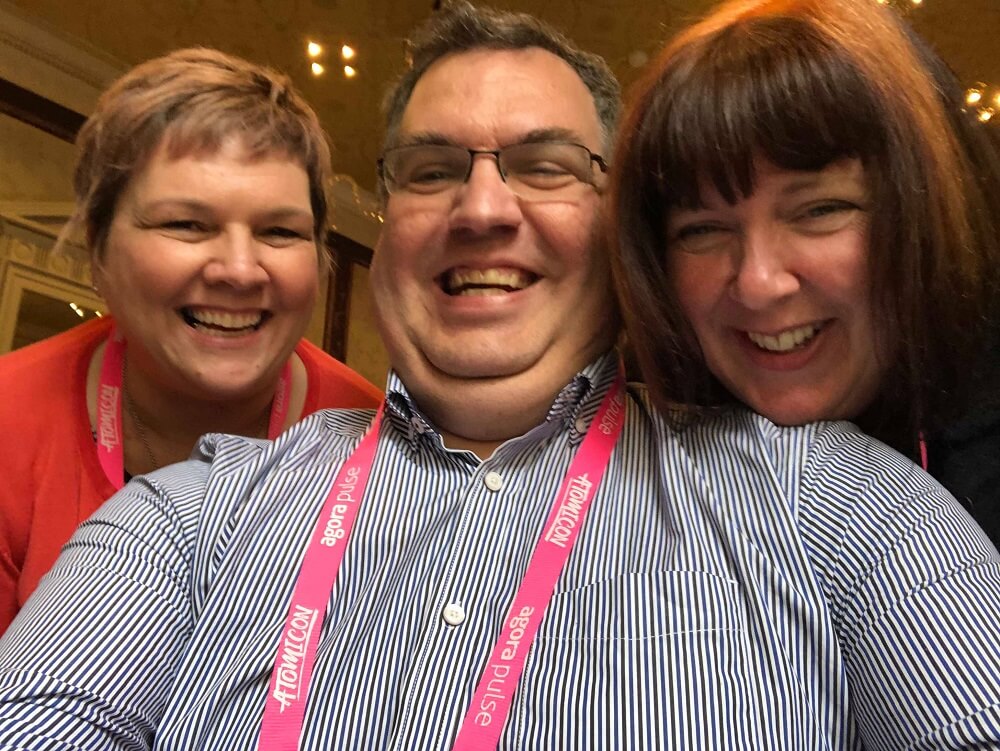
EDITORS DENISE COWLE AND LOUISE HARNBY WITH AUTHOR TIM LEWIS
The question we asked ourselves was could we do it on the fly? The coffee breaks were short, the venue busy, and the atmosphere buzzing. That meant there’d be a lot of background noise to contend with.
What equipment did we use? We turned up in Newcastle with our very own micro podcasting studio! It consisted of the following:
That’s a small investment for an audio studio that fits in your pocket! And we can use the equipment over and over.
So did it work? Yes, it did! RØDE didn’t disappoint. We plugged in the mics, hit the RECORD button on the Reporter app, and away we went. Our voices come across clearly, and while the background noise of the convention is audible, it doesn't interfere with the conversation. In fact, we think it adds texture to the recordings because listeners can appreciate the atmosphere of a live event. Who did we talk to? The following lovely people were kind enough to let us interview them about their book revision and publication journeys:
You can listen to the bonus episodes on The Editing Podcast right here. Editing and publishing the recordings The recordings are .WAV files that sit in the Reporter app’s library. Download them to your computer or email them to yourself. We edit our audio files in Audacity – this is free, open-source, cross-platform audio-editing software. The dashboard does have something of a NASA feel to it, but it’s easy to learn how to do the basics with any number of free tutorials available on YouTube. Here’s one example from by David Taylor: Audacity: Complete Tutorial Guide to Audacity for Beginners. 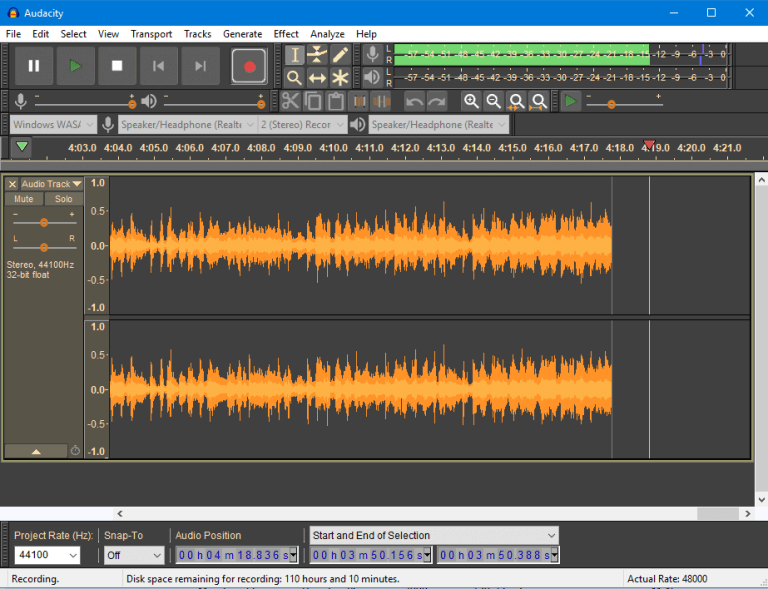
Audacity dashboard
To upload to most audio platforms, you’ll need to convert the WAVs to MP3s. You can do this in Audacity at export stage.
Publishing audio content Denise and I chose Captivate to syndicate our podcast content because of its superb user interface and competitive pricing plans.
You don’t have to go down that route, of course. If you’re creating audio content more sporadically for the purpose of author book promotion or to communicate your editing knowledge/services, you could go direct to, say, SoundCloud or another free audio-streaming service, and embed the audio on your website rather than going for full syndication. And it won’t cost you a penny.
Why should you use audio? Audio is a powerful engagement tool because it allows your listeners to hear your actual voice ... your accent, your pitch, your inflection and, perhaps most important, your emotion. That enables authors to connect with readers, and editors to connect with authors. When a conversation takes place, listeners can hear that connection, and enjoy it. Lots of The Editing Podcast's listeners have told me and Denise that they love not just the learning points we share but also the way our friendship plays out on air. It's a richer experience than words alone can provide. Learn how to do marketing better We had a great time at ATOMICON, and our mobile podcasting experiment was a huge success, with over 300 downloads of the author interviews in the first 2 hours of appearing on air. If you’re struggling to be visible online, Andrew and Pete will show you the way. Denise and I are heading back to ATOMICON in 2020. I'm certain we'll be doing more mobile podcasting, too! Click on the image below if you fancy joining us. 
Louise Harnby is a line editor, copyeditor and proofreader who specializes in working with crime, mystery, suspense and thriller writers.
She is an Advanced Professional Member of the Chartered Institute of Editing and Proofreading (CIEP), a member of ACES, a Partner Member of The Alliance of Independent Authors (ALLi), and co-hosts The Editing Podcast. Visit her business website at Louise Harnby | Fiction Editor & Proofreader, say hello on Twitter at @LouiseHarnby, connect via Facebook and LinkedIn, and check out her books and courses.
In this episode of The Editing Podcast, Denise and Louise talk about about page proofs and the proofreading process.
Click to listen to Episode 8
Summary of Episode 8
Editing bites
Related resources Click on the image below to download my free proofreading checklist. 
And check out these blog articles about proofreading too:
Music credit ‘Vivacity’ Kevin MacLeod (incompetech.com). Licensed under Creative Commons: By Attribution 3.0 License: http://creativecommons.org/licenses/by/3.0/
Louise Harnby is a line editor, copyeditor and proofreader who specializes in working with crime, mystery, suspense and thriller writers.
She is an Advanced Professional Member of the Chartered Institute of Editing and Proofreading (CIEP), a member of ACES, a Partner Member of The Alliance of Independent Authors (ALLi), and co-hosts The Editing Podcast. Visit her business website at Louise Harnby | Fiction Editor & Proofreader, say hello on Twitter at @LouiseHarnby, connect via Facebook and LinkedIn, and check out her books and courses.
In this post, I outline the start of the author–editor relationship – from first contact, to initial discussion, to booking confirmation. My process is personal to my business but it gives you an idea of what to expect.
1. The author makes contact
Clients are welcome to contact me via email, social media, telephone or my contact form. Most use the latter. My contact form is basic because I want authors to be able to start a conversation with me as easily as possible. The biggest stumbling block is usually the time frame because I’m booked up months in advance. Establishing when they’d like the editing or proofreading carried out is therefore essential, as is the word count. It’s those two pieces of information that will guide me on best fit at this point. I include a dropdown menu so that authors can quickly choose the service they’re looking for: a full line and copyedit, a mini line critique or a proofread. I ask for a little information about the project, too. This is where an author can tell me about the genre of their novel and provide a brief summary of the project. I also ask for a name and email address – nothing more in terms of personal details. An underpinning principle of GPDR compliance requires business owners to collect only necessary data. For me, the name and email is enough to enable me to reply to the query. 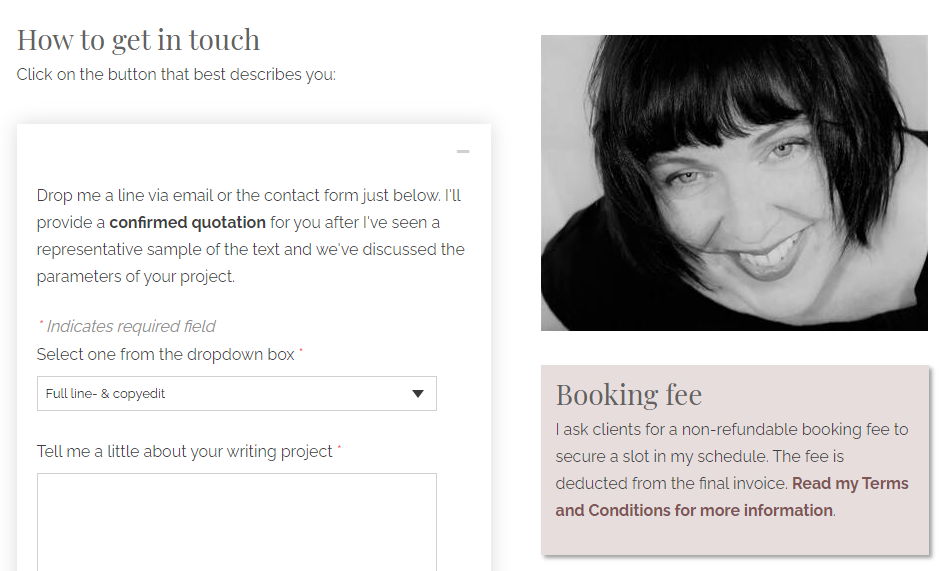
Screenshot of contact form
2. The project discussion
Now the author and I begin to talk. The focus at this stage tends to be on time frame, the type of editing required, and the price (subject to seeing a sample). There might be a little back and forth as we get to know each other and agree the terms of the editing project. If the author sent a sample with their email, I’ll review it before responding. This is the perfect opportunity for me to check that the service they’ve asked for is a good fit for what I think the text requires. It also gives me a chance to get a feel for the writing style ... to see whether I can get under the skin of the novel and give the story the sentence-level pop the author’s seeking. A sample helps me work out how long the editing will take too. With that information, I can determine the fee. If you want more information about samples, Denise Cowle and I cover this topic in Episode 6 of The Editing Podcast. I sometimes include links to useful resources on my website if I think they'll help the author decide whether I’m a good fit for them. You can access everything on offer via my Author Resources page but the 3 tools I most often refer to during this discussion phase are:
3. Booking the editing project
Once the author and I have decided we want to work together, and agreed a price and completion date, it’s time to confirm the booking. I ask them to read my terms and conditions (which are designed to protect us both), then fill in the booking-confirmation form (scroll to the bottom of the T&Cs web page if you want to have a look at it). Receipt of that form triggers me to send an invoice for the booking fee that will secure the author’s slot in my schedule. 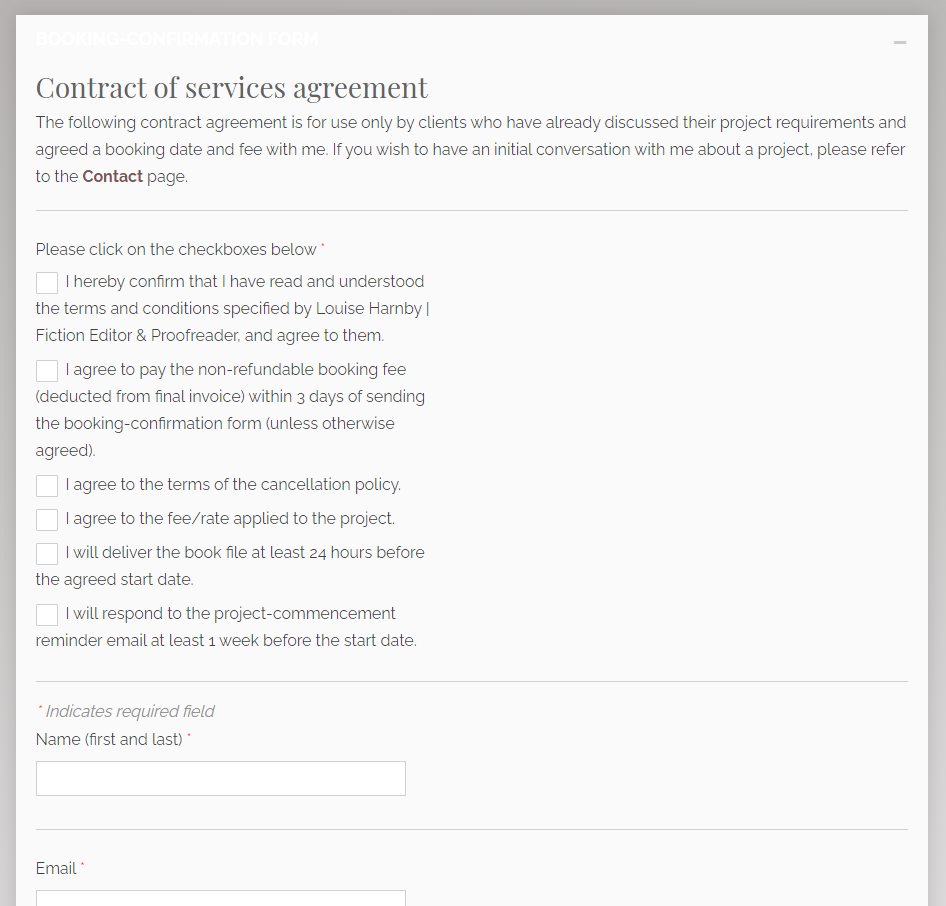
Screenshot of booking-confirmation form
4. Preparing for the edit: styles and files
There’s an Author Style Preferences form next to the booking-confirmation form in which clients can register any decisions they’d like me to adhere to during the editing or proofreading process. These aren’t set in stone and can be changed at any time before the editing begins. 
Authors are welcome to send me their book file at any time once the booking has been confirmed. My only stipulation is that it arrives 24 hours before editing begins. This gives me time to check that the file can be opened and edited.
I hold the files securely in my Dropbox account, which is protected via two-factor authentication. 5. Reminding the author about the start date I like to give my authors a little nudge at least a week before the start date. Editing will usually have been booked many months earlier and I might not be top of mind if the client is busy with other commitments. A nudge costs nothing and is invariably appreciated by time-poor authors. If I’ve already received the book file, the reminder is simply a courtesy to let them know I’m about to start working on their project, and to check that the file hasn’t been revised in the meantime. Otherwise, it’s a reminder of the date by which the author needs to deliver the file. Summing up Editors work in a variety of ways. The process I’ve outlined here might look very different to my colleagues’. Still, it gives you an idea of what to expect when you get in touch with me. If you have any questions, feel free to drop me a line. In the meantime, help yourself to the freebies. You don’t even have to hand over your email address to access them – just click and grab.
Louise Harnby is a line editor, copyeditor and proofreader who specializes in working with crime, mystery, suspense and thriller writers.
She is an Advanced Professional Member of the Chartered Institute of Editing and Proofreading (CIEP), a member of ACES, a Partner Member of The Alliance of Independent Authors (ALLi), and co-hosts The Editing Podcast. Visit her business website at Louise Harnby | Fiction Editor & Proofreader, say hello on Twitter at @LouiseHarnby, connect via Facebook and LinkedIn, and check out her books and courses.
In this episode of The Editing Podcast, Denise and Louise discuss sample edits – what they are, how they can help, and who they’re useful for.
Click to listen to Episode 6
Summary of Episode 6 ...
Editing bites
Music credit 'Vivacity' Kevin MacLeod (incompetech.com). Licensed under Creative Commons: By Attribution 3.0 License.
Louise Harnby is a line editor, copyeditor and proofreader who specializes in working with crime, mystery, suspense and thriller writers.
She is an Advanced Professional Member of the Chartered Institute of Editing and Proofreading (CIEP), a member of ACES, a Partner Member of The Alliance of Independent Authors (ALLi), and co-hosts The Editing Podcast. Visit her business website at Louise Harnby | Fiction Editor & Proofreader, say hello on Twitter at @LouiseHarnby, connect via Facebook and LinkedIn, and check out her books and courses.
In this episode of The Editing Podcast, Denise and Louise discuss how to choose the right kind of editor to suit your publishing needs.
Click to listen to Episode 5
Summary of Episode 5 ...
Editing bites
Music credit 'Vivacity' Kevin MacLeod (incompetech.com). Licensed under Creative Commons: By Attribution 3.0 License.
Louise Harnby is a line editor, copyeditor and proofreader who specializes in working with crime, mystery, suspense and thriller writers.
She is an Advanced Professional Member of the Chartered Institute of Editing and Proofreading (CIEP), a member of ACES, a Partner Member of The Alliance of Independent Authors (ALLi), and co-hosts The Editing Podcast. Visit her business website at Louise Harnby | Fiction Editor & Proofreader, say hello on Twitter at @LouiseHarnby, connect via Facebook and LinkedIn, and check out her books and courses.
In this episode of The Editing Podcast, Denise and Louise discuss how much professional editing might cost if you decide to hire a third party, and what factors could affect the fee you’re quoted.
Click to listen to Episode 4
Summary of Episode 4 ...
Editing bites
Music credit 'Vivacity' Kevin MacLeod (incompetech.com). Licensed under Creative Commons: By Attribution 3.0 License.
Louise Harnby is a line editor, copyeditor and proofreader who specializes in working with crime, mystery, suspense and thriller writers.
She is an Advanced Professional Member of the Chartered Institute of Editing and Proofreading (CIEP), a member of ACES, a Partner Member of The Alliance of Independent Authors (ALLi), and co-hosts The Editing Podcast. Visit her business website at Louise Harnby | Fiction Editor & Proofreader, say hello on Twitter at @LouiseHarnby, connect via Facebook and LinkedIn, and check out her books and courses.
In this episode of The Editing Podcast, Denise and Louise look at why you might want to invest in hiring an editor rather than doing it all yourself.
Click to listen to Episode 3
Summary of Episode 3 ...
Editing bites
Other resources
Music credit 'Vivacity' Kevin MacLeod (incompetech.com). Licensed under Creative Commons: By Attribution 3.0 License.
Louise Harnby is a line editor, copyeditor and proofreader who specializes in working with crime, mystery, suspense and thriller writers.
She is an Advanced Professional Member of the Chartered Institute of Editing and Proofreading (CIEP), a member of ACES, a Partner Member of The Alliance of Independent Authors (ALLi), and co-hosts The Editing Podcast. Visit her business website at Louise Harnby | Fiction Editor & Proofreader, say hello on Twitter at @LouiseHarnby, connect via Facebook and LinkedIn, and check out her books and courses.
In this episode of The Editing Podcast, Denise and Louise demystify publishing language – the terms professionals use to describe the parts of a book – so that you can talk with confidence about your text.
Click to listen to Episode 2
Summary of Episode 2 ...
Editing bites Indexing societies
Music credit 'Vivacity' Kevin MacLeod (incompetech.com). Licensed under Creative Commons: By Attribution 3.0 License.
Louise Harnby is a line editor, copyeditor and proofreader who specializes in working with crime, mystery, suspense and thriller writers.
She is an Advanced Professional Member of the Chartered Institute of Editing and Proofreading (CIEP), a member of ACES, a Partner Member of The Alliance of Independent Authors (ALLi), and co-hosts The Editing Podcast. Visit her business website at Louise Harnby | Fiction Editor & Proofreader, say hello on Twitter at @LouiseHarnby, connect via Facebook and LinkedIn, and check out her books and courses.
In this episode of The Editing Podcast, Denise and Louise discuss the different levels of editing, why editing is worth doing, the order of play, and how perfection is impossible in one pass.
Click to listen to Episode 1
Summary of Episode 1 ...
Editing bites
Music credit 'Vivacity' Kevin MacLeod (incompetech.com). Licensed under Creative Commons: By Attribution 3.0 License.
Louise Harnby is a line editor, copyeditor and proofreader who specializes in working with crime, mystery, suspense and thriller writers.
She is an Advanced Professional Member of the Chartered Institute of Editing and Proofreading (CIEP), a member of ACES, a Partner Member of The Alliance of Independent Authors (ALLi), and co-hosts The Editing Podcast. Visit her business website at Louise Harnby | Fiction Editor & Proofreader, say hello on Twitter at @LouiseHarnby, connect via Facebook and LinkedIn, and check out her books and courses.
Will your reader immerse themselves in your crime novel’s setting? Will the world you’ve built make sense, even if it’s a work of fantasy? And is it coherent? If you’re not sure, create a wiki.
A world-building wiki will help you keep track of your novel’s environment and the rules that govern it. And that will go some way to protecting your plot and maintaining a logical narrative.
‘But I write crime, not fantasy ...’ Even if your novel’s setting is the world as we know it right now, a world-building wiki is still useful. I live in a hamlet in Norfolk (the UK one). Some of the things I have to deal with in my day-to-day life are different to those of friends who live only ten miles away in the city of Norwich.
How does all of this relate to fiction writing?
One of my author clients bases his books in the Colorado Rockies. I know the lie of the land – how the weather affects the local population on a seasonal basis, how the pine smells in the spring, how the mountain passes are treacherous in the winter. Then there’s the town where the sheriff’s office is located. And it is a sheriff rather than a chief constable who’s in charge of this fictional county’s law enforcement. I know about the guns people carry, the idiomatic turns of phrase they use, and where they tuck their chewing tobacco when they speak. I live five thousand miles away and have never visited this region of the US, and yet I swear if I drove into that town with a flat tyre, I could locate the garage and a find place to grab a latte while the mechanic was fixing my car – without having to ask a soul. And that’s because my author is a great world-builder. He writes crime thrillers, but he never forgets that most of his readers aren’t cops; that many don’t even live in the US, never mind near the Colorado Rockies; and that no one lives in Rocky Points … because he made it up.
Environments of the not-now and the not-here Crime fiction is as versatile a genre as any other. For not-here, think about Chris Brookmyre’s Places in the Darkness. The Ciudad de Cielo space station makes the Colorado Rockies seem like a mere hop. It’s crime fiction, but spacey! For not-now, how about C. J. Sansom’s Shardlake series. It’s crime fiction but the Tudor world in which our lawyer-detective operates bears little resemblance to that of a modern detective. And then there’s China Miéville’s not-here and not-now The City & The City. It’s a richly gritty world of hardboiled crime fiction where things don’t work in quite the same way. However, the narrative feels utterly reliable. All three authors are fine crime-writing world-builders, and their plots never unravel because the worlds they’ve shown us work. Your wiki and your plot Not everything in your wiki has to end up in your book, but all of the information will help you keep track of who’s who, what’s where, and how. That means you can keep the environment(s) in which your story is set coherent. Furthermore, if you decide to write a series, your wiki will help you maintain consistency across books. Even if you switch to a new location, even a new planet, and different rules come into play, it’s a space in which you can record the additional information and keep yourself on track. Let’s look at some of the elements you might include in your crime wiki. Physical environment Where does your story take place and how will the geography, geology and climate play with your plot? Does the landscape or the weather restrict or empower your characters, and if so, how? Real or fantastical, every world must obey its own scientific laws. Continuity is key, and your wiki will help you stay on track. Imagine your protagonist’s partner dies because the paramedic’s oxygen tank is empty, but they live on a world where the population breathes mainly nitrogen. Even your characters’ inhalations can blow a hole in your plot if you don’t keep track of the rules of your physical environment. If you’re setting a story in a real place that you’ve not visited, the wiki is where you record the details you’ll need to stop pedantic locals getting the hump when your hero sprints from the Tube station at Amersham to the next stop on the line. Chalfont & Latimer looks close by on the London Underground map, but trust me, it’s not for sprinting. Embankment to Charing Cross, yes! Culture, language and faith Use your wiki to record the ideas, customs, belief systems and social behaviours that distinguish your world, and how those will impact on your characters. Record also how your characters speak, and whether they are out of place in the setting, or fully integrated.
How will you reflect the way people speak in your world? Do people from the region in which the novel’s set have a particular idiom or dialect, and will you express this just through dialogue or in the narrative too?
Will you offer nudges here and there or include it consistently and heavily throughout the book? It goes without saying that if you include phrasing in a language you’re not fluent in, get it checked by someone who is. Google Translate is not the tool of choice here. Rules of governance Record who’s in control and how the rule of law works in your novel’s setting. If you’re mimicking reality, there might be variations not just between countries but also between states, counties, provinces or municipalities. Who makes the law? Who upholds it? What powers do they have? What are their titles? Who are they accountable to? What are the checks and balances that restrict them? And what does sentencing and punishment look like in the world you’ve created? How about the rules of engagement and the customary notifications given to characters apprehended by law enforcement? If a right-to-silence warning is given to a suspect arrested in the UK, and it’s referred to as a Miranda warning, your narrator’s reliability will be compromised. The term ‘caution’ is used in this neck of the woods. Make notes about the way the jurisprudence system works, and the rights of your world’s citizens in the locations you situate them. For example, time and place will determine how long a person can be held without access to legal representation, and how they might be punished if they’re found guilty of a crime. If your story is taking place in a fantastical setting, you can decide how all of this works. Still, your wiki will ensure there’s continuity in the way you apply your fictional rule of law to your characters. Science, technology, engineering and medicine ... and guns Your wiki is the perfect place to record essential information about science, tech and weaponry – what it is, how it works, who has access to it and what it’s used for. If you’re going for authenticity, make notes about how it works in the real world. How heavy is a Glock 19, and can a suppressor be attached to the barrel? What noise does a suppressed gun really make – is it just a pop or something louder? Years ago, I read a novel by a very well-known fantasy and horror writer. One of the subplots hinged on the DNA of a set of identical twins – one egg, one sperm, one zygote, which had split into two embryos. They had almost identical DNA. Only they didn’t because our twins were different sexes. That meant they were fraternal, not identical. The only thing they’d shared was a womb. A technical error pulled the plot to pieces. Food, drink and dress What do people eat and drink in this world, and how do they dress? Are there foodstuffs or materials that are restricted, impractical, unaffordable or impossible to access for some or all of the characters in your world? Does what people eat and how they dress indicate something about their status, their identity, their belief system, and what are the norms and rules surrounding their choices? Even if this information isn’t integral to the plot, it can still help your reader immerse themselves in your narrative as they experience the colours, textures, tastes and smells of the world in which your characters are moving. Heterogeneity in homogeneity As with real life, just because a group of people share a location, a job, a faith, doesn’t mean they’re all the same. Unless homogeneity is central to the plot, it can suck the soul from a novel because it’s unusual.
Any other quirks
Record information about any other quirks that are story-specific in a miscellaneous section. I nearly came undone with my own writing when embarking on a piece of flash fiction centred around where I live in Norfolk. During my research into pheasant shooting, I found out that my wee tale had come undone before I’d put a word on the page. Initially, I’d centred my plot around a crime being ignored during the summer because of the gunshots from legal pheasant-shooting parties.
Summing up
You can include whatever you need to in your wiki. Fundamentally, it’s about consistency and continuity, such that your plot isn’t plundered because you forgot something crucial about your world and how it works. More than that though, a reliable world is a believable world, even if it’s completely fabricated. When your readers feel like they can visit without having to ask where to grab a cuppa, you know you’ve built something beautiful.
Louise Harnby is a line editor, copyeditor and proofreader who specializes in working with crime, mystery, suspense and thriller writers.
She is an Advanced Professional Member of the Chartered Institute of Editing and Proofreading (CIEP), a member of ACES, a Partner Member of The Alliance of Independent Authors (ALLi), and co-hosts The Editing Podcast. Visit her business website at Louise Harnby | Fiction Editor & Proofreader, say hello on Twitter at @LouiseHarnby, connect via Facebook and LinkedIn, and check out her books and courses.
Readers want to know what characters look like. Writers want to show them. Here are some tools that will help do it with subtlety rather than a sledgehammer.
We like to know what characters look like because it allows us to picture them in our mind’s eye. That helps us invest.
The author wants us to invest in them, immerse ourselves in their journey, because then we’re more likely to keep on reading. Still, no reader wants all that information hurled at them as if they’re reading a shopping list, and certainly not in a way that’s cliched or mundane. That’s nothing more than an information dump. Here are some ideas for how you might unveil your characters’ physical descriptions in ways that are relevant and interesting. I’ve used examples that I’ve enjoyed from published works of crime and speculative fiction. First things: Pick and choose what to tell I said above that readers like to know what characters look like. Actually, we don’t necessarily need this detail to immerse ourselves in a character’s experience. I’ve just finished reading I Am Missing by Tim Weaver. I love the David Raker series, and have read most of the books in it. I can’t recall whether and where Weaver has given me a physical description of his missing-persons investigator, but he certainly didn’t in I Am Missing. And you know what? I didn’t care a jot. Weaver uses first-person past-tense narratives, which means we uncover the mystery with Raker. We see what he saw, wonder what he wondered, run when he ran. His fear, pain, shock and relief are ours. That’s where the immersion comes, rather than in knowing that he’s X feet tall or has hair the colour of whatever. Which is to say, you might not need to tell us about the physical appearance of a character to draw us deep into the story. And even if you do want to give your readers a sense of what a character looks like, we don’t need to know everything. Tell us what’s interesting, what gives us an insight into the way they think or feel, or things they notice that will be relevant later in the story. Green eyes might be more interesting if they’re surrounded by bags that show tiredness, or creped lids that give a clue to the character’s age. Long elegant fingers might be more deserving of a mention if the owner picked away at their cuticles and made them bleed, perhaps because of anxiety. Choose the right space If you decide you want to put a character’s physical traits in front of the reader in one fell swoop, you could follow Roger Hobbs’s approach. Ghostman is a gritty, punchy thriller. Hobbs’s writing is fast and taut. Five pages into the novel (p. 8) we’re given a description of Jerome Ribbons. Hobbs fires a lot of information at us – skin, height, weight, strength. This is no shopping list, though. Ribbons is about to carry out a casino heist, and Hobbs uses a description of the character’s physical traits to show us that he’s physically and mentally capable of the crime. It’s a case of the right words in the right space.
Show us through another character’s eyes There’s no better time to show what someone looks like than when a viewpoint character sets eyes on them. We’re already in the viewpoint character’s head, thinking and seeing with them. Their observations are reliable, and it feels natural for the reader to be confronted with descriptions of what’s visible, and why it’s noticeable. Here’s another excerpt from Ghostman (pp. 31–2). Jack is the protagonist, and the viewpoint character in this chapter. We see what he saw, and know what he knew. More telling, we learn something about how this character’s appearance belies his nature.
Make your character self-reflect A viewpoint character’s self-reflection is another useful tool for character description, especially when it includes contrast … that was then, this is now. We don’t feel like we’re reading a shopping list. Instead, the details tell us a story of change – whether that is positive or negative. In The Wife Between Us (p. 11), Greer Hendricks and Sarah Pekkanen weave Vanessa’s current hair colour, height and weight into a narrative about the challenges she endured when her marriage to a wealthy hedge-fund manager broke down.
Think about what you do when you look in a mirror.
If your character is seeing themselves reflected in a window or mirror, have them notice things about themselves naturally. Create an out-of-place setting Might you set a character’s description in a scene where they look out of place? Philip K. Dick doesn’t use any clever descriptors for Bill Black in Time Out of Joint (p. 19). Instead, the interest comes from how his manner of dress, hairstyle and gait appear old-fashioned to the viewpoint character, Ragle. It’s less a case of what he looks like than why he looks strange. No matter – the reader knows what they’re looking at.
Show us the viewpoint character’s emotional reactions Describing how another character’s appearance makes the viewpoint character feel is another trick. In Bad Luck and Trouble (p. 32), Lee Child uses rather mundane adjectives to describe Neagley, but the emotional impact on the plucky and usually granite-like Reacher, and Child’s typically no-nonsense sentence structure make this description anything but dull.
In the above example, Reacher feels awkward. You might use other emotional reactions as a way to open the door to natural-sounding physical description: envy, disgust, desire, for example. Unveil through dialogue Character descriptions needn’t come solely through the narrative. Dialogue is perfect for unveiling too because it pushes the details front and centre. In I Am Missing (p. 13), Tim Weaver constructs a discussion between Raker, the protagonist investigator, and his client, Richard Kite. Weaver uses the conversation to show the scarring on Kite’s face.
Of note here is that the author chooses to give us little else about what Kite looks like – hair or eye colour, for example. It’s clever because this character is suffering from dissociative amnesia – unable to recall large chunks of information about himself. He is lost. The author keeps such tight control over the physical description that we are drawn deeper into Kite’s loss of self, and Raker’s struggle to find any clue to who he is. As I read, he remained almost faceless in my mind’s eye. All I could picture was the harm he’d suffered. Writers can and should be picky about what they choose to include, and omit, in order to draw a picture and evoke a mood. Summing up Do your best to avoid descriptions of characters that read like shopping lists or police reports. Instead, wrap the details around emotions, contrasts, and journeys of change. See you next time (said the blue-eyed fiction editor with a bob, who wore size-nine shoes and was five foot eight). Cited works and further reading
Louise Harnby is a line editor, copyeditor and proofreader who specializes in working with crime, mystery, suspense and thriller writers.
She is an Advanced Professional Member of the Chartered Institute of Editing and Proofreading (CIEP), a member of ACES, a Partner Member of The Alliance of Independent Authors (ALLi), and co-hosts The Editing Podcast. Visit her business website at Louise Harnby | Fiction Editor & Proofreader, say hello on Twitter at @LouiseHarnby, connect via Facebook and LinkedIn, and check out her books and courses.
If you're a first-time writer, working out which editorial services you need help with and what you can do yourself can be tricky. Is proofreading enough or do you need additional assistance? A key question is: How does your reader dance?
Here's a free PDF booklet that covers the key issues. In it, you'll find guidance on:
Visit the Books and Videos page in my resource library to download this free booklet. 
Louise Harnby is a line editor, copyeditor and proofreader who specializes in working with crime, mystery, suspense and thriller writers.
She is an Advanced Professional Member of the Chartered Institute of Editing and Proofreading (CIEP), a member of ACES, a Partner Member of The Alliance of Independent Authors (ALLi), and co-hosts The Editing Podcast. FIND OUT MORE > Get in touch: Louise Harnby | Fiction Editor & Proofreader > Connect: Twitter at @LouiseHarnby, Facebook and LinkedIn > Learn: Books and courses > Discover: Resources for authors and editors
What is flash fiction and can its creation make us better writers and better editors?
In July 2018, I wrote my first piece of flash fiction and submitted it to the Noirwich Crime Writing Festival’s flash fiction competition. Here’s what I learned. 
What is flash fiction?
Think of a tiny story that packs a large wallop … that’s flash fiction. It’s not always called that. Some call it micro fiction, others nano fiction. I’ve also heard it called the shortie, short-short and postcard fiction. How long is it? There’s no consensus other than it’s short ... very short. Some types of flash fiction have established word counts – the dribble with 50 words, the drabble with 100 words, and Twitterature – no more than 280 characters. If Twitterature seems like a challenge, imagine writing it when the character-count limitation was 140! So what are the key components and what can they teach writers of longer-form fiction? 1. Brevity – making every word count Keeping things tight is one of the biggest challenges faced by many of the beginner novelists I work with. Overwriting usually occurs because the author hasn’t yet learned to trust their reader. Will that single adjective be enough? Maybe another sentence that says a similar thing would be in order, just for clarification … Often, it’s not a reflection of a writer’s ability to write, but about confidence. Getting the balance right comes with experience and not a little courage. A line editor can help with overwriting – they bring fresh eyes to the book, and can advise on what can safely be removed without damaging flow, sense, rhythm and tension, and in a way that respects style and voice. Flash fiction helps writers practise the art of precision in the extreme. And when it comes to self-editing your novel, you can ask yourself this: ‘If this were a short story and my word count was restricted, is this the way I’d construct this sentence?’ The answer might be ‘No, but I’d be missing an opportunity to enrich the narrative and the dialogue in a way that’s best for my book.’ That’s a great answer. Still, the flash fiction writer is forced to be disciplined, and when it comes to writing longer works, that discipline will get you used to thinking in terms of making sure every word counts, and comfortable with removing those that don’t. A limited word count also encourages writers to experiment with literary devices such as free indirect speech, sentence fragments, action beats, and asyndeton, all of which can facilitate brevity but enrich tension, immediacy, mood and rhythm. 
2. Structure – shaping the story
Stories need structure. No writer wants to get to the end of their novel only to realize that the denouement occurred ten chapters earlier. Sophie Hannah calls it ‘story architecture’, which I think is both a practical and a beautiful way of thinking about how a writer helps their readers experience a novel. There are different ways to shape stories but the most common is the three-act structure. First, the beginning or hook that draws us in. Second, the middle where the confrontation takes place. This is where we come to understand the characters’ motivations and the conflict or obstacles in their way. Third, is the end where the denouement or resolution occurs. Says Julia Crouch, ‘If you have any storytelling bones in you at all, you will more than likely, even subconsciously, end up with a structure like this.’ How does flash fiction help? Do you even need to worry about structure when you’re writing such a short piece of work? Absolutely! No one will enjoy an 80,000-word novel that’s poorly structured. The same applies to 800 words. The only difference is that with flash fiction they’ll lose interest quicker. Flash fiction is a story form in its own right. It’s not about pulling an excerpt from a longer-form piece of writing. Flash must have structure – a beginning, a middle and an end. Something must happen to someone or something, and readers must leave the story feeling satisfied, that the story is complete, that they’ve been on a journey, albeit a short one. Without structure, it will descend into nothing more than an extract. Perhaps flash is akin to poetry – squeezing big ideas into small spaces. That too, though, is good practice for the novelist, because it encourages writers to think about the discipline of shaping, and the journey that the reader will be taken on. 
3. Strong endings – surprises and twists
There’s nothing more disappointing than a book that hooks you into turning page after page only to sag into a giant anti-climax. ‘Endings are so important to the reader and you will never please everyone,’ says Nicola Morgan. ‘Readers do want the end to feel “right”, though. They have spent time with these characters and they care what happens to them.’ How and when novelists decide to tie up all or most of the loose ends will depend on style, genre, and whether the book is part of a series, but there must be some sort of closure so that your readers aren’t left hanging. Flash fiction is a challenge to write, but it’s a challenge to read too, particularly for those who love to get stuck into a world and the characters who move around within it. It’s therefore an excellent format in which to practice packing a final punch, even if that amounts to just one or two sentences. This form of writing also allows writers to play with readers’ expectations of resolution in quirky ways. You might decide to evoke a laugh, or a shudder, or shock, or a sense of poignancy, but the reader should feel something such that even though you’ve only written a few hundred words the story is memorable. Here are some additional tips that you might consider if writing flash fiction appeals. 
Flash fiction tips #1: Seek immediacy
Which tense will you use? At the time of writing, I’ve written eight flash fiction stories, none of more than 900 words. In all but two I instinctively opted for the present tense. I didn’t notice my predilection until I reread them one after the other. It made me reconsider the two I’d framed in the past tense. I decided to see what would happen if I changed them. I learned something. My narrative tension loses its piquancy when I write in the past. That’s not to say I wouldn’t use the past if I were writing a novel. However, for flash fiction, there’s no time to lose! I’m trying to close the distance between the reader and the viewpoint character so that the former is quickly immersed in the tiny world I’ve built. The opposite might be true for you; there are no rules. But if your flash is flagging, don’t be afraid to experiment with tense and evaluate the impact. Flash fiction tips #2: Characters and viewpoint Given the space available, keep the story tight by sticking to one viewpoint character. It’s easier to create immersion if you allow readers to get under the skin of a single person’s experience. That doesn’t mean there can’t be other characters in the frame, just that we see these others through the viewpoint character’s eyes. You’ll likely need to omit anything about the character that isn’t necessary to drive the story forward. Novels include descriptions of the characters’ appearance and personality so that we can better visualize them and understand their motivations. With flash, consider focusing only on those unique physical and emotional traits that nudge the reader towards the big reveal. Flash fiction tips #3: Use the mundane Play the what-if game. Take an object, or place, or personality attribute of someone you know, and ask what the story might be in another universe. What if that old door in your friend’s hallway didn’t really go to the downstairs loo? What if that scribble you found on the inside of a library book had a more sinister connotation? What if your neighbour wasn’t quite who you believed them to be? What if your best mate’s boring job was just a cover story? Sometimes the most wonderful clues to the theme of a shortie are hidden in plain sight. 4. The editor turned fiction writer – lessons learned Writing and editing are two very different arts. I don’t believe that a good fiction editor must be a fiction writer. I do, however, think we need to understand the core components of fiction writing and what makes a book work, and be able to place ourselves in the shoes of the author and the reader. Still, I’m (now) one of many fiction editors who also write fiction. Some of my colleagues have publishing contracts. Some are self-publishers. Some have agents, while others are seeking representation. Some of us write our fiction purely for pleasure. There are many roads, but we all agree on one thing: it has been good for us to sit on the other side of the desk – to be the writer, to be the one being edited. 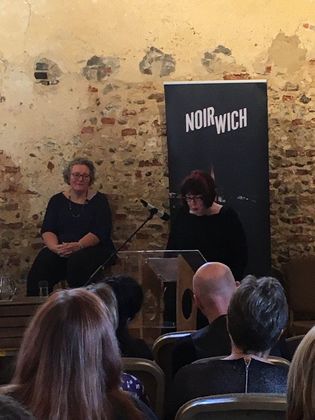
Louise reading 'Zeppelin'. Crime writer Elizabeth Haynes looks on.
The short story I wrote for Noirwich 2018 was a challenge for two reasons:
The amazing thing is that I made the final shortlist of three. That, however, presented a new challenge. I was invited to Noirwich Live where the winner would be announced by New York Times bestseller Elizabeth Haynes. Would I read my story ‘Zeppelin’ to a roomful of people, mostly complete strangers? The audience comprised fellow amateur writers, teachers of creative writing, published writers including Haynes, Merle Nygate and Andrew Hook, and most important of all, my daughter Flo and dear friend Rachel. My knees might have been trembling as I took to the floor, but I got the job done and thought about what I’d learned from the experience. Sharing takes courage Writing fiction is one thing; sharing it with others is quite another. Even tiny fiction like mine. For some of us, it takes courage, especially when massive doses of newbie impostor syndrome are flowing through one’s veins. And this is exactly how many of my author clients feel. Sometimes I’m the first person on the planet to see their work when they’re done with it. My experience enhanced my already deep respect for them, because now I know how it feels to share my fiction with others. Editing is an honour My own small venture has taught me what a privilege it is to be chosen by an author to edit for them. When they choose me or one of my colleagues, they take a leap of faith. They place trust in us to treat their words with respect and help them move forward towards their publishing goals. Fiction is intimate The nine stories I’ve written to date are really short. I’m at the beginning of my fiction writing journey. I have a lot to learn. But those stories are precious to me. Every one of them contains a bit of me, or of someone I care about, or someone or something that has made a mark on me in some way. They are not fact, but they are not completely made up either, and that infuses them with a level of intimacy. In other words, fiction writing is personal. It’s important that the fiction editor takes all of that into their editing studio and remembers it at every touchpoint of the project – an amendment, a query, a summary – and never forgets to say thank you. Further reading
Louise Harnby is a line editor, copyeditor and proofreader who specializes in working with crime, mystery, suspense and thriller writers.
She is an Advanced Professional Member of the Chartered Institute of Editing and Proofreading (CIEP), a member of ACES, a Partner Member of The Alliance of Independent Authors (ALLi), and co-hosts The Editing Podcast. Visit her business website at Louise Harnby | Fiction Editor & Proofreader, say hello on Twitter at @LouiseHarnby, connect via Facebook and LinkedIn, and check out her books and courses.
Dialogue tags – or speech tags – are what writers use to indicate which character is speaking. Their function is, for the most part, mechanical. This article is about how to use them effectively.
A dialogue tag can come before, between or after direct speech:
Placed in between direct speech, tags can moderate the pace by forcing the reader to pause, and improve the rhythm by breaking up longer chunks. Rather than give you a bunch of zombie rules that you’ll want to break about two seconds after you’ve read them, here are three guidelines to bear in mind when thinking about which tags to use, which to avoid, and when you might omit them altogether:
Why said often works best, and when it’s not enough The speech tag said ‘is a convention so firmly established that readers for the most part do not even see it. This helps to make the dialogue realistic by keeping its superstructure invisible,’ say Mittelmark and Newman in How Not to Write a Novel (p. 132). I agree, and I recommend you embrace it! If someone’s told you to avoid repeating said, head for your bookshelf and take a peek inside some of your favourite novels for reassurance. If you deliberately try to avoid said, you run the risk that your writing will reflect that intention. If your reader is focusing on your avoidance, their focus is not where it should be – on your story. Still, there will be times when you’ll want a tag that tells your reader about, say, the sound quality, the mood of the speech, or the tone of voice. Speech tags aren’t the only way to do this – for example, you could use action beats before the dialogue, or adverbial phrases after your tags – but few readers will complain if you use the likes of whispered, yelled, shouted, muttered or whined. Hissed is one that I rather like, though some writers and editors are less keen. Even though said 's invisibility makes it harder to overuse, avoid the temptation to place it after every expression. Here’s an example of how it looks when it's been overworked (see, too, the final section in this article, ‘Omitting dialogue tags’):
EXAMPLE: OVERUSE OF SAID
‘Tag it,’ he said. ‘Why?’ she said. ‘Because it’s the right thing to do,’ he said. ‘I suppose you’re right,’ she said. 'I'm glad you agree,' he said. Showy speech tags and underdeveloped dialogue Showy tags can overwhelm dialogue. Since you’ve written your dialogue for a reason, that’s where the reader’s attention should be. When the tag is more visible than the speech, it’s a red flag that the dialogue, not the tag, needs enriching:
EXAMPLE: SPEECH TAG OVERWHELMS THE DIALOGUE
‘The way he was dressed, the attack was inevitable,’ preached McCready. Instead, we might amend the dialogue so that it conveys the preaching tone, and leaves the tag (said) with the mechanical function of indicating who’s speaking:
EXAMPLE: ENRICHED DIALOGUE; SIMPLER SPEECH TAG
‘Oh, come on,’ McCready said. ‘You dress like that, you’re going to attract the weirdos. Just the way it is. He had it coming, no question.’ Showy speech tags and double-telling Some speech tags are just repetitions of what the reader already knows – they double-tell. Asked and replied are two common examples, though these are used so often that they don’t fall into the showy category. For that reason, I don’t think you need to go out of your way to avoid these, though do take care not to overuse them. Showier examples – such as opined, commanded, threatened – become redundant if you’ve got the dialogue right:
EXAMPLES: SHOWY SPEECH TAGS THAT DOUBLE-TELL
‘But it’s none of our business how Jan makes her living,’ opined Jack. ‘Stand down, soldier! That’s an order,’ the general commanded. ‘If you tell a soul what you heard here today, I swear I will kill you and everyone you have ever loved,’ Jennifer threatened. ‘That’s amazing!’ he exclaimed. In the first three examples, it’s clear from the dialogue that an opinion, a command and a threat have been given. The speech tags repeat what we already know; we should consider whether said is a less invasive alternative. In the fourth example, amazing and the exclamation mark (!) tell us that the speaker exclaimed, so again the showy tag is redundant. It’s a question of style, of course. I’m not giving you rules but suggesting ways of thinking about the function of your tagging so that you keep your reader immersed in the spaces of your choosing. Non-speech-based dialogue tags and the reality flop Even if you decide you do want a more extravagant tag than said, take care when using verbs that are not related to the mechanics of speaking. Examples include: smiled, gesticulated, ejaculated, thrusted, fawned, scowled, winced, smirked, sneered, pouted, frowned, indicated and laughed. The physicality of these verbs will jar your reader and they immediately introduce an element of inauthenticity into the prose. They’re great words for describing what other parts of a person’s body can do, but are unsuitable for use as dialogue tags:
EXAMPLES: UNSUITABLE NON-SPEECH-BASED TAGS
‘Martin, you’re not seriously going to wear that, are you?’ she laughed. 'You,' she smiled, 'are the best thing that's ever happened to me.' Try one of the following instead:
EXAMPLES: ACTION BEATS AND ADVERBS; SIMPLER OR OMITTED SPEECH TAGS
‘Martin, you’re not seriously going to wear that, are you?’ she said, laughing. [Uses laughed adverbially.] She laughed. ‘Martin, you’re not seriously going to wear that, are you?’ [Uses laughed in an action beat.] 'You' – she smiled – 'are the best thing that's ever happened to me.' [Uses smiled in a mid-sentence action beat. Note the spaced en dashes. If you were styling according to US convention you could opt for double quotation marks and closed-up em dashes.] Alternatives to showy speech tags – more on action beats Rich action beats can complement or even replace speech tags, and are useful if you want to keep your dialogue lean and are tempted to use a showy speech tag. Keep them on the same line as the speaker they’re related to. Action beats let you set the scene so that the reader can fill in the gaps with their imagination while a character is speaking. Here’s an example of dialogue with a showy speech tag – moaned:
EXAMPLE: SHOWY SPEECH TAG
‘My back teeth are killing me,’ James moaned. In the alternative below, the reader can discern the moaning manner in which the speech is delivered because James’s discomfort is shown in the action beat preceding it:
EXAMPLE: ALTERNATIVE USING ACTION BEAT
James pressed two fingers to his cheek and winced. ‘My back teeth are killing me.’ Notice how the action beat is punctuated. There’s a full stop (period) after winced. Neither of these examples is wrong or right. You might decide that you prefer one over the other. Rather, I’m showing you alternatives so that you can make informed decisions about how to make your writing engaging. Using proper nouns in dialogue tags If your fiction is gender binary (and it might well not be) and the genders are known to the reader, you needn’t repeat the speaker’s name every time they appear in a dialogue tag. You can use third-person singular pronouns: he and she. Clarity is everything here. Notice how Alexander McCall Smith uses nouns and pronouns in his dialogue tags, and peppers the text with action beats so that the reader knows who’s speaking (The No.1 Ladies’ Detective Agency, p. 125):
EXAMPLE: MIXING UP PRONOUNS AND PROPER NOUNS
Mma Ramotswe nodded her head gently. Masculine bad behaviour. ‘Men do terrible things,’ she said. ‘All wives are worried about their husbands. You are not alone.’ Mma Pekwane sighed. ‘But my husband has done a terrible thing,’ she said. ‘A very terrible thing.’ Mma Ramotswe stiffened. If Rra Pekwane had killed somebody she would have to make it quite clear that the police should be called in. She would never dream of helping anybody conceal a murderer. ‘What is this terrible thing?’ she asked. Mma Pekwane lowered her voice. ‘He has stolen a car.’ [...] Mma Ramotswe laughed. ‘Do men really think they can fool us that easily?’ she said. ‘Do they think we’re fools?’ ‘I think they do,’ said Mma Pekwane. Omitting dialogue tags If you’re confident your reader can keep track of who’s saying what in a conversation, you can omit dialogue tags altogether. Once more, it’s not about rules but about sense and clarity. This will work best if there are no more than two characters in the conversation, and even then, most writers don’t extend the omission for more than a few back-and-forths before they introduce a reminder tag or an action beat. Here’s an example from Peter Robinson’s DCI Banks novel Sleeping in the Ground (pp. 273–4). There are two characters in this scene: Banks and Linda. Robinson omits most of the dialogue tags in this conversation because it’s clear who’s speaking, but he keeps us on track with an action beat and a tag halfway through:
EXAMPLE: KEEPING THE READER ON TRACK
‘So do I,’ said Banks. After a short pause he went on. ‘Anyway, I seem to remember you told me you went to Silver Royd girls’ school in Wortley.’ ‘That’s right. Why?’ 'Does the name Wendy Vincent mean anything to you?’ ‘Yes, of course. She was the girl who was murdered when I was at school. [...] It was terrible.’ Banks looked away. He couldn’t help it, knowing the things that had happened to Linda, but she seemed unfazed. ‘That’s right,’ he said. ‘And there was something about her in the papers a couple of year ago. The fiftieth anniversary. Right?’ ‘That’s the one.’ ‘It seems a strange sort of anniversary to celebrate. A murder.’ ‘Media. What can I say? It wasn’t a [...]’ Summing up When it comes to dialogue, remember the function of the tag: to indicate which character is speaking. Says Beth Hill, ‘These tags are background, part of the mechanics of story; they meet their purpose but don’t stand out. They let the dialogue take the spotlight’ (The Magic of Fiction, p. 166). So, during the self-editing process:
Cited sources and further reading
Louise Harnby is a line editor, copyeditor and proofreader who specializes in working with crime, mystery, suspense and thriller writers.
She is an Advanced Professional Member of the Chartered Institute of Editing and Proofreading (CIEP), a member of ACES, a Partner Member of The Alliance of Independent Authors (ALLi), and co-hosts The Editing Podcast.
If you’re including authentic technical or procedural information in your crime writing, you’ll be wearing your research hat. Your story should come first, of course. However, be sure to get your facts straight before you decide if and how far you’re going to bend reality.
Procedure varies between region and country, and when your novel is set will also determine the relevance of the resources I’ve included. Still, even those outside your jurisdiction might spark an insight that drives your storyline further or deepens your characterization
Conversations, consultations and ride-alongs
My brushes with the law have been limited to bad parking. Still, I know a few coppers socially, and it’s to them I’d head for procedural guidance in the first instance. If you know a police officer, a forensic anthropologist, a crime-scene investigator, a barrister, or whatever, ask them if you can pick their brains. They’ll have expert subject knowledge and insights, and your talking with them face to face could be the most powerful tool of all. If you don’t have existing contacts, ask your friends for theirs or put a call out on social media. A writer recently requested help from munitions experts via the Alliance of Independent Authors (ALLi) Facebook group. Several commenters provided advice and one offered to put her in touch with an expert. If your book's set in the UK, try Consulting Cops or Graham Bartlett, author and crime fiction advisor. Both have teams of law-enforcement experts who'll help you keep your facts straight. Here’s crime writer Julie Heaberlin discussing the importance of researching and feeling comfortable approaching experts, especially to bring deeper layering to her novels:
‘I’m very worried about not being accurate […] because there are a lot of writers who don’t research and that’s just more misinformation out there. And I learn things myself. Standing outside the Texas Death House during an execution … it wasn’t anything like I thought it would be.’
How to Write Crime – Harry Brett in conversation with Sophie Hannah and Julia Heaberlin. Waterstones, Norwich, 2018 
In a bid to improve relations between the police service and the public, some larger forces now operate ride-along schemes that allow members of the public to patrol with an officer. In the UK, these include Avon & Somerset, Nottinghamshire, Essex, Lincolnshire, Lancashire, Humberside and Warwickshire Police.
Search online using the keywords ‘ride-along police [your country/state/city]’ and see what comes up.
Watch and read
How about TV and movies? Your favourite crime dramas and fiction might have been meticulously researched. Then again, they might not. In ‘Five Rules for Writing Thrillers’ David Morrell urges writers to do the research but to use caution:
‘You don’t need to be a physician or an attorney to write a medical thriller or a legal thriller, but it sure helps if you’ve been inside an emergency ward or a courtroom. Read non-fiction books about your topic. Interview experts. If characters shoot guns in your novel, it’s essential to fire one and realize how loud a shot can be. Plus, the smell of burned gunpowder lingers on your hands. Don’t rely on movies and television dramas for your research. Details in them are notoriously unreliable. For example, the fuel tanks of vehicles do not explode if they are shot. Nor do tires blow apart if shot with a pistol. But you frequently see this happen in films.'
Morrell talks more about how research makes him ‘a fuller person’ and how he learned to fly in order to create an authentic pilot for his book The Shimmer. The expense of a pilot’s licence will probably be out of reach for the average self-publisher. YouTube could be the solution. 
There are thousands of hours’ worth of real-life video footage on YouTube. You can learn from experts about how a body decomposes, how an autopsy is carried out, how a forensic sketch artist works, and how to clean up a crime scene.
And there are lectures on the science of blood spatter, computer forensics, investigation techniques, and forensic imaging. You name it, it’s probably there.
Use Wikipedia
Wikipedia is great for any sleuthing writer wanting to track down information about criminal procedure. Do, however, use the primary sources cited in the references to verify the information. In the online masterclass ‘How to Write a Crime Novel’ Dr Barbara Henderson recommends using at least two sources for internet-verification purposes. Here are some searches to get you started:
Security agencies

MI5 – the UK’s homeland security service
Visit the official site of MI5. There’s information on how it handles covert surveillance, communications interception, and intelligence gathering, plus a brief overview of its history since its creation in 1909. Christopher Andrew’s The Defence of the Realm is the first authorized history of the service. Published by Penguin in 2010, it’s available on Amazon and in major bookstores. Visit The National Archives and type MI5 into the search box. That will give you access to all the files that have been released into the public domain to date. National Crime Agency (UK) The NCA is tasked with protecting UK citizens from organized crime. Its website has articles and reports about cybercrime, money laundering, drugs and firearms seizure, bribery and corruption, and trafficking. I recommend looking at the NCA’s free in-depth but readable reports such as the National Strategic Assessment of Serious and Organised Crime 2018, which outlines threats, vulnerabilities, the impact of technology, and response strategies. MI6 (SIS) – the UK’s secret intelligence service Visit the official website of the SIS to find out how it handles overseas intelligence gathering and covert operations. There’s a brief overview of the service’s history and some vignettes that illustrate how intelligence officers operate. Keith Jeffery’s MI6: The History of the Secret Intelligence Service 1909–1949 is ‘the first – and only – history of the Secret Intelligence Service, written with full and unrestricted access to the closed archives of the Service for the period 1909–1949’. If you want historical information, this is a good place to start. GCHQ – Government Communications Headquarters (UK) The GCHQ website is worth visiting just to see the building from which it operates in Cheltenham! There’s an overview of GCHQ history, operations, its various operational bases, and how it works with Britain’s other security services to manage global threats. For a more in-depth study of the service, start with Richard Aldrich’s GCHQ: The Uncensored Story of Britain's Most Secret Intelligence Agency. FBI – Federal Bureau of Investigation (USA) The FBI’s website is packed with the usual overview material of how and why, but I think the go-to resources are the likes of the free Handbook of Forensic Services, the Terrorist Explosive Device Analytical Center (TEDAC) page, and the training guidance. The easiest way to navigate around the site is to head to the FBI home page and scroll down to the links in the footer. NSA – National Security Agency The NSA website is the place to go for twenty-first-century code-breaking information, and there’s a ton of information about cybersecurity and intelligence. Head for the Publications section to get free access to The Next Wave and various research papers. The material is dense but could be just the ticket for building backstories for cybergeek characters. 
Police forces
Michael O'Byrne is a former police officer who worked in Hong Kong, and later with the Metropolitan Police (sometimes referred to as New Scotland Yard). Try the second edition of his Crime Writer's Guide to Police Practice and Procedure. INTERPOL This is the world’s largest police force with nearly 200 member countries. The Expertise section of its website is rammed with useful and readable information on procedure, technical tools, investigative skills, officer training, fugitive investigations, border management and more. UK police forces Police procedure will vary depending on where you live. You can access a list of all UK police force websites here: Police forces, including the British Transport Police, the Central Motorway Policing Group, the Civil Nuclear Constabulary, the Ministry of Defence Police and the Port of Dover Police An Garda Síochána – Ireland’s national police and security service The easiest way to navigate the Garda’s website is to head for the home page and scroll down to the sitemap at the bottom. There you’ll find links to information on policing principles, organizational structure, and the history of the service. The Crime section is particularly strong on terminology and procedure. Legal resources Lawtons Solicitors’ website has an excellent Knowledge Centre filled with articles on parliamentary acts, offences, criminal charges and police procedure. What are the drug classifications in the UK? and Police Station interviews are just two examples. Ann Rule’s advice on attending trials is aimed at true-crime writers, but you could use the guidance for fictional inspiration: Breaking Into True Crime: Ann Rule’s 9 Tips for Studying Courtroom Trials. Crown Prosecution Service (UK): The Crown Prosecution Service (CPS) website provides detailed prosecution guidance for criminal justice professionals. It is extremely dense, and so it should be; it wasn’t designed for novelists! See, for example, the section on Core Foundation Principles for Forensic Science Providers: DNA-17 Profiling. Still, there’s a wealth of information there for those prepared to wade through it. Department of Justice (USA): The DOJ site offers guidance on the role of the Attorney General, the organizational structure of the department, lots of statistical information, and maps of federal facilities.
Forensics resources

Historical crime writing resources
Weapons research
I hope you find these resources useful. I’ve barely been able to scratch the surface, not least because I’m busy trying to book a ride-along with my local bobby! While I sort that out, here’s some wise advice from David Morrell:
‘The point isn’t to overload your book with tedious facts. Rather, your objective is to avoid mistakes that distract readers from your story. If you’ve done your research, readers will sense the truth of your story’s background. In addition, the topic should interest you so much that the research is a joy, not a burden.'
Louise Harnby is a line editor, copyeditor and proofreader who specializes in working with crime, mystery, suspense and thriller writers.
She is an Advanced Professional Member of the Chartered Institute of Editing and Proofreading (CIEP), a member of ACES, a Partner Member of The Alliance of Independent Authors (ALLi), and co-hosts The Editing Podcast. Visit her business website at Louise Harnby | Fiction Editor & Proofreader, say hello on Twitter at @LouiseHarnby, connect via Facebook and LinkedIn, and check out her books and courses.
Some crime writers are planners. Some are pantsers (so called because they fly by the seat of their pants). Neither is better than the other. What matters is that the method you choose to write your story works for you and results in a tale well told.
Being either a planner or a pantser won’t determine whether you sell lots of books. A story that makes sense – one that reads as if you had carefully planned it – is what’s key to creating an experience that readers will relish.
So what do some of the big-name crime writers have to say on the matter? What’s right for you? ‘The more I talk to other crime writers the more I start to become fairly sure that for each writer there is an ideal way, but there isn’t one ideal way,’ says Sophie Hannah. I think I’ve read everything Harlan Coben’s ever written. If I haven’t, it’s waiting in the pile or on the Kindle. If you’d asked me, I’d have marked him as a planner. His stories hang together so well; he ties up every loose end. And I always have that ‘Ah, that’s what happened’ moment. But in fact, Coben’s a pantser:
'I don’t outline. I usually know the ending before I start. I know very little about what happens in between. It’s like driving from New Jersey to California. I may go Route 80, I may go via the Straits of Magellan or stopover in Tokyo … but I’ll end up in California.'
Maybe you’re like him or Julia Heaberlin:
‘I start with just a fragment of a thought in my head. I don’t outline at all. I have no idea where the book is going.'
Or perhaps you’re like Susan Spann:
‘My novels start with an outline, and that outline starts with the murder – even when the killing happens before the start of the book.'
Or Hannah:
‘When I start writing chapter 1, I have a 90–100-page plan … kind of like a list of ingredients of what needs to happen in each chapter. And I don’t write it well. I don’t write it elegantly. It could be written by a robot […] but everything necessary for that chapter, whether it’s a murder or a snide glance, is included in that plan.'
To help you decide whether to plan or pants, consider the following:

Planning and creativity
Some writers fear that planning will mute their creativity and the process of discovery. The following excerpt is from an article from the NY Book Editors blog:
‘For writers striving to create something unique and surprising, the kind of work that will grab the attention of agents and editors, the thorough plotting and planning can be a matter of life and death. By that, I mean that planning your novel ahead of time increases its likelihood of being dead on arrival. […] When writers engage in extensive pre-writing in the form of outlines and character sketches, we change the job of the writing we’re preparing to do. All of a sudden our role becomes that of the translator.'
Heaberlin feels that surrendering control to her characters is essential to the creative unfolding of her stories:
‘I let the characters kind of take me wherever they want me to go. It sounds a little precious but that’s what happens. The plot evolves through the characters telling me what’s going to happen next.'
However, passionate planners feel differently. Their plans are as much a form of artistry as the actual writing. Here’s Hannah on how a plan needn’t thwart spontaneity:
‘Plot and character are not rivals – they’re co-conspirators […] The biggest lie uttered by writers about planning is that it somehow limits or stifles creativity. This is absolutely untrue. Planners simply divide their writing process into two equally important and creative stages: story architecture, and actual writing. Both are fun. And yes, of course you can make as many changes as you want when you come to write the book – I’ve changed characters, endings, plot strands, everything very spontaneously, even with my plan at my side, when it’s felt like the right thing to do.'

Time frame and process
Some authors write multiple drafts to ensure the book’s plot works. That slows down the process. Hannah’s detailed planning approach means her first draft works; she’s already identified where the problems are before she gets started on the actual writing process.
‘A lot of the thriller-writers I know who turn up their noses at planning end up writing four or five drafts of their novel before they’re happy with it. You might want to do that – in which case, you should do it! – but if you’d like to spend one year writing a book rather than five, planning is the way forward.'
Jeffery Deaver concurs:
‘I plan everything out ahead of time. I work very hard to do that. Part of that is planning each subplot – I call it choreographing the plots. I start with a post-it note. I put it in the upper left-hand corner [of my whiteboard] and that’s my opening scene. And then I start to fill in post-it notes throughout the whiteboard. Then I come up with a big idea for the twist, and that goes in the lower right-hand corner. And if that’s going to be a legitimate twist, that means planting clues.'
He then walks around talking to himself, deciding where on the whiteboard the clues need to go so that the main plot and various subplots will work. And if he finds that a clue won’t work in a particular place because, say, character X doesn’t know Y yet, he moves the post-it note. It’s an eight-month process but once it’s done, ‘writing comes quickly’. Still, don’t get too comfy! Andy Martin spent the best part of 12 months in the company of Lee Child as he wrote Make Me:
‘Even before he had written the first sentence, he turned to me and said: “This is not the first draft, you know.” “Oh – what is it then?” I asked naively. “It’s the ONLY DRAFT!” he replied.'
Which just goes to show that being a pantser doesn’t necessarily mean being a slow writer. 
Does the plot work?
If you’re a pantser, the idea of finding yourself stuck in a hole after months of writing might not terrify you. Lee Child doesn’t let it stop him.
Says Henry Sutton, ‘When, for instance, [Child] hits a cul-de-sac, say his character – Reacher – might be at the point of an impossible situation to get out of, rather than go back and think, “Right, I’ve written too far. I need to delete that chapter or even the chapter before that”, he will think of a way of him actually surmounting that obstacle and then push him on.'
In an interview with Harry Brett, Heaberlin acknowledges the need for third-party assistance to fill in the gaps and polish her stories:
‘In Black-Eyed Susans I did know I wanted to write about mitochondrial DNA but it wasn’t actually until two thirds of the way through that book that I knew I wanted to write about the death penalty! […] At the end, my book is not perfect, not well-crafted. Mine have all these loose ends and so I work with an editor to kind of tidy up. But I also don’t like everything to be answered always, kind of like in real life.'
Contrast that approach with those of these two planners:
Deaver: ‘I know what I’m going to write. In the case of The Cutting Edge, … I knew where all of the subplots went, I knew where the clues were introduced, I knew where the characters entered the book and when they left. […] When I do the outline, I can see whether the book is going to work or not. And if it isn’t going to work then I can just line up the post-it notes and start over [whereas] it can be a very difficult process to start writing and come to page 200 and not know where that book’s going to go.’
Hannah: ‘Without a start-to-finish plan of what’s going to happen in my novel, I don’t know for certain that the idea is viable. It’s by writing a chapter-by-chapter, scene-by-scene synopsis that I put this to the test. I’d hate to invest years or even months in an idea I suspected was great, and then get to where the denouement should be and find myself thinking, “Yikes! I can’t think of a decent ending!”’ What kind of writer are you? In an interview with Henry Sutton in May 2018, Deaver discussed how planning can help the non-linear writer:
‘Writing for me can be very difficult at times. And I have found that doing the outline allows me, since I know the entire schematic of the book, to write the beginning at the end, or the end at the beginning […] So I go to the outline and think: Today I’m supposed to be writing a vicious murder scene but the sun’s out, the birds are singing, and I don’t feel like it. I save it for those days when the cable guy who’s supposed to be coming at 8 in the morning doesn’t show up until 4 and I’m in a bad mood! I can jump around a bit.'
So Deaver’s method allows him to concentrate on telling the part of the story he wants to tell when he wants to tell it. For every writer who frets at the thought of not knowing where they’re going, there’s another for whom that’s a thrill. Child is a linear writer, and Zachary Petit thinks that ‘very well may be the key to his sharp, bestselling prose’.
'When he’s crafting his books, Child doesn’t know the answer to his question, and he writes scene by scene – he’s just trying to answer the question as he goes through, and he keeps throwing different complications in that he’ll figure out later.’
If you too enjoy sharing the rollercoaster ride with your protagonist, pantsing could be the best way for you to tell your story. If not, detailed planning might suit you better. 
Clue planting Spann has a two-handed strategy for planning. And it’s all to do with the clues. The first outline – the one that will determine what she writes – needn’t be particularly detailed. It’s a map of each scene, and each clue, that enables her to keep her sleuth on track. Just as important, however, is the other outline:
‘A secret outline, for your eyes alone. This one tracks the offstage action – what those lying suspects were really doing, and when, and why. The “secret outline” lets you know which clues to plant, and where, and keeps the lies from jamming up the story’s moving parts.'
I like her on- and offstage approach, and I think it’s particularly worth bearing in mind if you’re a self-publisher who’s not going to be commissioning developmental or structural editing. What you don’t want is to go straight to working with a line or copyeditor and have them tell you your clues don’t make sense, because you’d be paying them to paint your walls even though there are still large cracks in the plasterwork. That offstage outline could help you to complete the build before you start tidying up. 
The importance of structure
One thing’s for sure: whether you choose to plan or pants your way through the process, put structure front and centre. Recall my comment above about how Coben always leaves me feeling like he must have had everything worked out from the outset. That’s because however he gets from A to B, he understands structure. Pantsing isn’t about ignoring structure, but about shifting the order of play. Says Deaver:
‘[Lee Child and I] both structure our books. I just do it first. I run into those same roadblocks. And maybe for me it’s a little post-it note […] But the work has to be done somewhere. Any book should be about structure as much as fine stylistic prose.'
And here’s domestic noir author Julia Crouch to wrap things up for us:
‘There is a reason that screenwriting gurus bang on about the three-act structure – setup, confrontation and resolution – and that’s because it works. If you have any storytelling bones in you at all, you will more than likely, even subconsciously, end up with a structure like this. But it’s helpful to bear it in mind and, whether you structure beforehand (as a plotter), or after (as a pantser), run your plot through that mill.'
Good luck with your planning or pantsing! Further reading
Louise Harnby is a line editor, copyeditor and proofreader who specializes in working with crime, mystery, suspense and thriller writers.
She is an Advanced Professional Member of the Chartered Institute of Editing and Proofreading (CIEP), a member of ACES, a Partner Member of The Alliance of Independent Authors (ALLi), and co-hosts The Editing Podcast. Visit her business website at Louise Harnby | Fiction Editor & Proofreader, say hello on Twitter at @LouiseHarnby, connect via Facebook and LinkedIn, and check out her books and courses.
Are you using free indirect speech in your writing? This article provides an overview of what it is and how it can spice up crime fiction.
This post featured in Joel Friedlander's Carnival of the Indies #94
What is free indirect speech?
In a nutshell, free indirect speech offers the essence of first-person dialogue or thought but through a third-person viewpoint. The character’s voice takes the lead, but without the clutter of speech marks, speech tags, italic, or other devices to indicate who’s thinking or saying what. It’s a useful tool to have in your sentence-level toolbox because:
The table below shows three contrasting third-person narrative styles in action so you can see how free indirect speech works:
It’s also referred to as free indirect style and free indirect discourse.
1. Flexibility and interest Free indirect speech (FIS) is flexible because it can be blended seamlessly with other third-person narrative styles. Let’s say you want to convey information about a character’s physical description, their experiences, and their thoughts – what they think and delivered in the way they’d say it. You could use third-person objective for the description, third-person limited for the experience, and free indirect speech for some of the thought processes. In other words, you have a single narrative viewpoint but styled in different ways. You’re not changing the viewpoint, but rather shifting the distance between the reader and the character. And that can make your prose more interesting. Here’s an example from Val McDermid’s Insidious Intent (p. 14). She begins with a more distant third-person narrator who reports what had been on Elinor Blessing’s mind, and when. Then she shifts to free indirect speech (the bold text). This gives us temporary access to Blessing’s innermost thoughts – her irritation – and her lightly sweary tone, but still in the third-person:
Philip Prowse employs a similar shift in Hellyer’s Trip (p. 194):
2. A leaner narrative FIS is a useful tool when you want to declutter. Direct speech and thoughts are often tagged so that the reader knows who’s speaking/thinking:
With regard to thoughts, there’s nothing wrong with a reader being told that a character thought this or wondered that, but tagging can be interruptive and render your prose overworked and laboured if that’s the only device you use. Imagine your viewpoint character’s in a tight spot – a fight scene with an arch enemy. The pace of the action is lightning quick and you want that to be reflected in how your viewpoint character experiences the scene. FIS enables you to ditch the tags, focus on what’s going on in the character’s head, and maintain a cracking pace. The opening chapter of Stephen Lloyd Jones’s The Silenced contains numerous examples of free indirect speech dotted about. Mallory is being hunted by the bad guys. She’s already disarmed one in a violent confrontation and fears more are on the way. Jones keeps the tension high by splintering descriptions of step-by-step action with free-indirect-styled insights into his protagonist’s deepest thought processes as, ridden with terror, she tries to find a way out of her predicament:
Here’s an excerpt from Lee Child’s The Hard Way (p. 64). Child doesn’t use FIS to close the narrative distance. Instead, he opts to shift into first-person thoughts. Reacher is wondering if he’s been made, and whether it matters:
Some might argue that this is a little clunkier than going down the FIS route, but perhaps he wanted to retain a sense of Reacher’s clinical, military-style dissection of the problem in hand. If Child had elected to use FIS, it might have looked like this: Had they seen him? Of course they had. Close to certainty. The mugger saw him – that’s for damn sure. And those other guys were smarter than any mugger. [...] But had they been worried? No, they’d seen a professional opportunity. That’s all. It’s a good reminder that choice of narrative style isn’t about right or wrong but about intention – what works for your writing and your character in a particular situation. 3. Deeper insight into characters A third-person narrator is the bridge between the character and the reader. As such, it has its own voice. If there’s more than one viewpoint character in your novel, we can learn what we need to know via a narrator but the voice will not be the same as when the characters are speaking in the first person. FIS allows the reader to stay in third-person but access a character’s intimate world view and their voice. It closes the distance between the reader and the character because the bridging narrator is pushed to the side, but only temporarily. That temporary pushing-aside means the writer isn’t bound to the character’s voice, state of mind and internal processing. When the narrator takes up its role once more, the reader takes a step back. Furthermore, there might be times when we need to hear that character’s voice but the spoken word would seem unnatural:
FIS therefore allows a character to speak without speech – a silent voice, if you like. Think about transgressor narratives in particular. If you want to give your readers intimate insights into a perpetrator’s pathology and motivations, but are writing in the third-person, FIS could be just the ticket. Here’s an example from Harlan Coben’s Stay Close (chapter 25). Ken and his partner Barbie are a murderous couple bound together by sadism and psychopathy. Ken is preparing for the capture and torture of a police officer whom he believes is a threat:
This excerpt is from an audiobook. While listening, I could hear how the voice artist, Nick Landrum, used pitch to shift narrative distance. The book’s entire narrative is in the third-person, but Landrum used a higher pitch when presenting the narrator voice. Ken’s dialogue, however, is in a lower pitch, and so is the free indirect speech of this character – we get to hear the essence of Ken even when he’s not speaking out loud. If you’re considering turning your novel into an audiobook, FIS could enrich the emotionality of the telling, and the connection with your listener. A closer look at narrative distance To decide whether to play with free indirect speech, consider narrative distance and the impact it can have on a scene. Look at these short paragraphs, all of which convey the same information. All are grammatically correct but the reader’s experience is different because of the way in which the information is given, and by whom.
Your choice will depend on your intention. Think about your character, their personality, the situation they’re in, which emotions they’re experiencing, and the degree to which you want your reader to intimately connect with them.
Consider the following examples in relation to the table above:
Wrapping up FIS is used across genres, but I think it’s a particularly effective tool in crime writing because of its ability to simultaneously embrace brevity and communicate intimacy. Jon Gingerich sums up as follows: ‘Free Indirect Discourse takes advantage of the biggest asset a first-person P.O.V. has (access) and combines it with the single best benefit of a third-person narrative (reliability). It allows the narrator to dig deep into a character’s thoughts and emotions without being permanently tied to that person’s P.O.V. Done correctly, it can offer the best of both worlds.’ If you haven’t yet played with it, give it a go, especially if you’re looking for ways to trim the fat. Further reading
Louise Harnby is a line editor, copyeditor and proofreader who specializes in working with crime, mystery, suspense and thriller writers.
She is an Advanced Professional Member of the Chartered Institute of Editing and Proofreading (CIEP), a member of ACES, a Partner Member of The Alliance of Independent Authors (ALLi), and co-hosts The Editing Podcast. Visit her business website at Louise Harnby | Fiction Editor & Proofreader, say hello on Twitter at @LouiseHarnby, connect via Facebook and LinkedIn, and check out her books and courses. |
PDF MARKUP
AUTHOR RESOURCES
EDITOR RESOURCES
TESTIMONIALSDare Rogers'Louise uses her expertise to hone a story until it's razor sharp, while still allowing the author’s voice to remain dominant.'Jeff Carson'I wholeheartedly recommend her services ... Just don’t hire her when I need her.'J B Turner'Sincere thanks for a beautiful and elegant piece of work. First class.'Ayshe Gemedzhy'What makes her stand out and shine is her ability to immerse herself in your story.'Salt Publishing'A million thanks – your mark-up is perfect, as always.'CATEGORIES
All
ARCHIVES
April 2024
|
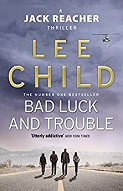
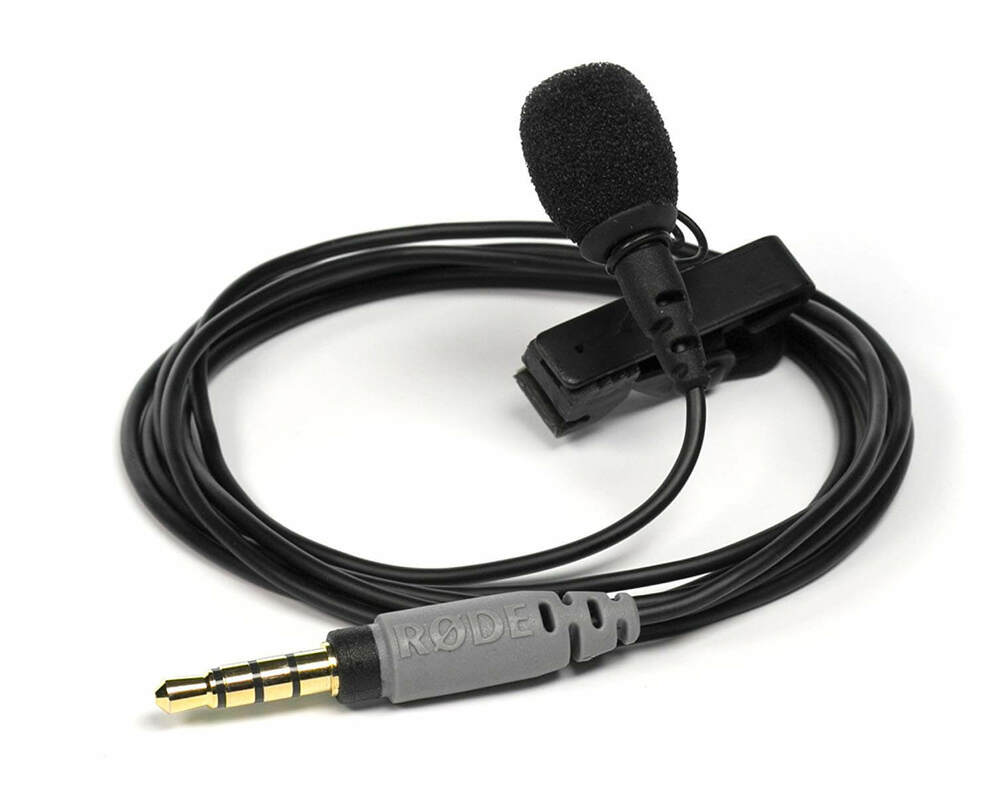
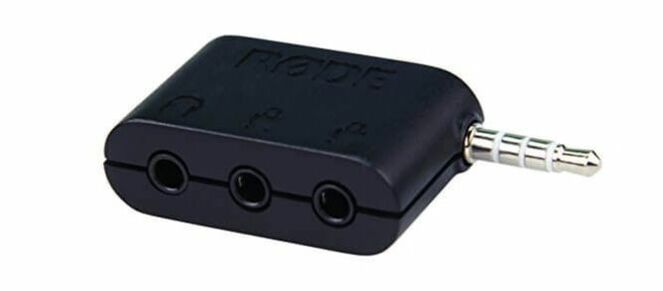

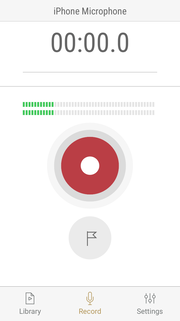

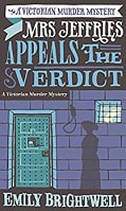
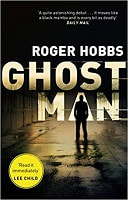
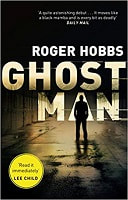
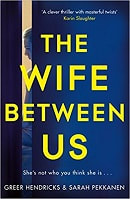
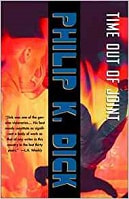
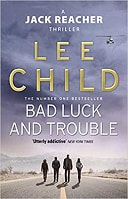
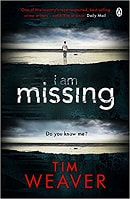
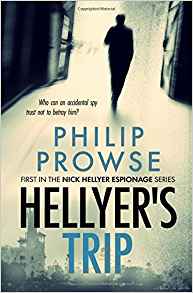
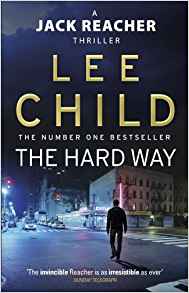

 RSS Feed
 |

|

|

|

|
|
|
|

© 2011–2024 Louise Harnby